Understanding Outdoor Shades
What Are Outdoor Shades?
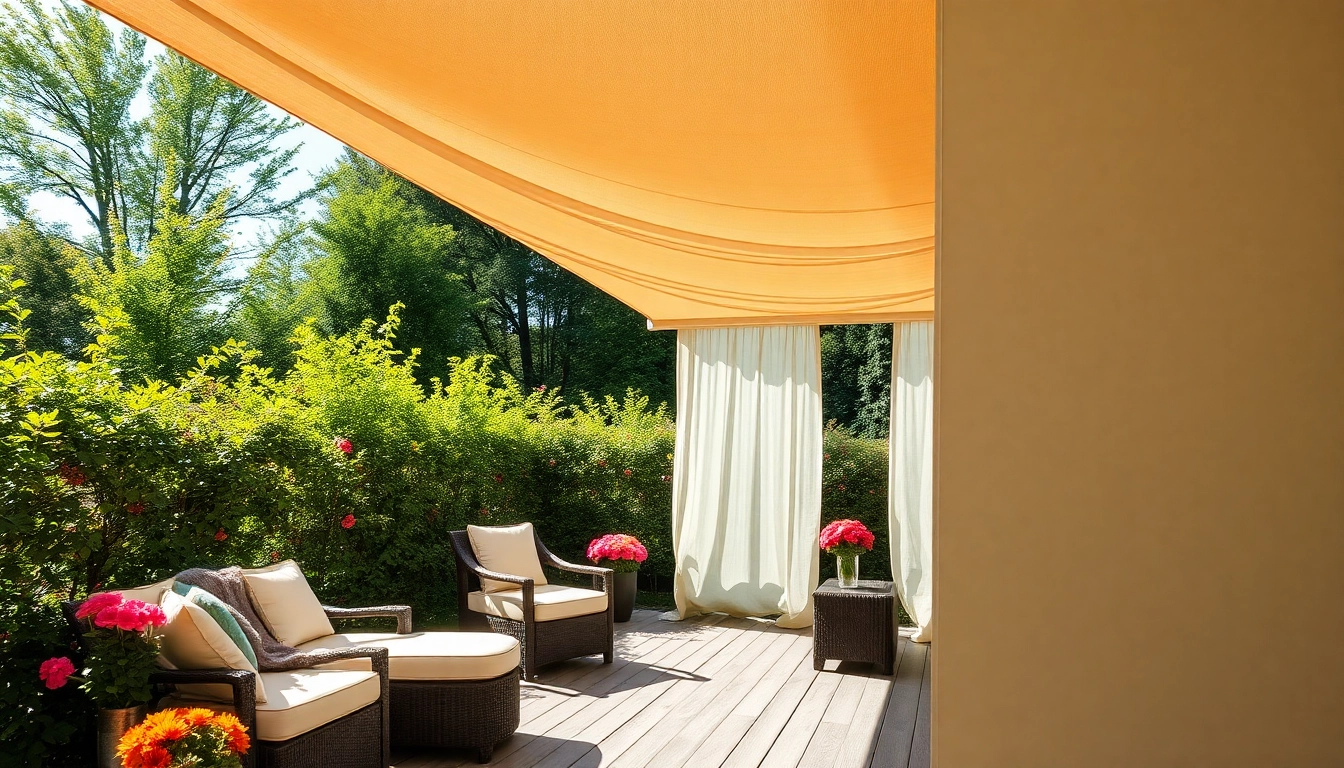
Outdoor shades are specially designed coverings that provide protection from sunlight, rain, and wind while enhancing the aesthetic appeal of outdoor spaces. They come in various types, including roller shades, vertical blinds, and retractable awnings, tailored to fit patios, porches, decks, and balconies. These shades are typically made from durable materials that withstand outdoor elements, giving homeowners the comfort they need while enjoying their outdoor areas.
Benefits of Using Outdoor Shades
Utilizing Outdoor Shades serves multiple purposes. Here are some significant benefits:
- Temperature Regulation: Outdoor shades effectively block sunlight, keeping outdoor areas cooler and more comfortable.
- UV Protection: They shield your skin and furniture from harmful UV rays, reducing the risk of sunburn and fading.
- Enhanced Privacy: Outdoor shades can obstruct the view from outsiders while allowing you to enjoy your space without prying eyes.
- Weather Protection: They provide a barrier against rain and wind, allowing for extended use of outdoor spaces.
- Aesthetic Appeal: Available in various styles and colors, outdoor shades can enhance the look of your outdoor space, making it more inviting.
Materials Used for Outdoor Shades
Outdoor shades are manufactured using several different materials, each offering unique characteristics. Here are some common materials:
- High-Density Polyethylene (HDPE): Known for UV resistance and durability, HDPE fabric can withstand harsh weather while providing excellent shade.
- Vinyl: This material is waterproof and easy to clean, making it ideal for outdoor environments. It comes in various colors and patterns.
- Acrylic: Often used in awnings, acrylic fabrics resist fading and offer a soft appearance. They are ideal for those desiring elegance along with function.
- Mesh: This breathable material allows air to pass through while still providing shade. Mesh is excellent for windy locations.
Choosing the Right Outdoor Shades
Factors to Consider When Selecting Outdoor Shades
When selecting outdoor shades, several factors are crucial for ensuring you choose the best options for your needs:
- Size and Fit: Measure your outdoor area accurately to choose shades that fit perfectly.
- Style: Consider the overall design and aesthetics of your outdoor space when selecting shades to ensure a complementary look.
- Functionality: Determine whether you need shades for strictly sun protection, complete privacy, or as a barrier against rain and wind.
- Material: Select materials that best suit your climate conditions and the maintenance level you are willing to commit to.
- Budget: Establish a budget inclusive of both the purchase and installation costs before making your selection.
Customizing Outdoor Shades for Your Space
Customization is key in achieving the perfect fit and style for your outdoor shades. Many manufacturers offer options to tailor shades:
- Color Choices: Select colors that match or complement your exterior decor.
- Pattern Options: Explore different patterns that reflect your style or enhance your outdoor theme.
- Control Mechanisms: Choose between manual and motorized options to suit your convenience needs.
- Installation Type: Consider built-in, free-hanging, or retractable options depending on your preferences.
Popular Outdoor Shades Designs
Some popular designs to consider include:
- Roller Shades: Ideal for simple, effective coverage, roller shades can be easily rolled up when not in use.
- Retractable Awnings: Great for patios, these shades can be extended or retracted as needed.
- Vertical Blinds: Perfect for large openings or sliding doors, these shades offer flexibility and wide coverage.
- Fixed Canopies: Provide permanent sun protection and can enhance the structural elegance of your space.
- Motorized Shades: Offers convenience with remote controls or smart home integration for heightened accessibility.
Installing Outdoor Shades
Essential Tools for Installation
Before beginning the installation of outdoor shades, ensure you have the following tools ready:
- Measuring tape for accurate measurements
- Level to check for straight installation
- Drill and drill bits suitable for the material of your home
- Screws and anchors necessary for securing shades
- Pencil for marking locations
- Utility knife for cutting materials if necessary
Step-by-Step Installation Guide
Follow these steps to install your outdoor shades effectively:
- Measure: Use your measuring tape to determine where the shades will be installed. Measure both the width and height accurately.
- Mark Location: Use a pencil to mark the exact spots where you will drill, ensuring your measurements are level and equal on both sides.
- Drill Holes: Using the drill, create holes based on your markings and insert anchors if required.
- Attach Mounting Brackets: Secure the mounting brackets to the wall or ceiling using screws, ensuring they are level.
- Install Shades: Follow the manufacturer’s instructions to attach the shades to the brackets securely.
- Test Mechanism: If using motorized shades, check the functionality by testing the control systems thoroughly.
Common Installation Mistakes to Avoid
Awareness of common installation flaws can save time and money:
- Inaccurate Measurements: Always double-check your measurements before cutting or drilling.
- Poor Leveling: Ensure the brackets are perfectly level, as uneven installations can cause issues with operation.
- Ignoring Manufacturer Instructions: Always refer to the installation manual provided, as products can vary significantly.
- Inadequate Securement: Ensure all screws and anchors are tightly secured to prevent failure during use.
Maintaining Your Outdoor Shades
Cleaning and Care Tips for Outdoor Shades
Regular maintenance will prolong the lifespan of your outdoor shades. Here are some essential cleaning tips:
- Dusting: Regularly dust shades with a soft cloth or brush to remove dirt and debris.
- Gentle Washing: Use mild soap and water for deeper cleaning. Avoid harsh chemicals that can degrade materials.
- Inspection: Frequently check for any signs of damage or wear and address them promptly.
Protecting Outdoor Shades from the Elements
To safeguard your outdoor shades against harsh weather conditions:
- Consider retractable options for quick adjustments during storms.
- Use protective covers during off-seasons or non-use periods.
- Select materials resistant to mold, mildew, and UV exposure for longevity.
When to Replace Your Outdoor Shades
It may be time to replace your outdoor shades if:
- They show significant signs of wear, including tears, fading, or physical damage.
- Functionality is compromised, such as difficulty in operation.
- The material has degraded, failing to provide the necessary protection.
FAQs About Outdoor Shades
What materials are best for outdoor shades?
High-Density Polyethylene (HDPE) is durable with excellent UV protection, while vinyl and acrylic offer good waterproofing and aesthetic options. Choose based on climate and desired maintenance.
How can I ensure my outdoor shades are durable?
Select materials specifically designed for outdoor use, maintain regular cleaning, and protect shades from harsh weather when not in use to ensure their longevity.
What are the best designs for outdoor shades?
Popular designs include roller shades for easy use, retractable awnings for versatility, and vertical blinds for larger openings. Choose based on functionality and aesthetics.
Can outdoor shades be customized?
Yes, many manufacturers offer options to customize shades, including color, material, and size to fit your outdoor area’s specific requirements.
What tools are needed for installing outdoor shades?
Essential tools include a measuring tape, drill, screws, level, pencils for marking, and utility knives for cutting materials if needed during installation.