Understanding LVP Flooring
What is LVP Flooring?
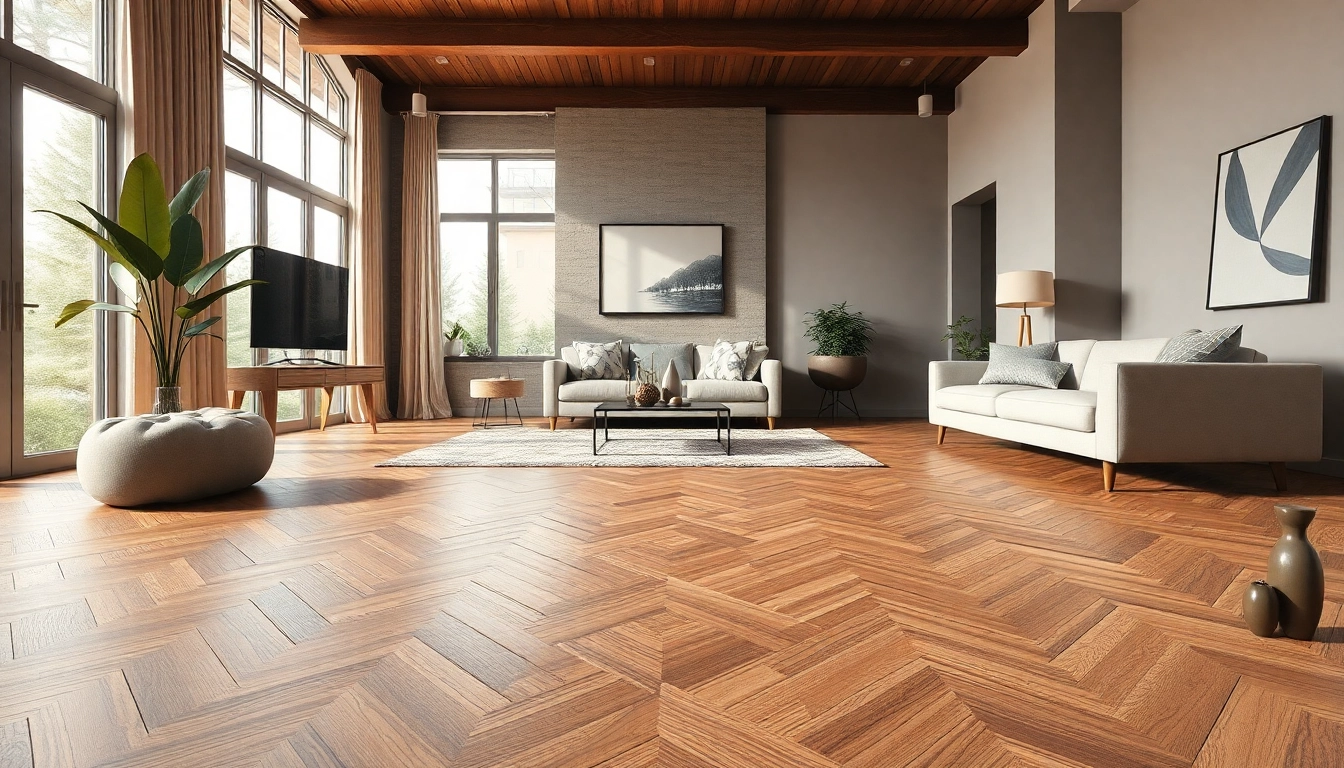
Luxury Vinyl Plank (LVP) flooring is a type of resilient flooring that mimics the appearance of natural wood or stone while providing exceptional durability and affordability. Composed of multiple layers, LVP flooring typically includes a wear layer, a print layer, a core layer, and a backing layer. This construction helps it withstand heavy foot traffic, moisture, and other mechanical stresses, making it a popular choice for both residential and commercial settings. Many homeowners and designers appreciate how lvp flooring seamlessly integrates into diverse design aesthetics.
Key Benefits of LVP Flooring
- Durability: LVP is resistant to scratches, dents, and stains, making it perfect for busy households and commercial spaces.
- Moisture Resistance: Unlike hardwood, LVP can be installed in areas prone to moisture, such as bathrooms and basements.
- Easy Installation: Most LVP comes in a click-lock format, facilitating a straightforward installation process, whether DIY or professional.
- Low Maintenance: Routine cleaning requires only basic sweeping and occasional mopping, offering a practical solution for busy lifestyles.
- Variety of Styles: Available in numerous designs, colors, and textures, LVP flooring can complement any home decor.
Difference Between LVP and Other Flooring Types
The primary distinction between LVP and other popular flooring options, like hardwood or tile, lies in its material composition and versatility. Unlike hardwood, LVP is impervious to water and humidity, making it a suitable contender for areas that experience moisture. In contrast to ceramic tiles, LVP offers a warmer feel underfoot and is less prone to chipping. Furthermore, LVP typically has a more affordable price point than both hardwood and natural stone options, making it an economical choice for families looking to enhance their living spaces without breaking the bank.
Choosing the Right LVP Flooring
Factors to Consider When Selecting LVP Flooring
When selecting LVP flooring, several factors play a crucial role in ensuring that you make the right choice for your space. First, consider the room’s function and traffic levels. For high-traffic areas, opt for thicker wear layers or more robust planks. Second, evaluate your budget. LVP ranges significantly in price, largely based on its manufacturing quality and design attributes. Finally, check the warranty provided by manufacturers, as this can indicate the confidence they have in their product’s durability and performance.
Understanding Texture and Patterns in LVP Flooring
Texture and patterns are vital for the overall aesthetic of LVP flooring. Textured finishes not only enhance realism, mimicking the feel of wood grain or stone, but they can also help with slip resistance. When considering patterns, there’s a broad spectrum of options from traditional to modern, geometric to organic designs. Choosing the right texture and pattern is essential as it will affect how the flooring integrates with other elements in your décor.
Color Coordination for Your Interior Design
The color and style of your LVP flooring can anchor your room’s overall design aesthetic. Lighter shades, such as blonde or grey tones, can make spaces feel larger and more open, while darker hues, like espresso or walnut, create warmth and intimacy. It’s important to consider existing fixtures—walls, cabinetry, and furniture—when selecting a color to ensure cohesion. Test samples against these elements in natural light to assess how the colors will interact over time.
Installation of LVP Flooring
DIY vs Professional Installation: Which is Best?
Deciding between DIY installation and hiring a professional often depends on your skill level and the complexity of the project. DIY offers cost savings and a sense of accomplishment, but it requires a certain level of proficiency and time investment. Conversely, hiring a professional guarantees expertise and often a quicker turnaround. If your installation involves intricate cutting or requires specific underlayment, it may be beneficial to opt for professional help to ensure a seamless finish.
Step-by-step Guide to Installing LVP Flooring
- Preparation: Begin by removing the old flooring and ensuring the subfloor is clean, dry, and level.
- Acclimating the Planks: Allow LVP planks to acclimate in the installation area for 48 hours to minimize expansion or contractions post-installation.
- Installing Underlayment: If required, roll out an appropriate underlayment for sound absorption and moisture protection.
- Plank Installation: Start in the corner of the room, placing the first plank and following the manufacturer’s instructions for locking the planks together.
- Finishing Touches: Trim excess material and install baseboards to cover seams and provide a polished look.
Common Installation Mistakes to Avoid
One common mistake during installation is neglecting to acclimate LVP planks; doing so can result in warping or shrinking. Additionally, failing to level the subfloor may lead to uneven surfaces that can compromise durability. Always ensure to leave an expansion gap along walls to accommodate natural movements in the flooring. Another mistake is rushing through the installation process—taking the time to ensure proper alignment and fitting will enhance the overall finish.
Maintenance and Care for LVP Flooring
Routine Cleaning Tips for Longevity
Maintaining LVP flooring is relatively simple. Regular sweeping or vacuuming will help eliminate dirt and grit that could scratch the surface. For deeper cleans, damp mopping with a manufacturer-recommended cleaner will keep your floors shining. Avoid abrasive cleaners and tools that could damage the finish. Implementing a cleaning schedule based on traffic levels will contribute to the longevity of the LVP flooring.
Protecting Your LVP Flooring from Damage
To further protect your LVP flooring, consider placing mats or area rugs in high-traffic zones and entryways to catch dirt and moisture. Furniture pads can prevent heavy items from scratching or denting the surface. Additionally, avoid dragging furniture across the floor; use sliders to reposition large items easily without causing damage.
Special Considerations for High-Traffic Areas
In high-traffic areas, you may want to choose thicker wear-layer options to enhance durability. Consider matte finishes, as they tend to hide scratches better than glossy surfaces. Regular cleaning and maintenance will be essential for keeping your flooring looking new; spills should be cleaned immediately to prevent staining. Finally, keep an eye on baseboards and corners, as these areas can often show signs of wear more quickly.
Frequently Asked Questions about LVP Flooring
Is LVP Flooring Waterproof?
Yes, LVP flooring is designed to be waterproof, making it suitable for areas like bathrooms and basements where moisture can be an issue.
How Long Does LVP Flooring Last?
With proper maintenance, LVP flooring can last anywhere from 15 to 25 years, and some high-quality products may exceed that lifespan.
Can I Install LVP Flooring Over Existing Floors?
In most cases, you can install LVP flooring over existing floors, provided they are level and securely attached. Always check the manufacturer’s guidelines.
Is LVP Flooring Eco-Friendly?
Many LVP products are made from recyclable materials, and some manufacturers adhere to eco-friendly production practices, making them a more sustainable flooring choice.
How to Repair Damaged LVP Flooring?
For minor scratches, use a touch-up kit from the manufacturer. For more extensive damage, you can typically remove and replace the affected plank without disrupting the entire floor.