Understanding Structural Steel Installation
What is Structural Steel Installation?
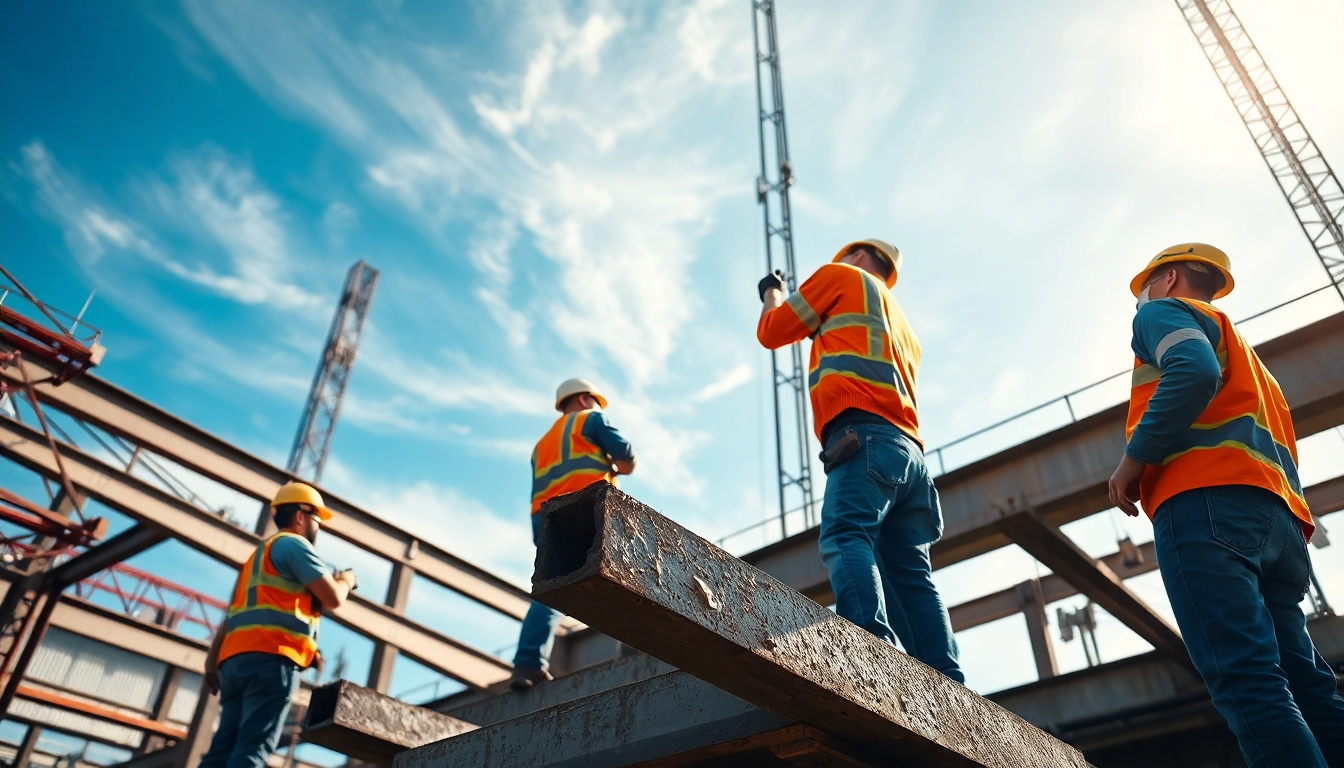
Structural steel installation is the process of assembling steel components into a framework necessary for buildings, bridges, and various infrastructural projects. This installation requires a high degree of precision and expertise, as the success of the structure relies heavily on the accuracy of the installation. The process typically involves transporting steel beams and columns to the construction site, preparing the site, and securing these components together using bolts or welds. The end goal is a robust, durable structure that meets safety and design specifications.
Importance and Benefits of Structural Steel
The significance of structural steel in modern construction cannot be overstated. Its benefits include:
- Strength and Durability: Structural steel offers exceptional strength-to-weight ratios, making it an ideal choice for large buildings and structures.
- Cost-Effectiveness: While the initial investment can be substantial, the durability and reduced need for maintenance can make structural steel more cost-effective over time.
- Versatility: Steel can be molded into diverse shapes and sizes, accommodating various architectural designs and requirements.
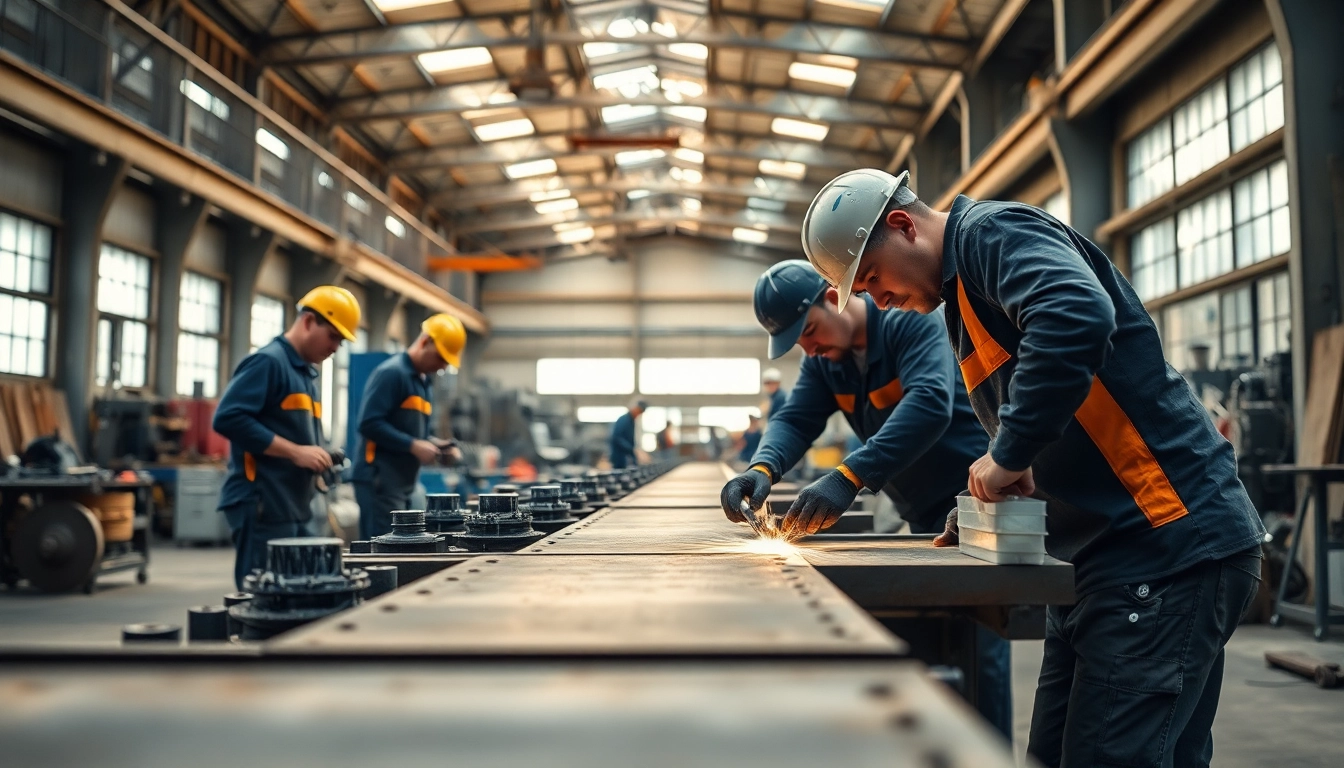
- Speed of Construction: Steel components are often prefabricated, meaning assembly on-site is quicker and less labor-intensive.
- Sustainability: Structural steel is100% recyclable, contributing to environmental sustainability in construction.
Key Components in the Installation Process
Understanding the components involved in structural steel installation is essential. Key elements include:
- Beams: These horizontal supports carry loads across spans.
- Columns: Vertical elements that support beams and transfer loads to foundations.
- Bracings: Diagonal elements that enhance stability and prevent lateral movement.
- Connections: The points where steel members bond, typically through welding or bolting, ensuring structural integrity.
Planning for Structural Steel Installation
Site Preparation and Assessment
Effective planning begins with site preparation, which involves a thorough assessment of the ground conditions and existing structures. Soil testing and site surveys ensure the installation’s integrity, determining the load-bearing capacity and whether modifications are needed. Preparing the site includes clearing land, grading, and ensuring access for machinery and delivery of steel components.
Design Considerations and Engineering
The design phase is critical in structural steel installation. Engineers must consider the intended use of the structure, safety standards, and aesthetic elements. Advanced software allows for detailed modeling of the steel framework, enabling simulations to predict performance under various conditions. Key considerations include:
- Load requirements
- Architectural specifications
- Local building codes and regulations
- Future expansion possibilities
Permits and Regulations Compliance
Compliance with local building codes and regulations is critical to avoid project delays and legal issues. Contractors must acquire the necessary permits before commencing any installation work, which may involve inspections and approvals from several agencies. Factors influencing permit requirements include the structure’s height, location, and usage type. Understanding these regulations ahead of time can facilitate a smoother installation process.
Best Practices for Safe Structural Steel Installation
Safety Protocols and Equipment
Safety is paramount in structural steel installation. Employers must provide comprehensive safety training, use quality personal protective equipment (PPE), and adhere to established protocols. Best practices include:
- Conducting regular safety meetings and drills.
- Ensuring all team members are trained on equipment use.
- Utilizing proper lifting techniques and equipment.
- Maintaining clear communication among all crew members on-site.
Handling and Transporting Steel Components
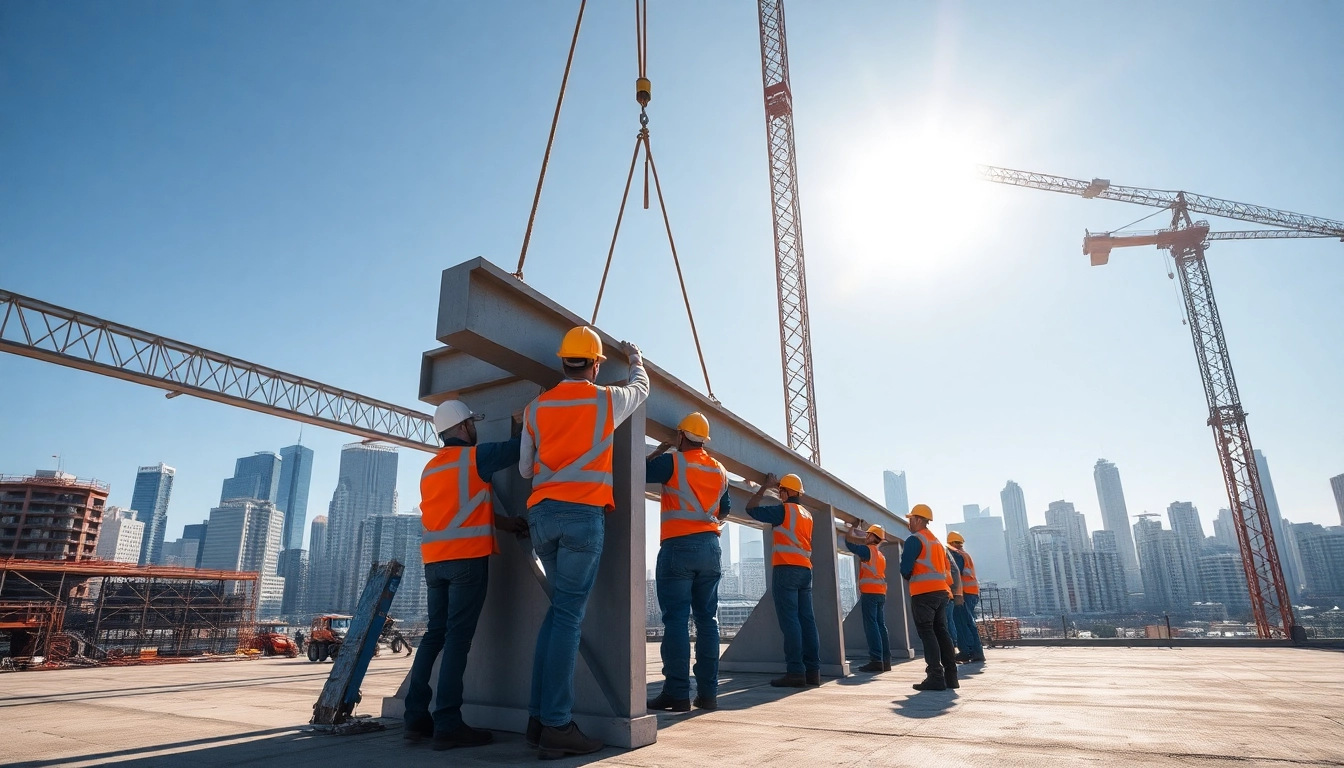
Handling and transportation of steel components to the construction site require careful planning to avoid accidents. Using cranes for lifting and properly securing loads during transport reduces the risk of dropping or damaging materials. Crane operators and riggers should work closely to ensure alignment and stability, implementing safe practices such as:
- Using appropriate lifting equipment for the weight and type of steel.
- Establishing safe zones around lifting operations.
- Communicating using hand signals or radios to coordinate movements.
Common Hazards and Mitigation Strategies
While the benefits of structural steel installation are significant, several hazards can pose risks to workers’ safety. Common hazards include:
- Falls: Implementing guardrails, safety nets, and harnesses can minimize fall risks.
- Struck-by incidents: Zones must be marked, and workers should be vigilant about their surroundings.
- Crane accidents: Proper training for crane operators is essential, along with routine equipment inspections.
Establishing effective communication and safety protocols contributes to a safer work environment during structural steel installation.
Challenges in Structural Steel Installation
Dealing with Weather and Environmental Factors
Weather conditions can significantly impact the structural steel installation process. Rain, snow, or extreme temperatures can delay construction and create unsafe working conditions. Planning for inclement weather includes:
- Monitoring weather forecasts to adjust work schedules.
- Implementing protective measures for materials and workers.
- Using weather-resistant coatings on steel components to prevent deterioration.
Site-Specific Obstacles and Solutions
Each construction site presents unique challenges that may hinder steel installation. This could include limited access, uneven terrain, or overhead power lines. The project team should complete a detailed site analysis and develop strategic solutions, such as:
- Creating detailed construction plans that account for site limitations.
- Considering alternative methods of transport and installation, including modular construction.
- Involving local authorities early in the planning process to understand potential challenges.
Coordination Among Multiple Trades
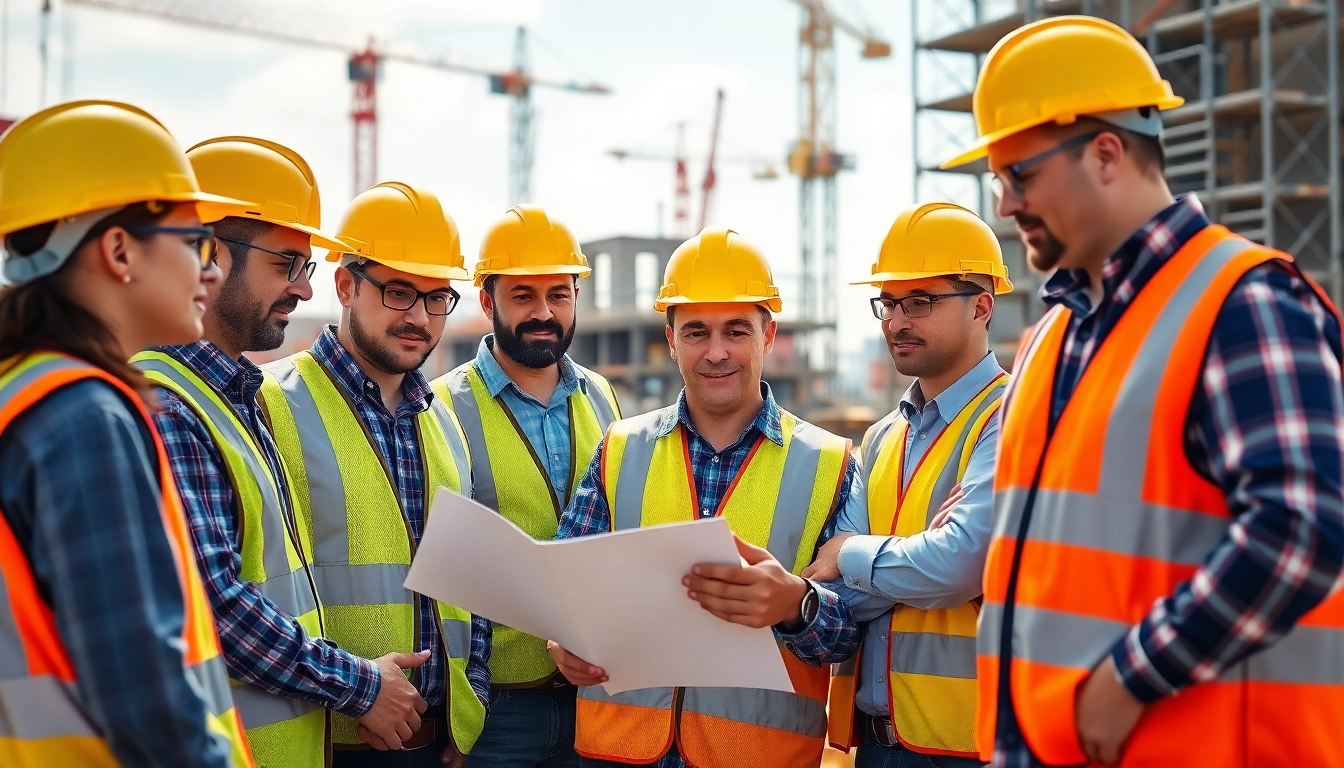
Structural steel installation often involves coordination among different trades, including electrical, plumbing, and HVAC. Effective communication and collaboration are essential to ensure that all trades align their schedules and activities. Implementing integrated project delivery (IPD) practices can enhance collaboration by allowing stakeholders to share real-time information, addressing potential conflicts efficiently.
Evaluating Structural Steel Installation Success
Performance Metrics and KPIs
Evaluating the success of a structural steel installation involves measuring specific performance metrics and key performance indicators (KPIs). Important metrics include:
- Time to Completion: Monitoring if the installation aligns with the planned timeline.
- Budget Adherence: Tracking costs against budget estimates to prevent overruns.
- Quality Control: Assessing the structural integrity of the installation through inspections.
Post-Installation Inspections and Testing
Once installation is complete, conducting thorough inspections and testing is crucial to ensure compliance with safety standards and performance specifications. This process may include:
- Visual inspections for structural integrity.
- Load testing to confirm the strength of connections and components.
- Final safety assessments to identify any areas requiring correction before project handover.
Continuous Improvement in Future Projects
Continual learning and improvement are vital in the structural steel installation industry. After project completion, conducting a post-mortem analysis allows teams to identify successes and areas for future improvement. This can involve:
- Gathering feedback from all team members on challenges faced during the installation.
- Documenting lessons learned for future projects.
- Incorporating new technologies or practices that enhance safety and efficiency.
By applying these insights, construction companies can enhance their practices around structural steel installation, providing higher quality workmanship and better overall project outcomes.