Understanding the Role of a Videographer
Definition and Key Responsibilities
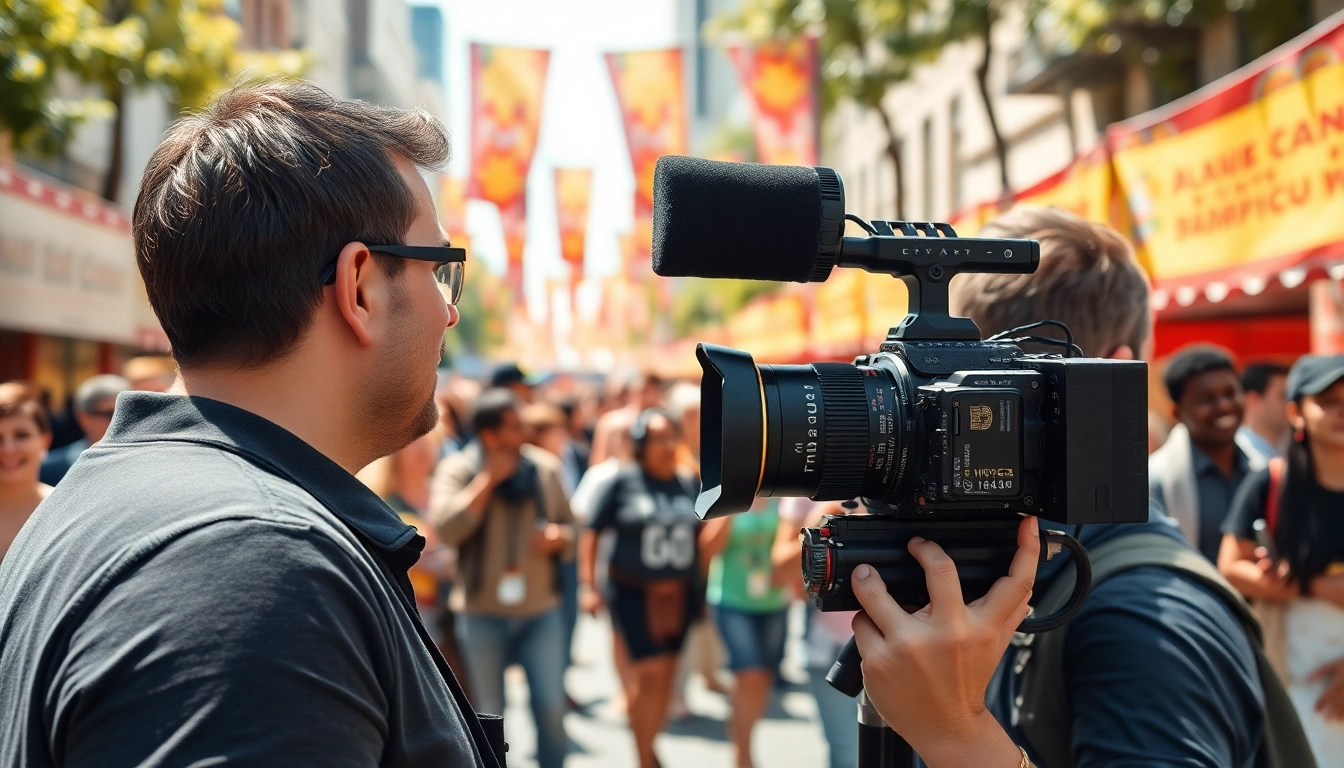
A videographer plays a pivotal role in the world of visual storytelling. Unlike traditional filmmakers who often work on large-scale projects with extensive crews, a videographer typically operates independently or with small teams. This professional focuses on capturing, producing, and editing video content for various purposes, including events, corporate videos, commercials, and documentaries.
The responsibilities of a videographer can be diverse and complex. Key tasks include:
- Pre-Production Planning: This phase entails understanding the client's vision, storyboarding concepts, scouting locations, and preparing equipment.
- Filming: During production, videographers utilize varying techniques to capture high-quality video. This might involve operating cameras, adjusting lighting, and managing sound.
- Post-Production: After filming, the editing process begins. This includes selecting the best footage, editing clips together, sound design, and color grading to create a polished final product.
- Client Communication: Effective communication with clients throughout the entire process ensures that the final video aligns with their expectations.
Types of Videography Services
Videographers provide a wide range of services tailored to various industries and needs. Here are a few common types of videography services:
- Event Videography: This includes weddings, corporate events, and live performances, where capturing special moments is paramount.
- Corporate Videography: Businesses hire videographers to create promotional videos, training materials, and internal communications.
- Commercial Videography: Designing advertisements or product showcases that effectively market goods and services.
- Documentary Filmmaking: Telling in-depth stories on various topics that educate or inform audiences.
- Social Media Content Creation: Crafting short videos specifically tailored for platforms like Instagram, TikTok, and YouTube.
The Importance of Quality Videography
In today’s fast-paced digital world, quality videography is essential for brands and individuals to stand out. High-quality videos can evoke emotions, convey messages, and engage audiences more effectively than static images or text alone. Here are some reasons why investing in professional videography is crucial:
- Enhanced Storytelling: Quality videography can tell a story in a way that resonates deeply with viewers.
- Increased Engagement: Videos capture attention on social media, resulting in higher engagement rates compared to other content types.
- Improved Brand Perception: Professional videos can enhance a brand's image, making it appear more credible and trustworthy.
- Better SEO Performance: Websites with video content often rank better in search engines, driving more traffic to sites.
How to Identify Your Videography Needs
Assessing Your Project Scope
Understanding the scope of your project is a crucial first step in hiring a videographer. Start by defining the purpose of your video. Ask yourself:
- What message do I want to convey?
- Who is my target audience?
- What is the desired length of the final video?
- What type of videography service do I require (event, corporate, etc.)?
Clear answers to these questions will help guide your selections during the hiring process.
Defining Your Budget and Expectations
Your budget will significantly influence your choice of videographer. It’s crucial to have a clear understanding of your financial constraints and the value you expect from the service:
- Set a realistic budget reflecting the scope and complexity of your project.
- Consider costs associated with pre-production, production, and post-production.
- Investigate typical pricing for videographer services in your region.
- Communicate your expectations with potential videographers to find a balance between quality and budget.
Choosing the Right Style for Your Content
Each videographer has a unique style, which can greatly impact the final product. Research potential videographers by looking into their previous work. Consider the following:
- Do they have experience with projects similar to yours?
- What narrative style do they employ?
- What do their video aesthetics (color grading, composition, etc.) look like?
- Does their style resonate with your brand's identity?
A clear understanding of style will help you select the candidate that best matches your vision.
Finding the Right Videographer
Where to Search for Videographers
Finding the right videographer can be accomplished through various platforms and resources. Here are some effective places to look:
- Freelance Platforms: Websites where videographers offer their services, such as creative marketplaces.
- Social Media: Platforms like Instagram or Facebook often showcase portfolios, making it easier to assess creativity and style.
- Professional Networks: Local business networks or community forums can yield trustworthy recommendations.
- Search Engines: A quick search for videographers in your area can provide lists of professionals.
Questions to Ask Potential Videographers
Once you have identified a few candidates, asking the right questions can help clarify their fit for your project. Key questions include:
- Can you provide a portfolio of similar projects?
- What is your typical production timeline?
- How do you handle revisions and feedback?
- What equipment do you use, and do you have backup plans in case of issues?
- Can you describe your creative process?
The answers will give you insight into their workflow, reliability, and professionalism.
Checking Reviews and Portfolios
Reviews and portfolios are invaluable in gauging the quality of a videographer's work. Look for:
- Client testimonials that highlight strengths and weaknesses.
- Consistent style and execution across multiple projects.
- A variety of work samples to assess versatility.
Taking the time to research will pay dividends in finding a capable professional.
Collaborating with Your Videographer
Setting Clear Communication
Collaboration is key to ensuring your vision comes to life. Establishing clear communication from the outset can help avoid misunderstandings:
- Set up regular check-ins throughout the project.
- Utilize visual references or mood boards to communicate your ideas.
- Be open about any changes or concerns as they arise during production.
A collaborative approach will foster a productive working relationship.
Providing Creative Input and Direction
Your insights are essential to ensuring the final product aligns with your objectives. When collaborating with a videographer, consider:
- Sharing specific examples of styles you like.
- Discussing the tone of the video and any key elements you want included.
- Offering feedback on initial drafts or concepts to guide further development.
A healthy exchange of ideas will help elevate the project quality.
Establishing a Timeline and Milestones
A well-defined timeline helps manage expectations and ensures that the project stays on track. Key components include:
- Setting deadlines for pre-production tasks, filming dates, and delivery timelines for the final video.
- Establishing milestones to review work and provide feedback at critical stages.
A structured approach will help maintain momentum and accountability throughout the project.
The Impact of Professional Videography
Enhancing Brand Image Through Video
Professional videography can significantly enhance your brand's image. A well-produced video communicates professionalism, creativity, and attention to detail, which can resonate deeply with audiences. Companies that invest in quality visual content often find themselves being perceived as leaders in their respective industries.
Maximizing Audience Engagement
Videos are one of the most engaging content formats available today. Viewers are more likely to share and interact with video content. By delivering high-quality videos, brands can increase viewer retention and drive traffic to their websites or social media platforms, ultimately boosting customer engagement.
Measuring the Success of Your Videography Project
Once your video is released, measuring its impact is crucial. Consider metrics such as:
- View Count: The number of views your video receives can indicate its reach and effectiveness.
- Engagement Rate: Likes, comments, and shares can help assess how well the content resonates with viewers.
- Conversion Rate: Track how many viewers take action after watching the video, such as signing up for a newsletter or making a purchase.
These measures can guide your future video projects and marketing strategies.
Ultimately, selecting the right Videographer is not just about technical skills—it’s about finding a partner who understands your vision and can bring it to life through their artistry. By following the outlined steps, you can ensure your investment in videography yields the best results.