Understanding the Steel Fabrication Shop Process
Introduction to Steel Fabrication
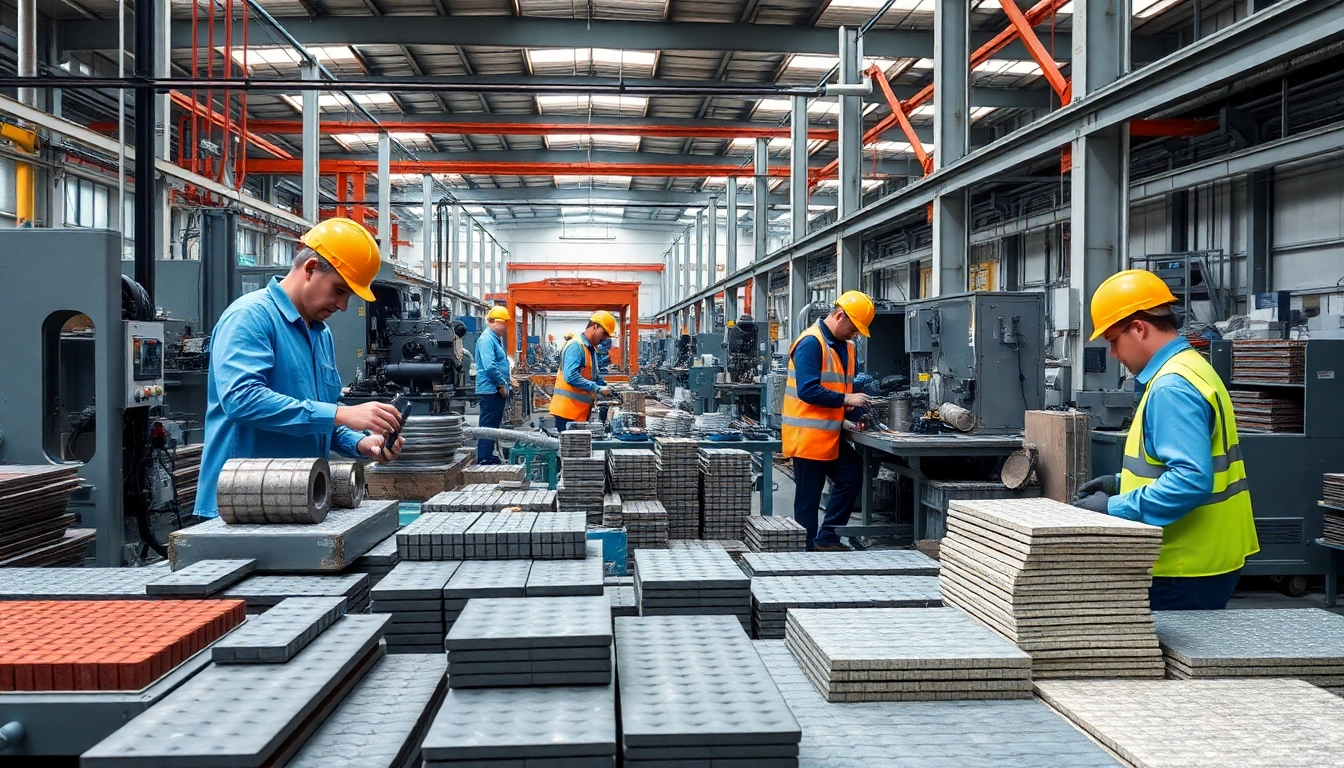
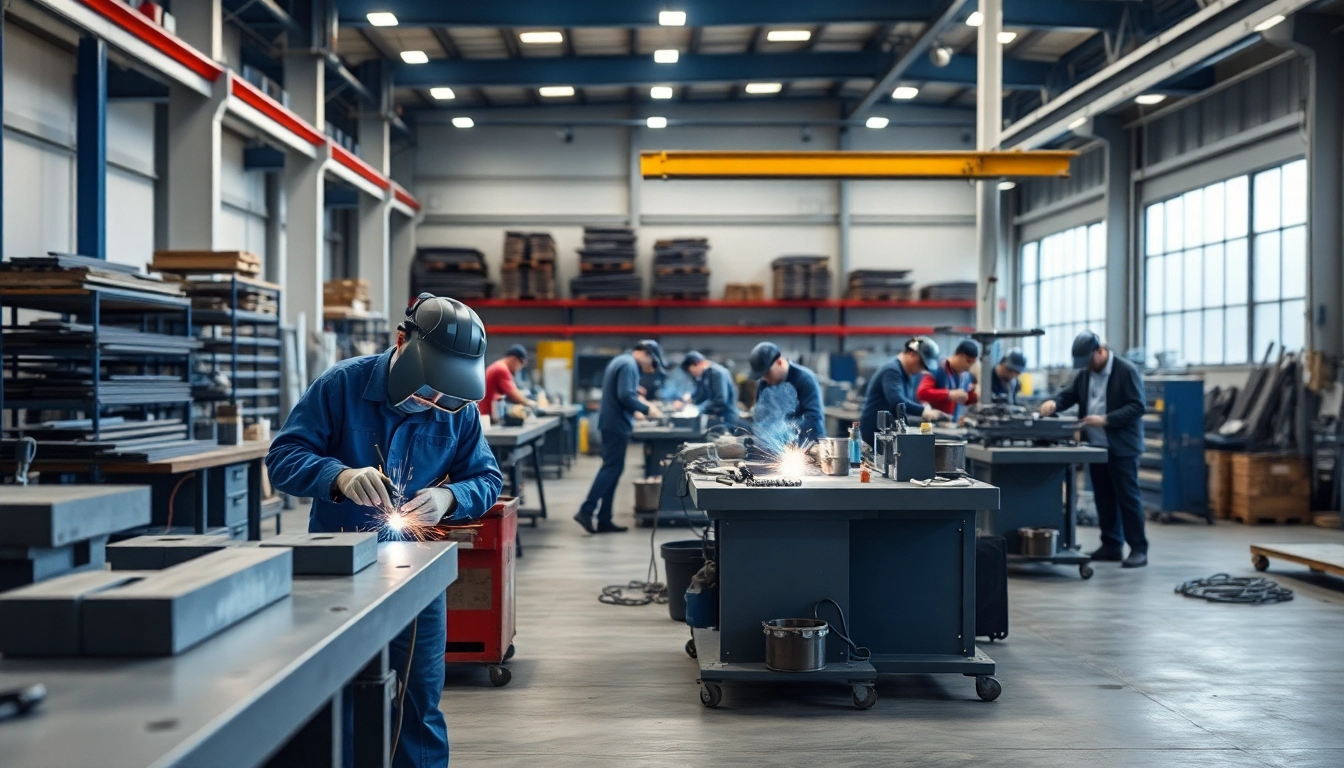
Steel fabrication is an essential process in various industries, transforming raw steel into customized structures and products. This complex endeavor involves a series of interlinked processes—cutting, bending, welding, and assembling—to create components for construction, heavy equipment, and countless other applications. In a steel fabrication shop, skilled technicians and advanced machinery work collaboratively to ensure that each project meets specified requirements while adhering to safety and quality standards.
Common Techniques in the Steel Fabrication Shop
At the heart of every steel fabrication shop are the techniques employed to manipulate steel. Each method has its utility depending on the intended application. Below are some prevalent techniques:
- Cutting: Various cutting methods, including oxy-fuel cutting, plasma cutting, and laser cutting, are utilized to achieve precise shapes and sizes. The choice of cutting method often depends on the thickness and type of steel.
- Bending: Bending involves the application of force to deform steel into desirable angles or curves. This is typically achieved using press brakes or roll benders.
- Welding: Welding techniques, such as MIG, TIG, and Stick welding, are vital for joining steel pieces together. The method selected often depends on the types of metals being joined and their application.
- Assembly: The final assembly process consists of combining welded or mechanically fastened components into a complete product. This stage often requires meticulous attention to detail to ensure structural integrity.
Safety Protocols in Steel Fabrication
Safety is paramount in a steel fabrication shop, where heavy machinery, sharp tools, and volatile materials are commonplace. Adhering to strict safety protocols can save lives and prevent costly accidents. Here are essential safety protocols:
- Personal Protective Equipment (PPE): Workers should always wear appropriate PPE, including helmets, gloves, goggles, and steel-toed boots.
- Machinery Safety: Regular maintenance checks and operator training can prevent malfunctions and accidents. Procedures around machine operation should be clear and strictly enforced.
- Emergency Preparedness: A robust emergency response plan, including fire drills and first aid training, is crucial to tackle any incidents effectively.
- Material Handling: Safe practices for lifting and transporting heavy materials should be in place, minimizing the risk of injury.
Essential Equipment for Your Steel Fabrication Shop
Cutting and Welding Tools
Having the right cutting and welding tools is fundamental for productivity and quality in any steel fabrication shop. Below are key tools to invest in:
- Plasma Cutters: Ideal for cutting thin materials with precision and speed.
- Band Saws: Commonly used for cutting steel at various angles and shapes.
- Welders: A range of welding machines should be available to suit different materials and techniques.
- CNC Machines: Computer Numerical Control (CNC) equipment allows for highly accurate and automated cutting and fabricating processes.
Quality Control Equipment
Maintaining high quality in fabricated steel products is vital. Quality control equipment helps ensure that each product adheres to stringent standards. Essential quality control tools include:
- Measuring Instruments: Tools such as calipers, micrometers, and gauges provide precise measurements necessary for quality assurance.
- Inspection Cameras: Advanced inspection cameras allow for real-time monitoring of welds and material integrity.
- Testing Equipment: Non-destructive testing methods, such as ultrasonic and magnetic particle testing, help identify internal flaws without damaging the material.
Material Handling Solutions
Effective material handling is crucial in a steel fabrication shop. Proper equipment can streamline operations and enhance safety. Key material handling solutions include:
- Overhead Cranes: These allow for the lifting and moving of heavy steel components with precision while minimizing manual handling.
- Forklifts: Essential for transporting materials around the shop floor.
- Magnetic Lifters: Useful for lifting and turning heavy steel plates without the need for slings or chains.
Best Practices for Efficiency in Steel Fabrication
Streamlining Workflow in the Fabrication Shop
Achieving efficiency in a steel fabrication shop requires strategic workflow management. Here are some best practices to consider:
- Layout Optimization: A well-organized shop layout can reduce unnecessary movement and improve material flow.
- Job Scheduling: Implementing a scheduling system helps prioritize jobs and allocate resources accordingly, ensuring timely project completion.
- Use of Technology: Incorporating software for project management can enhance planning and tracking across various stages of fabrication.
Maintenance of Equipment and Tools
Regular maintenance of tools and machinery is essential for operational continuity. Here are necessary maintenance practices:
- Create a Maintenance Schedule: A systematic maintenance schedule helps prevent unexpected breakdowns and prolongs equipment lifespan.
- Conduct Regular Inspections: Daily checks of machinery can catch potential issues before they escalate into costly repairs.
- Keep Spare Parts Ready: Having commonly used spare parts readily available can reduce downtime during repairs.
Reducing Waste and Improving Sustainability
Implementing sustainable practices in a steel fabrication shop not only benefits the environment but can also reduce costs. Consider these strategies:
- Material Optimization: Utilize software to analyze cutting patterns, maximizing the use of raw materials and minimizing scrap.
- Recycling: Establish a recycling program for metal scraps and offcuts that can be remelted and reused.
- Energy Efficiency: Invest in energy-efficient tools and machinery which may come with higher upfront costs but will result in long-term savings.
Innovations and Technologies Transforming Steel Fabrication
Automation in the Steel Fabrication Shop
The adoption of automation in steel fabrication shops is driving efficiency and productivity. Here are notable automation technologies:
- Robotic Welding: Robots are increasingly used for welding tasks, ensuring consistent quality and reducing labor costs.
- CNC Machines: These machines automate cutting and shaping processes, increasing accuracy and reducing manual effort.
- Automated Material Handling Systems: These systems can streamline how materials are moved throughout the shop, reducing the risk of accidents and improving speed.
Software Solutions for Project Management
Integrating modern software solutions into daily operations can help manage projects more effectively. Key software features to look for include:
- Resource Management: Tools that help allocate materials and labor resources efficiently can boost productivity.
- Real-Time Tracking: Real-time monitoring of projects ensures that deadlines are met and resources are optimally utilized.
- Cost Estimation: Financial tracking software helps manage budgets and track expenses, ensuring projects remain profitable.
Future Trends in Steel Fabrication Technology
As technology continues to evolve, so too will the steel fabrication industry. Here are some anticipated trends:
- Increased Use of Additive Manufacturing: 3D printing technologies are emerging as viable solutions for creating complex steel structures and reducing waste.
- Advanced Materials: The development of high-strength and lightweight alloys is changing design paradigms, influencing how products are fabricated.
- Artificial Intelligence and Machine Learning: These technologies will likely be employed to predict equipment failures and optimize production schedules.
Choosing the Right Steel Fabrication Shop for Your Needs
Evaluating Industry Experience and Expertise
When selecting a steel fabrication shop, it’s imperative to evaluate their industry experience and expertise. Consider the following:
- Portfolio Review: Review their past projects to assess their quality of work and experience with similar projects.
- Certifications: Ensure the shop adheres to industry standards and holds necessary certifications that reflect their competency.
- Client Testimonials: Feedback from previous clients can provide insights into reliability and overall satisfaction.
Understanding Pricing Structures
Pricing varies widely among steel fabrication shops, influenced by factors such as material costs, labor, and overhead. Understanding pricing structures can help you make informed decisions:
- Transparent Quotes: Seek shops that provide detailed quotes outlining costs associated with materials, labor, and any other charges.
- Cost-Effectiveness: Remember that the cheapest option may not necessarily offer the best value. Consider the quality and reliability of the services provided.
Customer Service and Support in Steel Fabrication
Finally, good customer service is vital to maintain ongoing relationships and facilitate smooth collaboration. Identify shops that prioritize strong communication and support:
- Responsiveness: Evaluate how quickly the shop responds to inquiries and how they handle queries and issues.
- Professionalism: A professional demeanor within the shop can correlate with overall service quality and trustworthiness.
- Support Services: Look for shops that offer aftercare services or support for troubleshooting post-project completion.