Introduction to Fly Fishing for Beginners
Fly fishing is not just a hobby; it’s an art that intricately combines nature, patience, and skill. For those stepping into the world of fly fishing for beginners, it can feel daunting at first. However, understanding its foundations can transform beginners into proficient anglers. The unique aspects of fly fishing create an immersive experience that goes beyond merely catching fish, as it invites practitioners to appreciate the serene beauty of their surroundings. In this article, we will navigate through the essential elements of fly fishing, focusing on techniques, equipment, prime fishing locations, and best practices to foster an enjoyable experience.
What Is Fly Fishing?
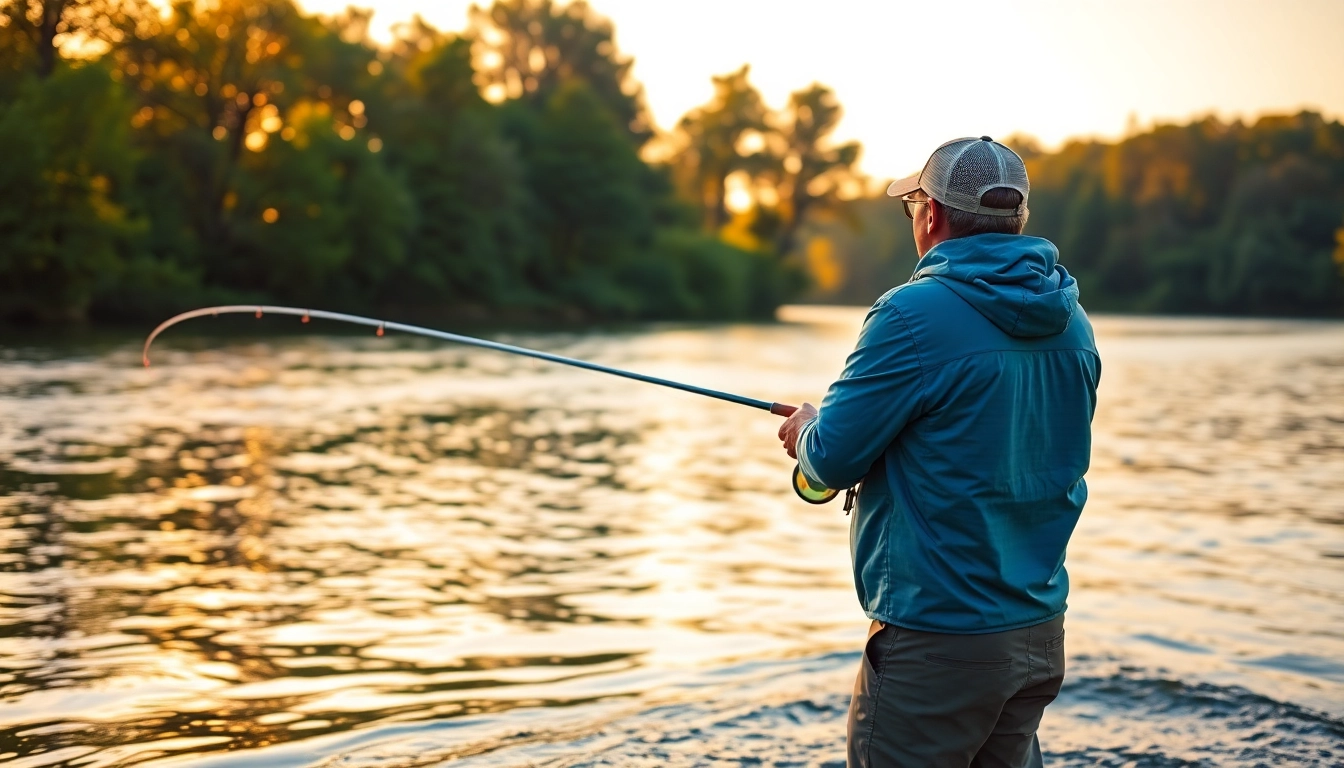
Fly fishing is a specialized angling technique that uses lightweight artificial flies to catch fish. Unlike traditional fishing methods, which often rely on heavy lures and bobbers, fly fishing involves matching the characteristics of the fly to those of the natural insects or prey the fish observe in their habitat. It requires a different set of skills, primarily focused on presentation and subtle movements. The casting technique is paramount, as the aim is to delicately place the fly on or near the water’s surface to mimic the natural behavior of aquatic insects.
Why Choose Fly Fishing?
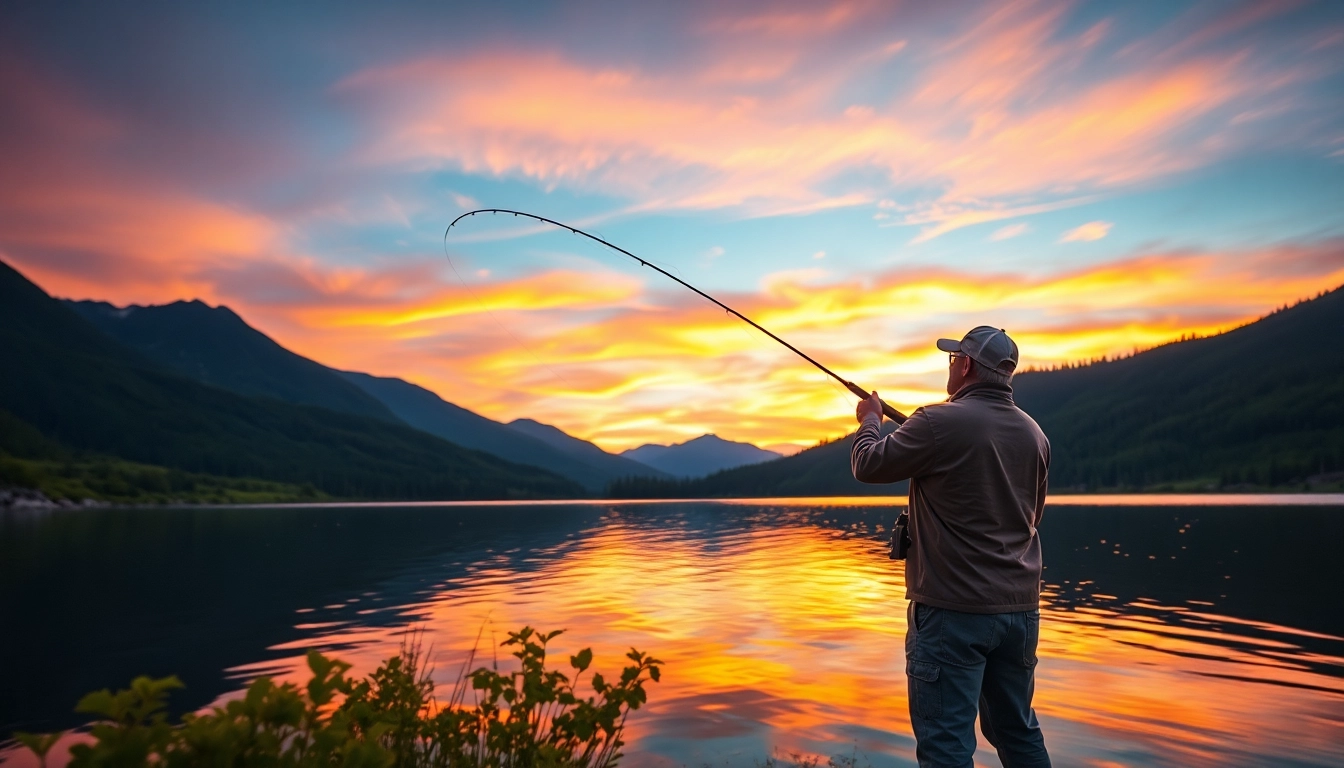
Choosing fly fishing offers several unique advantages. It often appeals to those who seek a connection with nature, as the experience typically occurs in breathtaking environments, such as rivers, streams, and lakes. Moreover, fly fishing emphasizes skill development, providing anglers with opportunities to refine their casting abilities and to learn about fish behavior intimately. As a social activity, many fly fishermen form lifelong friendships, joining community events and local clubs. Additionally, it promotes sustainable fishing practices, as many practitioners emphasize catch-and-release methods and environmental stewardship.
Basic Equipment Needed
Starting with the right equipment is crucial for beginners. The basic gear includes:
- Fly Rod: Generally longer and more flexible, allowing for better casting.
- Fly Reel: Designed to hold the fly line, aiding in retrieval and control.
- Fly Line: Heavier than regular fishing line, designed to help cast the lightweight flies.
- Leader Line: A tapered line that ties to the fly, helping the presentation in the water.
- Flies: Artificial lures crafted to resemble insects or other prey.
- Waders: Waterproof boots or pants that keep the angler dry while standing in water.
- Accessories: Includes items like forceps, scissors, and a tackle box to organize flies.
Understanding Fly Fishing Techniques
Essential Casting Techniques
The essence of successful fly fishing lies in mastering casting techniques. The most common methods include:
- Overhead Cast: This foundational cast allows for maximum distance and precise placement. It involves lifting the rod overhead and snapping it back behind the angler before moving it forward smoothly.
- Roll Cast: Ideal for confined spaces or when backcasting isn’t possible, this technique rolls the line on the water’s surface, allowing for effective delivery without needing to lift the line above the water.
- Double Haul: An advanced casting method that increases line speed and distance through a combination of pulling on the line during both the back and forward cast.
Practicing these casts in various environments will build muscle memory, making casting more instinctual over time.
Reading Water and Identifying Fish
Understanding water dynamics is crucial for successfully targeting fish. Beginners should learn to read the water, recognizing structure and depth variations that attract fish. Key signs include:
- Ripple Effect: Look for patterns created by fish feeding. Ripples can indicate the presence of insects on the water’s surface.
- Creeks and Edges: Fish often hide in areas with shelter and cover, such as under rocks, logs, or overhanging vegetation.
- Water Flow: Fish tend to position themselves in calmer areas where they can take advantage of flowing water, so understanding current is vital.
Practicing patience and observation will pay off when learning to identify the best fishing spots.
Choosing the Right Flies
Choosing flies that match the local aquatic life is essential for success. Generally, flies are categorized into three primary types:
- Dry Flies: These float on the surface and imitate adult insects. They are used when fish are feeding on insects from the surface.
- Wet Flies: Designed to sink slightly below the water’s surface, mimicking insects in their larval stage. They can be effective when fish are feeding just below the surface.
- Nymphs: These represent aquatic insects in their larval or pupal stages and are fished below the surface.
Researching local hatches and discussing with local fly shops can significantly improve your selection of flies.
Best Fly Fishing Locations for Beginners
Popular Freshwater Spots
Freshwater fly fishing offers numerous accessible locations ideal for beginners. Here are some popular freshwater spots:
- Rivers and Streams: Look for slower-moving rivers with structure and shelter. Rivers with ample insect life provide excellent opportunities.
- Lakes: Many lakes have easy access points and often host fish like trout and bass.
- Ponds: Small ponds can be great for practicing casting techniques and seeing immediate results.
Top Saltwater Destinations
For those interested in saltwater fly fishing, several destinations offer excellent experiences:
- Coastal Flats: Here, fish such as bonefish and permit can be found in shallow waters, making them visible and huntable.
- Estuaries: These areas, where freshwater meets saltwater, attract a diverse range of fish species.
- Harbors and Jetties: Ideal locations for targeting larger species like tarpon and snook.
Accessing Local Streams and Rivers
Finding local streams can feel overwhelming, but simple strategies can make it easier:
- Utilize online resources or databases that provide information on local fishing spots.
- Visit local parks and nature reserves that often include lakes and rivers suitable for fishing.
- Join local fishing clubs; members often have valuable insights on the best untouched streams.
Fly Fishing Etiquette and Conservation
Respecting Other Anglers
Understanding and observing fly fishing etiquette maintains a positive experience for everyone on the water. Key practices include:
- Maintain a respectful distance from other anglers.
- Waiting your turn at popular spots and not casting over someone else’s line.
- Practicing silence and patience to enable an enjoyable environment for all.
Catch and Release Practices
Catch and release is a fundamental practice in fly fishing that promotes fish population health. Best practices include:
- Use barbless hooks to minimize injury.
- Handle fish with wet hands and ensure they are in the water as little as possible.
- Support the fish horizontally to prevent damage to their internal organs.
Protecting Natural Habitats
Engagement in sustainable practices encourages the preservation of ecosystems. Steps include:
- Cleaning up after yourself to minimize waste in natural areas.
- Staying on marked trails to avoid damaging vegetation.
- Being mindful of breeding seasons to avoid disturbance to aquatic life.
Frequently Asked Questions About Fly Fishing for Beginners
What Gear Do I Need to Start Fly Fishing?
You’ll need a fly rod, reel, line, leader, flies, and waders to start. Additional accessories like a net and tackle box help keep you prepared.
How Do I Learn to Cast Properly?
Practice on grass or at casting clinics. Watching instructional videos and getting feedback from experienced anglers can enhance your skills.
What Are the Best Times to Fish?
Early mornings and late afternoons are ideal because fish are more active. Weather conditions also play a significant role in fish behavior.
Are There Specific Flies for Beginners?
Yes! Start with simple patterns like Adams or Woolly Buggers. They are versatile and effective in various conditions.
Can I Fly Fish in Saltwater as a Beginner?
Absolutely! Saltwater can be a fantastic experience. Start with guided trips to learn the basics in a supportive environment.