Understanding Clarksburg Wines
Introduction to Clarksburg as a Wine Region
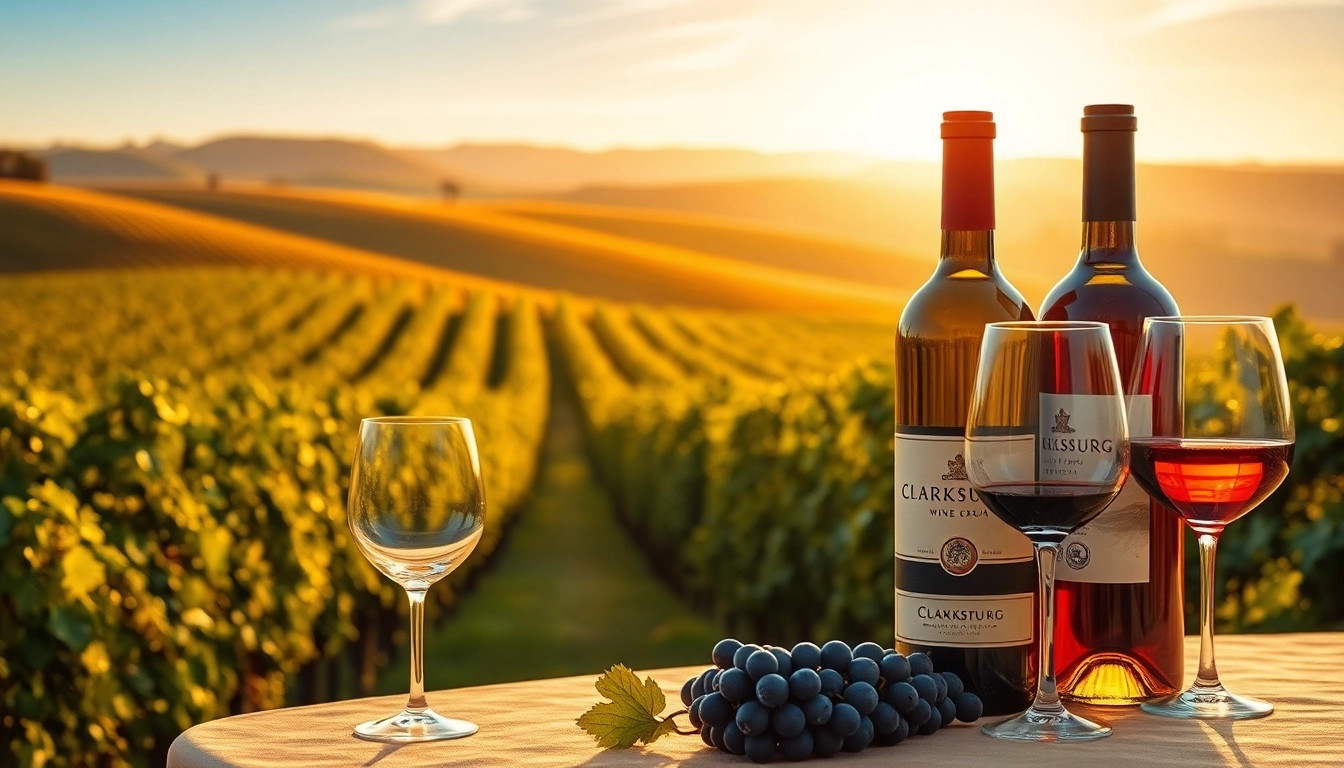
Clarksburg, nestled in California’s Sacramento Valley, is an up-and-coming wine region that offers a unique combination of climate, soil, and winemaking tradition, making it an exciting destination for enthusiasts of Clarksburg wines. While often overshadowed by its more famous counterparts in Napa and Sonoma, Clarksburg showcases a distinctive character derived from its rich agricultural heritage and favorable geographical features.
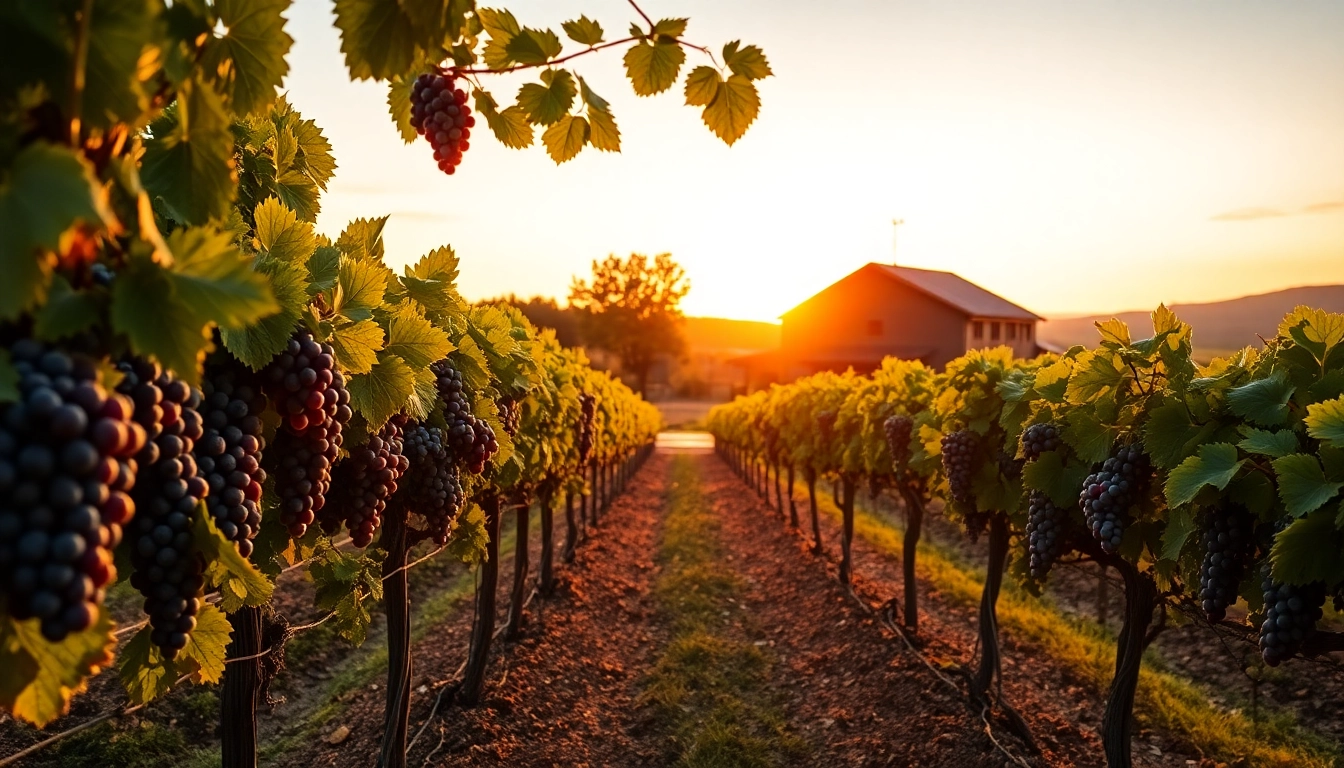
The area benefits from a Mediterranean climate characterized by warm summers and cool, foggy mornings, which is ideal for various grape varietals. Clarksburg’s proximity to the Sacramento River mitigates temperature extremes, allowing for optimal ripening conditions. The region has gradually garnered recognition for producing high-quality wines with distinct flavor profiles and aromatic complexity.
Types of Grapes Grown in Clarksburg
The diversity of grape varietals cultivated in Clarksburg speaks to the region’s agricultural richness. Among the most widely planted grapes, one can find Chardonnay, Sauvignon Blanc, Cabernet Sauvignon, and Petite Sirah, each thriving in the region’s distinctive terroir. Chardonnay, known for its versatility, is produced in several stylistic interpretations, ranging from crisp and mineral-driven to rich and oaked.
Sauvignon Blanc, too, showcases the region’s capacity to produce vibrant and aromatic wines, marked by bright acidity and lush fruit flavors. Meanwhile, robust reds like Cabernet Sauvignon and Petite Sirah exhibit deep color intensity and bold flavors, reflecting the unique soil profiles and microclimates found throughout the vineyards of Clarksburg.
Climate Impact on Clarksburg Wines
The climate of Clarksburg plays a fundamental role in shaping the characteristics of its wines. The warm, sunny days combined with cooler evenings foster an extended growing season, allowing grapes to mature slowly and develop complex flavors. The influence of the Sacramento River helps to regulate temperature, leading to less extreme weather fluctuations that can impact vineyard yield and grape quality.
Fog, a common occurrence in the mornings, protects the vines from excessive heat, preserving the acidity necessary for well-balanced wines. This interplay of climate and geography not only promotes healthy vine growth but also contributes to the flavorful profiles of Clarksburg wines. Understanding these climatic factors can deepen appreciation for the unique wines that emerge from this burgeoning wine region.
Tasting Notes for Clarksburg Wines
Aromatic Profiles of Popular Varietals
Each varietal from Clarksburg offers a distinct aromatic profile, creating a sensory experience that can transport wine lovers to the vineyards themselves. Chardonnay from this region often exhibits notes of green apple, stone fruit, and hints of buttery richness when aged in oak. In contrast, unoaked versions lean more towards bright citrus and floral aromas, highlighting the region’s fresh terroir.
Sauvignon Blanc is celebrated for its vibrant and zesty characteristics. Expect enticing aromas of grapefruit, lime, and a distinct herbaceous quality, setting it apart from its counterparts. Red varietals, such as Cabernet Sauvignon, provide aromas of blackcurrant, plum, and subtle notes of vanilla and spice, particularly when aged in new oak barrels.
Flavor Characteristics to Expect
Tasting Clarksburg wines reveals a harmonious blend of flavors influenced by both grape varietals and winemaking techniques. Clarksburg Chardonnay typically showcases a balance between acidity and richness, with flavors ranging from ripe pear to creamy vanilla custard, particularly if oak-aged.
Sauvignon Blanc is often crisp and refreshing, with lively citrus flavors, alongside occasional herbal notes of basil or freshly cut grass that make it particularly food-friendly. In the realm of reds, Clarksburg Cabernet Sauvignon embodies depth and structure, often featuring flavors of dark berries, cocoa, and peppery undertones, alongside Petite Sirah, which can be bold with flavors of blackberry and licorice.
Production Techniques Unique to Clarksburg
The winemakers of Clarksburg employ various production techniques that reflect their commitment to quality and terroir expression. Many producers focus on minimal intervention methods, allowing the natural characteristics of the grapes to shine. This philosophy often includes practices such as hand-harvesting grapes, wild fermentation, and the application of native yeasts.
Sustainable practices are gaining traction among Clarksburg wineries, emphasizing environmental stewardship and soil health. Techniques such as cover cropping, reduced water usage, and organic farming methods are being adopted to enhance vineyard resilience while reducing ecological footprints.
Pairing Clarksburg Wines with Food
Best Dishes to Complement Clarksburg Whites
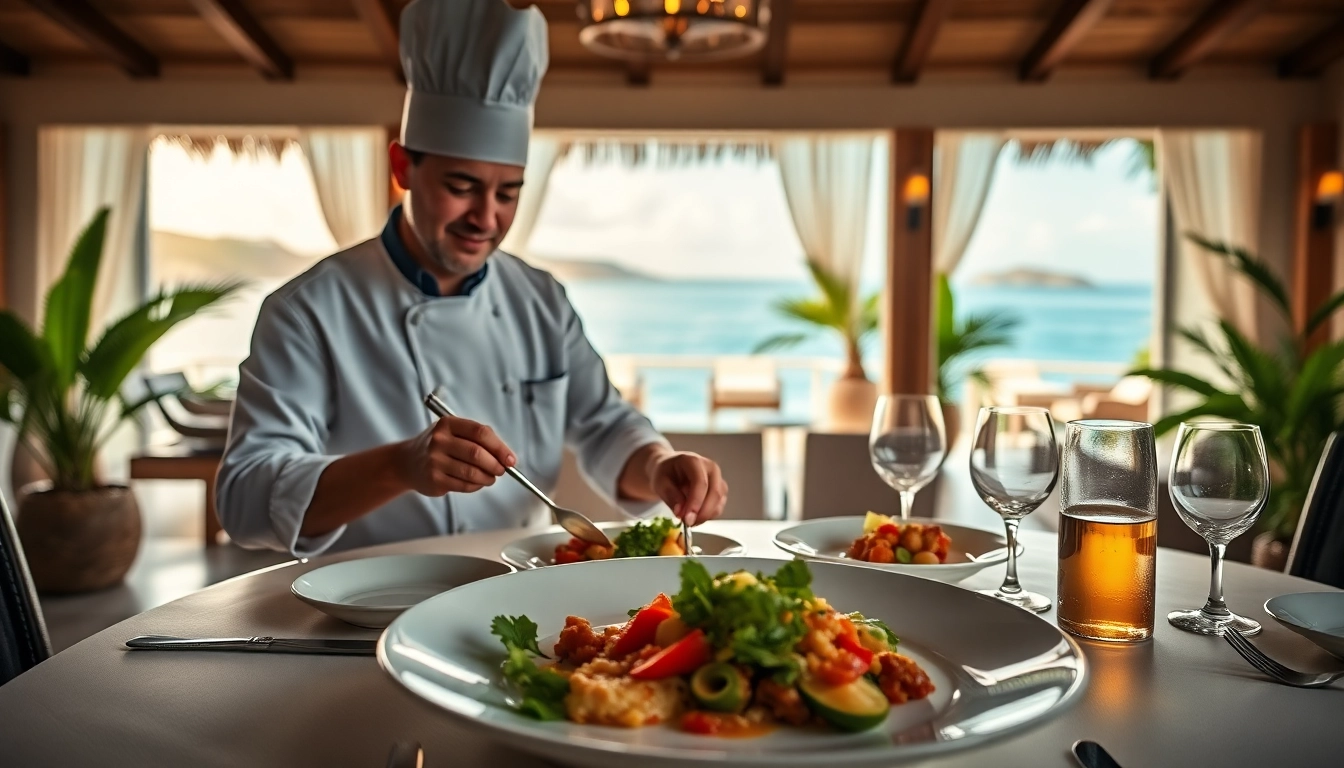
When it comes to pairing food with Clarksburg’s white wines, the key is to enhance the inherent qualities of the wine while creating a balance within the dish. A bold Chardonnay pairs excellently with rich seafood dishes like scallops or lobster, where its buttery notes can mirror the seafood’s flavors.
For Sauvignon Blanc, look toward light, fresh dishes: think grilled vegetables, goat cheese salad, or even a lemon shrimp pasta. The wine’s acidity cuts through creamy textures, providing a refreshing contrast that brings out the flavors of both the food and the wine.
Bold Pairings for Clarksburg Reds
The bold reds of Clarksburg deserve robust pairing options that can stand up to their intense flavors. For a Cabernet Sauvignon, consider grilled steak, lamb chops, or a hearty beef stew, where the wine’s tannins enhance the richness of the meat. The interplay of savory seasonings and dark fruit flavors can elevate the dining experience.
Petite Sirah pairs well with barbecue dishes due to its bold tannins and fruit-forward profile. Think smoked ribs or spicy sausage — these dishes can complement the wine’s robust character while providing a satisfying culinary experience.
Cheese Pairings to Elevate the Experience
Cheese and wine are a classic combination, and Clarksburg wines are no exception. A creamy Brie or Camembert pairs beautifully with Chardonnay, enhancing its smooth texture and buttery notes. Alternatively, Sauvignon Blanc pairs nicely with tangy goat cheese, where the wine’s acidity highlights the cheese’s creamy, tangy profile.
For red wines like Cabernet Sauvignon, consider aged cheddars or blue cheese. The complexity of these cheeses complements the wine’s depth, creating a harmonious pairing that elevates the tasting experience to new heights.
Enhancing Your Wine Experience with Clarksburg Wines
Choosing the Right Glassware
Choosing the appropriate glassware can profoundly impact your wine tasting experience. For Clarksburg whites, opt for a narrower bowl, which helps concentrate the wine’s aromas and maintain cooler temperatures. A traditional Bordeaux glass suits Cabernet Sauvignon and other robust reds, allowing the wine to breathe and express its full range of flavors.
Ultimately, the right glass can elevate not just the tasting experience but also enhance the sensory engagement through aroma, temperature retention, and the visual appeal of the wine.
Serving Temperatures for Optimal Enjoyment
The serving temperature of a wine can alter its aromas and flavors significantly. Generally, white wines from Clarksburg should be served chilled, around 45-50°F to maintain their refreshing qualities. In contrast, red wines are best served at a slightly warmer temperature, ideally between 55-65°F, to allow their complex flavor profiles to fully evolve.
A simple rule of thumb is to chill white wines in the refrigerator for about an hour before serving and allow reds to stand at room temperature for about 20-30 minutes before pouring.
Setting Up a Wine Tasting Event
Hosting a wine tasting event featuring Clarksburg wines can be an enjoyable experience for enthusiasts and newcomers alike. Start by selecting a mix of varietals to showcase the region’s diversity. Consider including a combination of whites and reds to appeal to different palate preferences.
Prepare a comfortable setting with adequate glassware, snacks, and perhaps some tasting cards that describe each wine and its unique characteristics. Encourage guests to note their impressions and discuss their favorites, fostering a lively and educational atmosphere.
Finding and Supporting Local Producers of Clarksburg Wines
Visiting Clarksburg Wineries
Visiting wineries in Clarksburg is an excellent way to engage with local producers and gain a deeper understanding of the wines. Many wineries offer tastings and tours that provide insights into their winemaking practices and philosophies. It’s an opportunity to experience the stunning landscape and charm of the region firsthand.
Consider planning your visit during local wine events or festivals, which can enhance your experience by connecting you with a diverse range of wines from the area, alongside food pairings and live entertainment.
Participating in Local Wine Events
Participating in local wine events is a fantastic way to not only learn about Clarksburg wines but also to immerse yourself within the vibrant wine community. Numerous events occur throughout the year that celebrate the region’s wines, such as harvest festivals, wine and food pairings, and educational seminars.
These events often feature various producers, offering tastings and interactions with winemakers, allowing attendees to gain a unique perspective on the local wine culture.
Supporting Sustainable Practices in Winemaking
Supporting sustainable practices in Clarksburg wines not only benefits the environment but also enhances the quality of the wine produced. Many local wineries prioritize sustainable methods, which include organic farming, water conservation, and biodiversity initiatives. As a consumer, you can encourage these practices by choosing to buy wines from these producers, thus fostering a culture of responsibility in winemaking.
Understanding the impact of sustainability on wine quality can also enhance your appreciation for Clarksburg wines. Engaging with producers who embrace eco-friendly techniques can deepen your connection to the wine and its origin.
Frequently Asked Questions
What types of grapes are primarily grown in Clarksburg?
Clarksburg is known for a range of grapes, including Chardonnay, Sauvignon Blanc, Cabernet Sauvignon, and Petite Sirah. Each varietal thrives in the region’s climate and soil, contributing to its diverse wine offerings.
What makes Clarksburg wines unique?
Clarksburg wines are unique due to their specific terroir, which includes cool river breezes, warm sun, and varied soil types. This combination allows for a diverse array of high-quality wines with distinct flavors and aromatic profiles.
Where can I taste Clarksburg wines?
You can taste Clarksburg wines by visiting local wineries or participating in wine events in the region. Many wineries offer tastings and tours, providing insights into their winemaking process.
How should I store Clarksburg wines at home?
Clarksburg wines should be stored in a cool, dark place with consistent temperature and humidity. Avoid storing them in direct sunlight, and position bottles vertically to keep the cork moist.
What food pairs best with Clarksburg wines?
Clarksburg wines pair well with a variety of dishes. Whites complement seafood and salads, while reds enhance steak, barbecue, and rich cheeses, creating delightful culinary experiences.