Understanding Colonial Home Build Basics
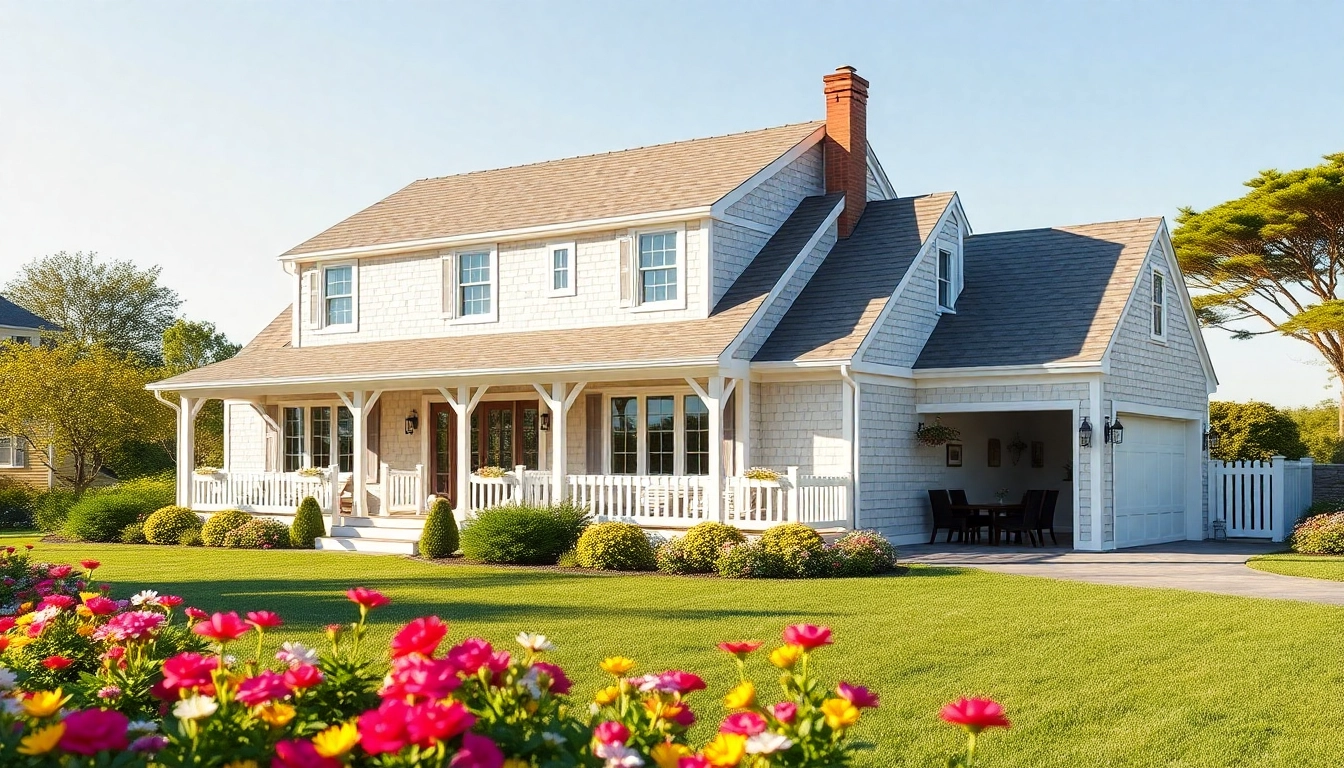
Colonial homes are not just structures; they represent a rich tapestry of American history and culture. This distinctive architectural style reflects the values and lifestyles of the early settlers. From their symmetrical designs to their classic detailing, colonial homes embody a traditional sensibility that many homeowners admire. In this article, we will explore the core aspects of a colonial home build, providing insights into their historical significance, design features, and overall appeal. This journey will guide you through the planning and execution stages of building a colonial home while ensuring your vision remains intact.
Historical Significance of Colonial Architecture
Colonial architecture developed in America from the 1600s to the mid-1800s influenced by various European styles, particularly English, Dutch, Spanish, and French designs. Early settlers adapted these styles to suit the climate, available materials, and cultural influences of the regions they inhabited. The architecture symbolizes the aspirations of new settlers for permanence, stability, and community.
As you delve into the history of colonial buildings, you realize that every element—from the steep roofs to the large, orderly windows—tells a story of resilience. Colonial homes were built to withstand harsh conditions while fostering family and community living. This historical context enriches the process of a colonial home build today, inviting you to honor these traditions while incorporating modern comforts.
Key Features of Colonial Homes
Colonial homes come with distinctive features that set them apart from other architectural styles. Understanding these characteristics is essential for anyone considering a colonial home build.
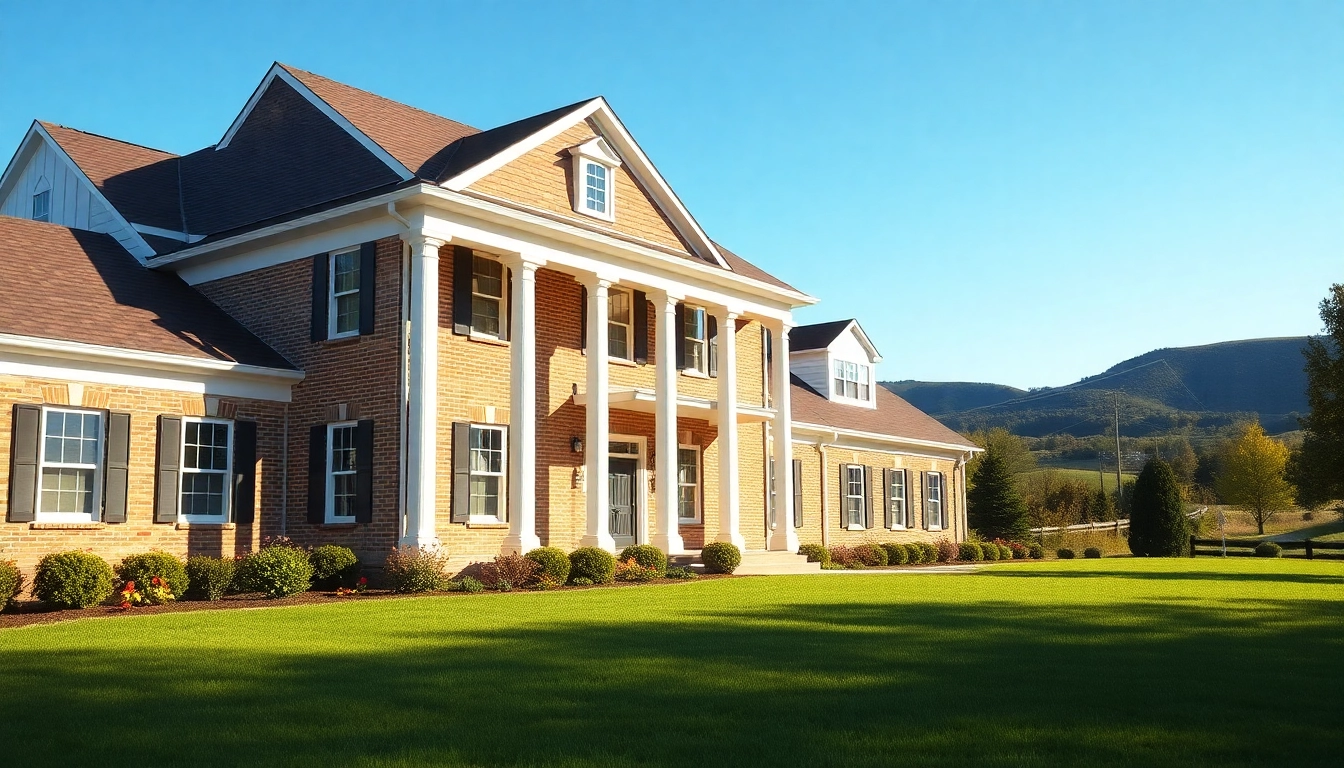
- Symmetrical Facade: Most colonial homes boast a balanced distribution of windows and doors.
- Central Hallway: A prominent feature is often a central hallway that effortlessly connects living spaces.
- High Ceilings: These homes typically incorporate spacious, high ceilings that enhance the open feel.
- Fireplaces: Originally designed for function, fireplaces in colonial homes serve as focal points in living areas.
- Classic Rooflines: Steeply pitched roofs often adorned with dormers reflect the style’s durability.
These stylistic elements create a sense of stability, elegance, and harmony, making colonial homes highly desirable for many homeowners.
Why Choose a Colonial Home Build?
Choosing to build a colonial home comes with various benefits. The most compelling reasons include:
- Timeless Appeal: Colonial designs often stand the test of time, appealing to buyers who appreciate traditional beauty.
- Durability: Constructed with solid materials and design features, colonial homes are built to last.
- Energy Efficiency: Modern advancements allow colonial homes to be fitted with energy-efficient systems while maintaining classic aesthetics.
- Reputation: The enduring popularity of colonial homes often increases resale value.
Embracing the idea of a colonial home build is choosing a comfort zone filled with familiarity and historic charm—one that beautifully marries the past with modern living.
Planning Your Colonial Home Build
Effective planning is crucial to successfully executing your colonial home build. Several key considerations ensure you lay the foundation for your dream home.
Design Considerations and Layout
The design of your colonial home should reflect your preferences while adhering to classic architectural principles. Consider sections such as:
- Room Sizes: Traditional colonial homes emphasize larger rooms connecting through central hallways to create a spacious feel.
- Functional Flow: A thoughtful layout promotes movement from room to room without obstruction.
- Outdoor Integration: Designing a porch or patio allows for integration with nature and enhances curb appeal.
Collaboration with architects and interior designers specializing in colonial homes can aid in creating a cohesive design that mirrors both your style and functionality needs.
Choosing Materials and Finishes
The choice of materials and finishes significantly influences both the aesthetics and longevity of your colonial home. Here are important considerations:
- Exterior Materials: Traditional materials like brick, wood siding, or stone can enhance the authentic colonial look.
- Windows and Doors: Choosing high-quality, energy-efficient windows with classic styles preserves the home’s character while boosting efficiency.
- Interior Finishes: Opt for hardwood floors, crown moldings, and traditional fireplaces to preserve the home’s charm and provide functional beauty.
Your material choices should align with the overall architectural integrity of colonial homes while accommodating your personal style preferences.
Budgets and Financial Planning
Embarking on a colonial home build requires thoughtful financial planning. To manage expenses effectively:
- Calculate Initial Costs: Consider land acquisition, materials, labor, permits, and unexpected costs.
- Set a Realistic Budget: Align your budget with your expectations and allow room for surprises during construction.
- Explore Financing Options: Research various loan and mortgage options available for home construction projects.
Engaging a financial planner or construction manager may provide additional insights into optimizing your budget efficiently, ensuring your project remains on track.
Building Process for Colonial Homes
A colonial home build involves several steps that require coordination and expertise. Understanding these can streamline the process and mitigate potential challenges.
Hiring Professionals for Your Colonial Home Build
Selecting the right professionals is vital for the successful execution of your project. Key roles include:
- Architects: Skilled architects specializing in colonial design can ensure your vision is realized.
- Contractors: Experienced builders with a track record of recognizing traditional construction techniques will preserve quality.
- Interior Designers: Hiring someone familiar with colonial aesthetics can help balance functionality with classic design principles.
Consider conducting interviews and reviewing portfolios to ensure you choose professionals who align with your vision and values.
Permits and Regulations
Navigating permits and regulations is an essential part of constructing your colonial home, which may include:
- Zoning Laws: Understanding local zoning regulations can help you design effectively within legal limits.
- Building Codes: Ensure compliance with safety and building codes to avoid unnecessary fines and repairs.
- Environmental Regulations: Investigate if your property impacts local ecosystems or historical sites, which may affect construction.
Consulting with local officials and relevant expert consultants can facilitate smoother navigation through these regulatory waters.
Project Timeline and Milestones
A clear project timeline helps track progress and manage expectations. Typical milestones include:
- Initial Design Approval: Finalize architectural designs and secure necessary approvals.
- Foundation Laying: This is a primary phase, and progress will directly affect subsequent steps.
- Structural Completion: Closing in the home signals a significant completion milestone.
- Final Inspections: Ensuring all aspects meet building codes before final occupancy.
Regular updates and meetings can help maintain communication with all parties involved, ensuring everyone is aligned on the timeline.
Designing Interiors for Your Colonial Home
The interiors of your colonial home are equally crucial to creating a cohesive atmosphere. Emphasizing both classic elements and modern functionalities will provide a warm and inviting environment.
Classic vs. Modern Decor in Colonial Homes
Blending classic and modern decor can be an exciting challenge. Some key points include:
- Traditional Elements: Utilize antiqued furniture, rich textures, and traditional colors such as deep reds, greens, and warm creams.
- Modern Touches: Incorporate contemporary art pieces or modern light fixtures to create a balance.
- Color Palette: Neutral colors with bold accents can deliver a timeless yet fresh look.
The careful selection of decor will honor the colonial style while allowing personal expression, contributing to a home that resonates with comfort and sophistication.
Maximizing Space and Functionality
The layout of your colonial home plays a significant role in how space is utilized. Consider these aspects for maximizing functionality:
- Open Floor Plans: While traditional colonial homes often feature separated rooms, consider open spaces for kitchens and living areas that encourage interaction.
- Multi-Functional Rooms: Designate areas that serve multiple purposes, such as a guest room that doubles as a home office.
- Built-In Storage: Customize storage solutions that blend seamlessly into your interior design without compromising aesthetics.
Thoughtfully designed spaces create a harmonious flow that enhances a family-friendly atmosphere.
Eco-Friendly Options for Interior Design
In today’s world, sustainability is increasingly important. Here are some eco-friendly options for your colonial home’s interior:
- Reclaimed Wood: Use reclaimed materials for flooring and cabinetry, combining sustainability and historic authenticity.
- Low-VOC Paints: Opt for low volatile organic compound paints that improve indoor air quality.
- Energy-efficient Appliances: Modern appliances with energy certifications provide functionality without compromising eco-conscious decisions.
Choosing eco-friendly options allows you to enjoy the beauty of a colonial home while being responsible stewards of the environment.
Maintaining Your Colonial Home Build
Once your colonial home is built, maintenance becomes critical to preserving its charm and structural integrity. These guidelines will help ensure your home remains in great condition for years to come.
Routine Maintenance Tips for Longevity
Adopting a routine maintenance schedule can significantly extend the lifespan of your colonial home:
- Regular Inspections: Periodically inspect roofing, siding, and windows for any signs of wear or damage.
- Seasonal Cleaning: Clean gutters regularly to prevent water accumulation and inspect the foundation for potential issues.
- Preserving Woodwork: Treat wooden features with appropriate sealants to prevent decay from moisture or pests.
Keeping the home well-maintained helps protect your investment and preserves its historical significance.
Restoration vs. Renovation: What to Consider
When contemplating updates to your colonial home, you may face the dilemma of restoration versus renovation. Consider these factors:
- Preservation Value: If original elements are intact, restoration may be a better choice to maintain historic integrity.
- Functionality: Renovation allows modern updates that enhance livability while updating aesthetics.
- Budget Constraints: Restoration tends to be more expensive due to specialized skills; plan accordingly based on your budget.
Ultimately, the decision should align with your overall goals for the property and respect the essence of colonial architecture.
Caring for Outdoor Spaces
The exterior of your colonial home offers not only aesthetic value but enhancement to curb appeal. Here are practical tips for landscape maintenance:
- Landscaping Design: Incorporate flowering shrubs and trees native to your area to complement the home’s architecture.
- Seasonal Maintenance: Conduct seasonal updates to planting and pathways while ensuring your garden remains well-kept.
- Preserve Patios and Decks: Regularly clean and seal these spaces to extend their lifespan and maintain a polished look.
A well-kept outdoor area enhances your colonial home’s charm and increases property value.
Frequently Asked Questions
1. What are the main characteristics of colonial homes?
Colonial homes are known for their symmetrical facades, centrally located hallways, high ceilings, and classic detailing, often featuring brick or wood exteriors.
2. How can I make my colonial home more energy-efficient?
Consider updating windows to double-glazed options, enhancing insulation, and installing energy-efficient appliances to improve energy consumption.
3. What is the average cost of building a colonial home?
Costs vary widely depending on location, materials, and size; on average, expenses can range from $150 to $400 per square foot.
4. Is it better to restore or renovate a colonial home?
It depends on the condition of the home. Restoration preserves historical elements, while renovation updates functionality and aesthetics.
5. How often should I perform maintenance on my colonial home?
Regular maintenance should be performed seasonally, with detailed inspections yearly to ensure all components remain in good condition.