Understanding the Cape Cod Home Style
Historical Background and Characteristics
The cape cod home style is a distinct type of architecture that originated in New England during the 17th century. These homes, characterized by their steep roofs, symmetrical facades, and dormer windows, were designed to withstand harsh coastal weather. Initially built as one-room structures, they evolved with added elements such as larger windows, porches, and additional stories. The simplicity and functionality of the Cape Cod design reflect the early settlers’ practical needs while offering a cozy charm that resonates with homeowners today.
Common Design Features
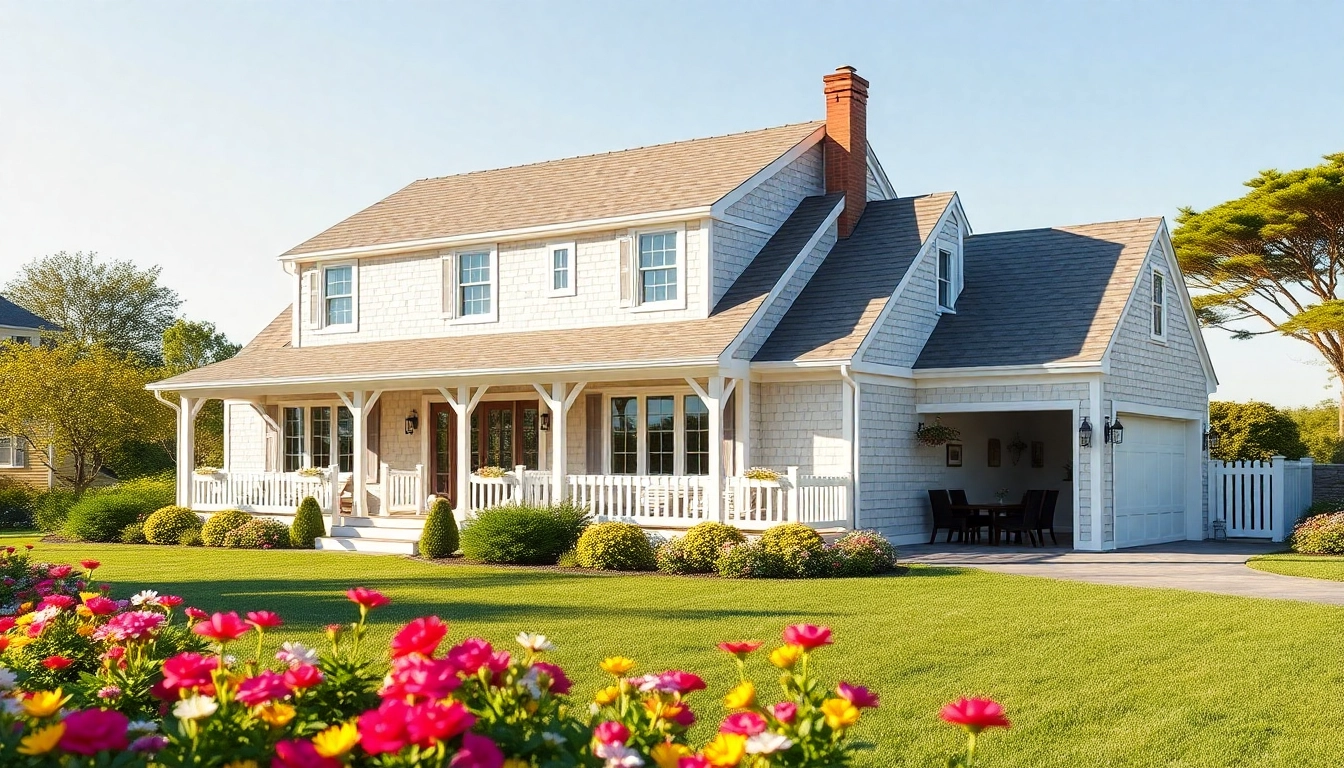
There are several hallmark features that define a Cape Cod home. The steeply pitched roof is not just an aesthetic choice; it also helps with snow runoff in colder climates. The siding, often shingled, is typically painted in muted colors, harmonizing with the natural surroundings. Many Cape Cod homes also feature large, symmetrical windows to maximize natural light—these may include classic double-hung windows or a series of casement windows that provide breezy ventilation. Additionally, the use of gables, shutters, and simple door styles contributes to the overall nautical appearance of Cape Cod homes.
Regional Variations of Cape Cod Homes
While the quintessential Cape Cod home reflects early colonial architecture, its design has been adapted regionally. For instance, homes in urban settings may incorporate more modern elements while still retaining the basic form. In contrast, coastal variations often include wider porches or larger windows to enhance views of the seaside. The Cape Cod home style also embraces materials that are locally available, leading to variations in shingles, stones, and landscaping that reflect the surrounding environment.
Planning Your Cape Cod Home Expansion
Assessing Your Current Space
Before embarking on an expansion project, it’s essential to evaluate your current living space critically. Consider the layout of your cape cod home and identify areas that may be expanded or renovated. Take stock of how your family utilizes the spaces—are there rooms that feel cramped? How often do you host guests? Understanding your usage patterns will help define your expansion goals.
Setting Goals for Your Expansion
Your expansion should cater to your specific needs. Whether your goal is to add another bedroom for growing children, an additional bathroom for convenience, or a home office for remote work, having clear objectives is crucial. Create a wish list that outlines these needs, and prioritize them based on your lifestyle and budget. This process allows you to make informed decisions during the design and construction phases.
Budgeting for Your Project
Creating a realistic budget is fundamental to the success of your expansion. Include estimates for materials, labor, and permits in your planning. It’s wise to allocate an additional 10-20% for unexpected expenses, as renovation projects often encounter surprises. Consulting with a financial advisor or a contractor can provide insights into typical costs associated with home expansions in your area, helping you gauge a suitable budget before beginning the project.
Designing an Attached Garage for Your Cape Cod Home
Choosing Appropriate Materials
When constructing an attached garage, selecting materials that complement the existing structure of your cape cod home is vital. Traditional wood siding, weather-resistant vinyl, or brick can effectively match the aesthetic of your home while ensuring durability. Make sure the roofing materials and window styles align with those used in your house to promote visual cohesion and architectural integrity.
Integrating Aesthetic Harmony
To maintain the charm of Cape Cod architecture, the design of your garage should reflect similar proportions, rooflines, and color palettes. Consider utilizing decorative elements such as matching gables, shutters, and window boxes, which enhance the curb appeal of both the garage and the home. This thoughtful integration not only preserves the traditional values of Cape Cod architecture but also boosts property values by presenting a unified front.
Maximizing Functionality and Space
Your garage can serve multiple purposes beyond parking. Consider designing it to include ample storage solutions, such as shelving or cabinets. Space-saving tools like foldable workbenches or overhead storage racks can also maximize functionality. If garage space permits, consider adding a mudroom or small entry area that connects the garage to the house, making it a practical transition zone that enhances everyday living.
Landscaping Ideas for Your Cape Cod Home
Coastal Garden Inspirations
A well-planned landscape can beautifully complement your cape cod home. Embrace coastal garden styles by incorporating native plants that thrive in sandy soil and salty air, such as beach grasses, lavender, and hydrangeas. Rock gardens and gravel paths can connect elements of your yard while providing texture and stability against coastal winds. These choices not only add visual interest but also minimize water use and maintenance.
Creating Inviting Outdoor Spaces
Create outdoor living areas that reflect the welcoming aesthetic of Cape Cod homes. Decks made of environmentally responsible materials can serve as a gathering spot for family and friends, while porches outfitted with comfortable seating become charming places to enjoy summertime breezes. Incorporating features such as fire pits or outdoor kitchens can turn your garden into a lively entertainment area.
Seasonal Maintenance Tips
Maintaining your landscape is essential, especially in coastal areas where salt spray and high winds can pose challenges. Regular pruning, weeding, and mulching can keep your gardens flourishing. Fertilize plants according to their needs and consider planting annuals that can easily be replaced each year for continuous color. Keeping pathways and outdoor furniture in good shape will ensure that your outdoor spaces remain both beautiful and functional throughout the seasons.
FAQs about Cape Cod Home Expansions
What is the ideal size for a garage attached to a cape cod home?
The ideal garage size depends on your needs, but typically, a two-car garage suits most cape cod homes.
How can I maintain the architectural style during the expansion?
Use similar materials and colors to the existing home to ensure a cohesive look and feel.
Are there design software tools for planning expansions?
Yes, software like SketchUp and Home Designer can help visualize and plan your cape cod home expansion effectively.
What landscaping is best suited for a cape cod home?
Consider coastal plants, flower beds, and flat grassy areas to enhance the curb appeal of your cape cod home.
How long does an expansion project typically take?
Depending on the scope, a home expansion can take anywhere from a few weeks to several months to complete.