
Understanding Bed Bugs and Their Habits
What are Bed Bugs?
Bed bugs are small, brownish insects that belong to the Cimicidae family. Measuring about 4 to 5 millimeters in length, they have flat bodies, which allow them to hide seamlessly in cracks and crevices. These pests primarily feed on the blood of humans and animals, typically at night. Their lifecycle involves multiple stages, beginning with eggs that hatch into new nymphs, which will mature into adults capable of reproducing within a few weeks.
Signs of Infestation
Identifying a bed bug infestation can be tricky, particularly during the early stages. Key signs include:
- Bed bug bites: Red, itchy welts often found in clusters on exposed skin.
- Blood spots: Small stains found on sheets or mattresses, indicative of bed bugs being crushed after feeding.
- Molted skins: Shed exoskeletons from immature bed bugs.
- Fecal matter: Dark spots (about the size of a pinhead) might be visible on bedding or upholstered furniture.
How Bed Bugs Spread
Bed bugs can hitch a ride on luggage, clothing, or any items brought into your home. They are often picked up in hotels, public transportation, or by sharing living spaces. Their mobility combined with their ability to hide means that a few bugs can quickly evolve into a full infestation, making early detection crucial.
Effective Bed Bug Pest Control Methods
Non-Chemical Approaches to Control
Effective bed bug pest control can be achieved without the use of chemicals. Some common non-chemical methods include:
- Heat Treatment: Raising the temperature in a room to above 120°F for several hours can kill all life stages of bed bugs.
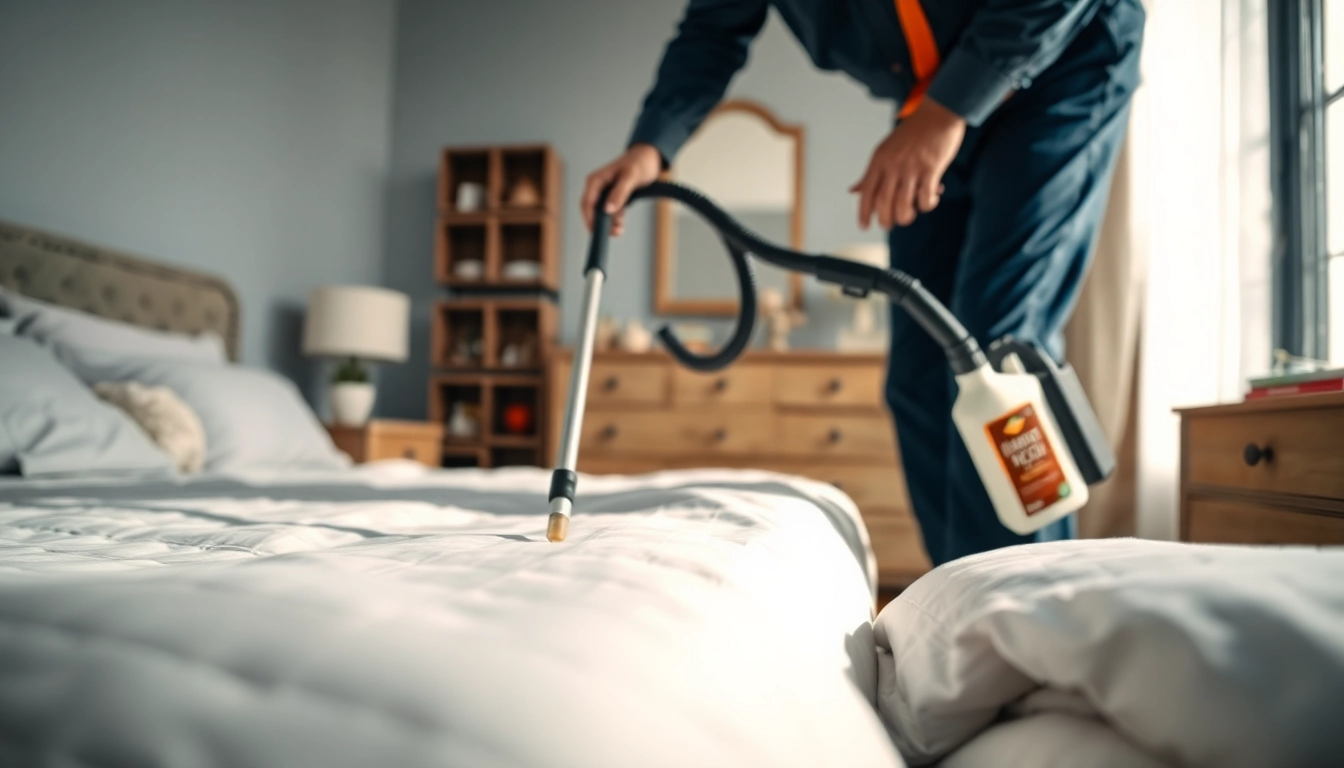
- Vacuuming: Thoroughly vacuuming affected areas helps to physically remove bed bugs and their eggs. Dispose of the vacuum contents immediately in an outside bin.
- Steam Cleaning: Using a steam cleaner on mattresses, carpets, and upholstery can effectively kill bed bugs and their eggs.
- Encasements: Specially designed mattress and box spring encasements can prevent bed bugs from entering or escaping.
Chemical Treatments and Their Applications
While non-chemical treatments are beneficial, they may not always completely eradicate a bed bug problem. Chemical treatments can complement these methods when used correctly. Common pesticides used against bed bugs include:
- Pyrethroids: A common choice, affecting the nerve functions of bed bugs.
- Desiccants: These work by dehydrating bed bugs, disrupting their ability to reproduce.
- Biorational Pesticides: These target specific pest functions, minimizing risk to humans and pets.
Importance of Professional Services
Engaging with a certified pest control service can significantly enhance effectiveness. Professionals bring invaluable expertise, advanced tools, and a comprehensive strategy that often includes an initial assessment, targeted treatment, and post-treatment monitoring. Their training in the latest methodologies ensures that treatments comply with safety regulations.
Preparing Your Home for Bed Bug Treatment
Steps to Take Before Treatment
Preparation is essential for the success of any bed bug pest control intervention. Here are some constructive steps:
- Clear Out Clutter: Reduce clutter around your home, making it easier for pest control professionals to treat the area.
- Move Furniture: Shift furniture away from walls and inspect hidden areas, allowing easier access for treatment.
- Wash Bedding: Launder all bedding in hot water to kill any bed bugs or eggs present.
Decluttering for Successful Control
Decluttering is critical. Items that pile up can provide more hiding spots for bed bugs, allowing them to breed and spread undetected. Simplifying your home not only helps with pest control but also promotes cleanliness and reduces stress.
Protecting Your Belongings
While you’re preparing your home for treatment, it’s important to protect your belongings:
- Seal Items: Place items in sealed plastic bags or containers to avoid cross-contamination.
- Furniture Covers: Use protective covers for upholstered furniture to keep them safe until treatment is complete.
- Document Valuable Items: Photograph valuable items and electronics to ensure accountability in case of damage during treatment.
Post-Treatment Care and Prevention
Maintaining a Bed Bug-Free Environment
After treatment, it’s vital to ensure that the environment remains pest-free. To maintain a bed bug pest control strategy, consider the following:
- Regular Cleaning: Maintain routine cleanliness, including vacuuming areas where bed bugs are likely to hide.
- Monitor for Signs: Be vigilant for any signs of returning bed bugs, such as bites or blood spots.
- Avoid Used Furniture: Exercise caution when bringing second-hand items into your home.
Regular Inspections and Monitoring
Conducting regular inspections can catch infestations early. Check nooks, crannies, and potential hiding places periodically to ensure there are no new pests. Consider placing proactive measures, such as bed bug interceptors, under furniture legs to monitor any activity.
Travel Tips to Avoid Infestations
Traveling can introduce bed bugs into your home. Follow these precautions while traveling:
- Inspect Hotel Rooms: Before unpacking, inspect luggage racks, bed linens, and headboards for signs of bed bugs.
- Keep Luggage Off Floors: Use luggage racks or place bags on hard surfaces to minimize contact with infested areas.
- Wash Clothes Immediately: Upon returning home, wash travel clothes in hot water and dry on high heat to kill any hitchhikers.
Frequently Asked Questions About Bed Bug Pest Control
Can bed bug pest control eliminate all bugs in one treatment?
Typically, multiple treatments are necessary to ensure complete eradication due to the complexities of bed bug life cycles. Consistency is key for success.
How much does bed bug pest control usually cost?
The cost varies based on the severity of the infestation and the treatment methods used, often ranging from several hundred to over a thousand dollars.
Are there DIY options for bed bug pest control?
Yes, several home remedies exist including steam cleaning, diatomaceous earth, and essential oils, though they may not be as effective as professional treatments.
How can I prevent future infestations?
Regular cleaning, inspection of new items, and implementing travel precautions can dramatically reduce the risk of a reinfestation.
What are the health risks of bed bugs?
While bed bugs are not known for transmitting diseases, their bites can cause severe itching, discomfort, and secondary infections from scratching.