1. Introduction to Sacramento Wineries
When discussing the remarkable wine regions of California, Sacramento often finds itself in the shadow of its more renowned counterparts like Napa and Sonoma. However, Sacramento wineries have a story to tell—one that is rich in history, diversity, and a commitment to quality. In this article, we will embark on a journey through Sacramento's wineries, exploring what makes them unique, the wines they produce, and their significant economic and cultural impact.
1.1 What Makes Sacramento Wineries Unique?
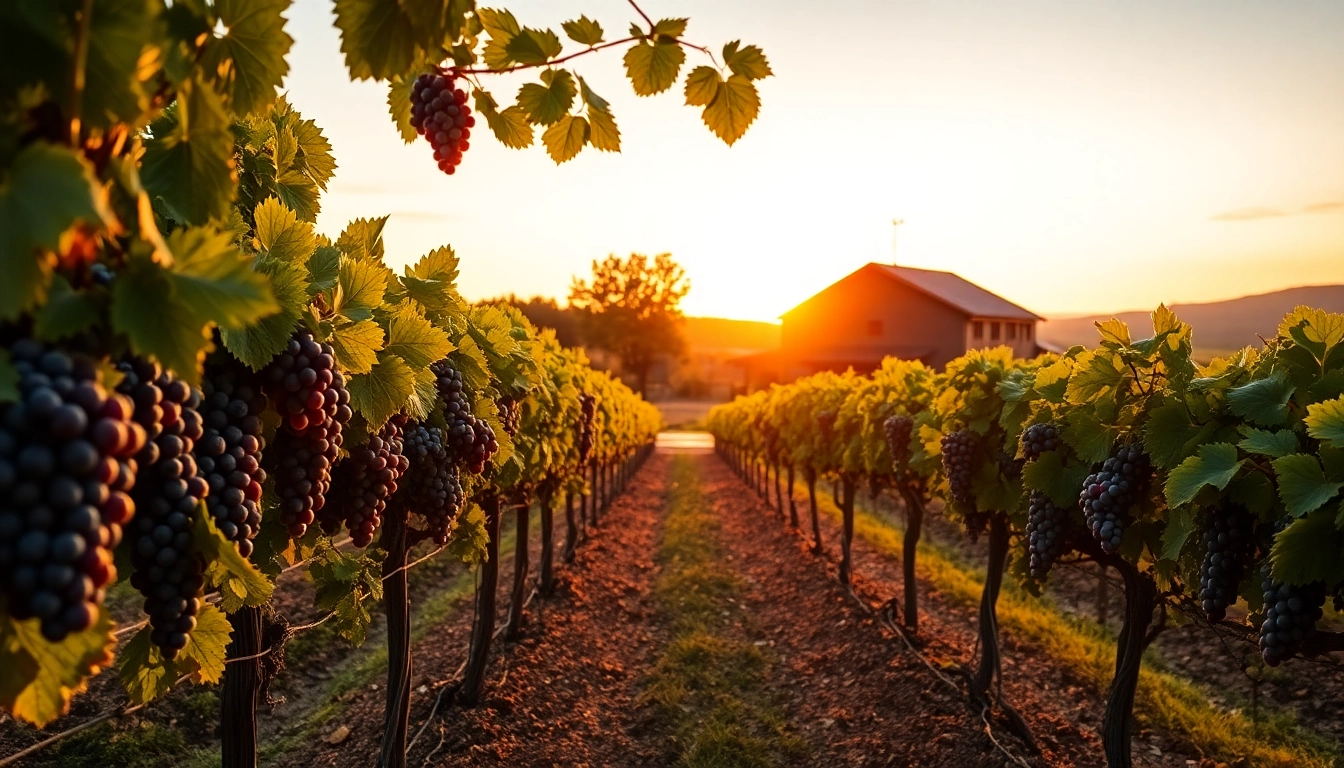
Sacramento wineries stand out due to their unique blend of climate, soil, and innovative winemaking practices. Located at the confluence of two major rivers, the Sacramento and the American, this region benefits from a Mediterranean climate characterized by warm, dry summers and cool, wet winters. This climate is perfect for growing a variety of grapes, and the diverse soils—from sandy loam to clay—allow for a wide range of flavors and styles in winemaking.
Wineries in Sacramento are also known for their focus on sustainable practices and locally sourced ingredients. Many of these wineries collaborate with local farmers and artisans, creating a vibrant ecosystem that not only supports the agricultural community but also enhances the quality of their wines.
1.2 Historical Significance of the Region
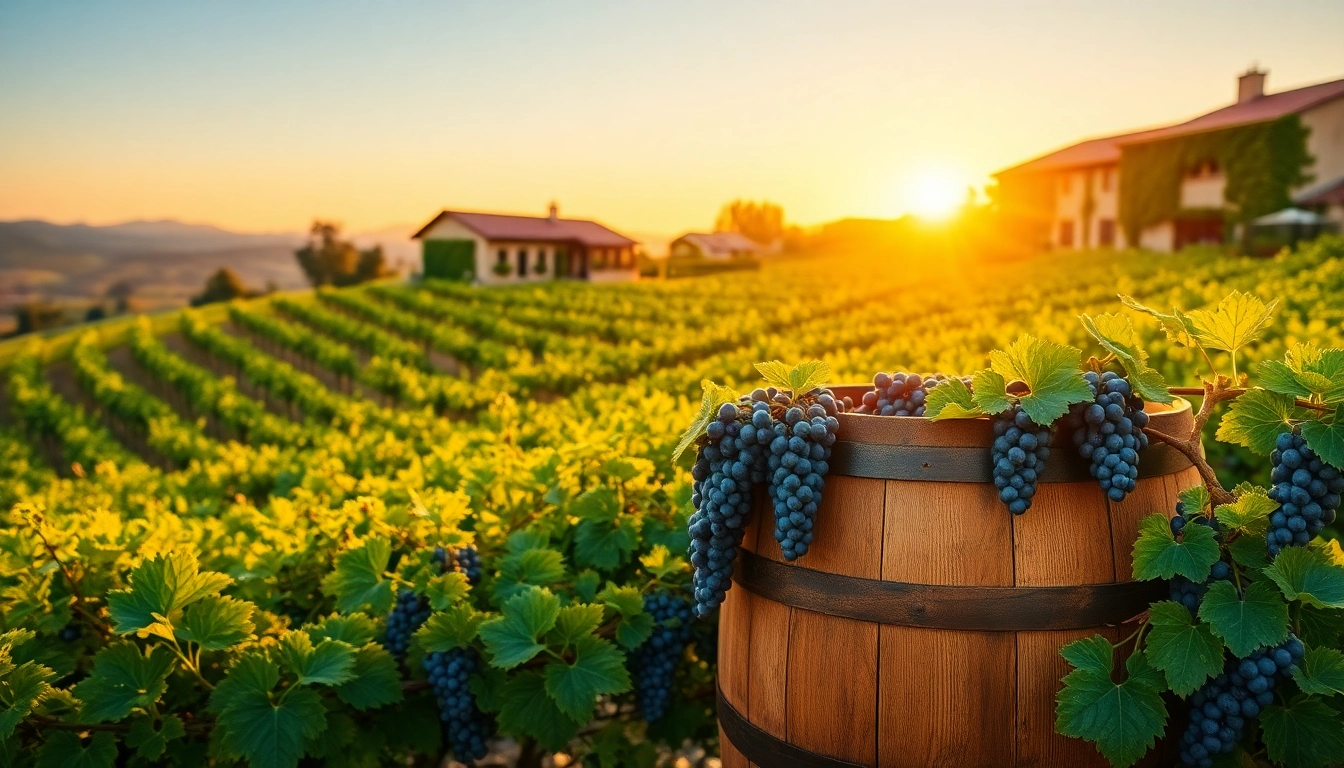
The winemaking history of Sacramento dates back to the mid-1800s when Italian and German immigrants first introduced viticulture to the area. As the state capital, Sacramento played a pivotal role during the Gold Rush, which fueled modernization and migration not only to the city but also to the surrounding agricultural regions. Although the industry faced challenges such as Prohibition, the resilience of local winemakers has led to a robust revival in recent decades, contributing significantly to California’s wine production today.
In recent years, Sacramento has garnered recognition for its nascent wine scene, with numerous awards and accolades highlighting the exceptional quality of its wines. The confluence of its rich history and a vibrant present positions Sacramento as an emerging contender in the world of wines.
1.3 Overview of Wineries in Sacramento
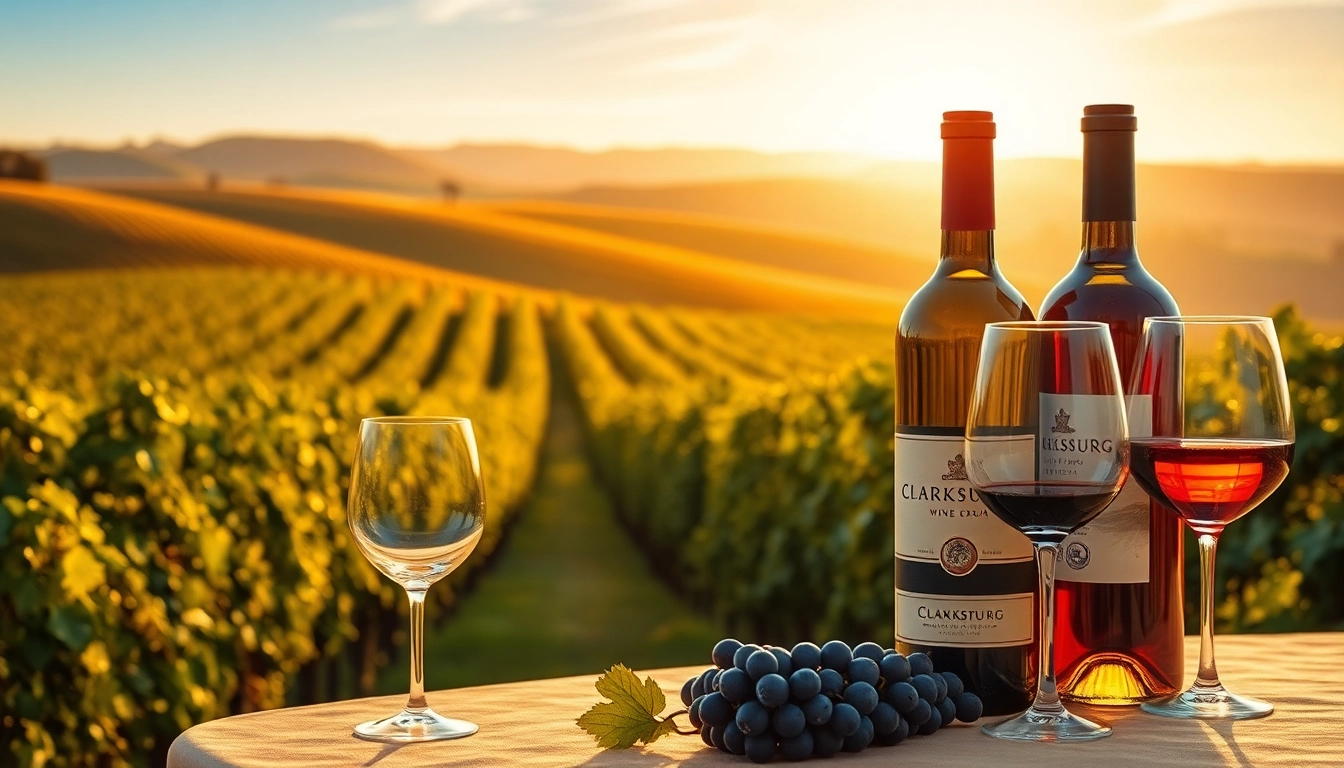
From boutique family-run operations to larger commercial enterprises, Sacramento wineries provide a wide array of tasting experiences. With over 100 wineries located within the region, there is no shortage of options for wine lovers. Some notable establishments include the well-regarded Mraz Winery, where local varietals are crafted, and Revolution Wines, which combines winemaking with a vibrant restaurant experience.
Additionally, many wineries offer unique services such as vineyard tours, wine blending workshops, and seasonal events that engage visitors and promote a deeper appreciation for their craft. The community spirit within these wineries fosters a friendly and welcoming atmosphere, perfect for both seasoned enthusiasts and newcomers to the world of wine.
2. Exploring the Wine Varieties of Sacramento
Sacramento is notable not only for its beautiful landscape but also for the diverse and exceptional wine varietals it has to offer. Exploring these varieties is an essential part of understanding the Sacramento wine experience.
2.1 Signature Grape Varieties Produced
The wines produced in Sacramento are reflective of the region’s climate and terroir. Among the most popular grape varieties are Zinfandel, Cabernet Sauvignon, and Chardonnay. Zinfandel, often considered California’s signature grape, thrives in the sandy soils of the Sacramento Valley, producing fruit-forward wines with varying flavor profiles, from jammy berries to spicy undertones. Cabernet Sauvignon wines from the region are often bold and complex, boasting rich flavors of blackcurrant and dark chocolate.
Other notable varieties include Petite Sirah and Viognier. Petite Sirah is prized for its deep color and rich, concentrated flavors, while Viognier offers a floral bouquet and stone fruit notes that pair perfectly with the local cuisine. The diversity in grape varieties enables wineries to cater to various palates, making wine tasting in Sacramento a truly enriching experience.
2.2 How Terroir Influences Flavor Profiles
Terroir, a French term that refers to the unique characteristics imparted by a vineyard's geography, geology, and climate, plays a significant role in the wines produced in Sacramento. The region's proximity to the Sacramento and American rivers creates a distinct microclimate, offering both moisture and biodiversity. The diverse soil composition across different vineyards imparts unique characteristics to the grapes, affecting their flavor profiles and overall quality.
For instance, vineyards on well-drained gravel soils often yield wines with bright acidity and elegance, while those on clay soils may produce richer, fuller-bodied wines. The interplay between environmental factors and vineyard management practices also determines the final product, allowing winemakers to express the distinct personality of their land through their wines.
2.3 Tasting Notes of Popular Local Wines
When visiting Sacramento wineries, wine lovers can expect to encounter a variety of tasting notes that reflect the region's unique terroir. For example, a Zinfandel from the Sacramento area might display intense aromas of raspberry and cherry, coupled with hints of black pepper and vanilla, culminating in a medium to full-bodied wine with a slightly sweet finish.
Cabernet Sauvignon, on the other hand, may reveal complex flavors of cassis and dark plum, complemented by subtle notes of cedar and baking spices. These wines often showcase rich tannins and well-balanced acidity, making them excellent candidates for aging. Chardonnay wines here can range from crisp and clean with green apple and citrus notes to rich and buttery with hints of toasty oak, reflecting the stylistic choices of individual winemakers.
3. Visiting Sacramento Wineries: Tips and Tricks
A visit to Sacramento’s wineries can be a delightful experience, but a little planning goes a long way in making the most of your adventure. Here are some tips to enhance your winery visits.
3.1 Best Times to Visit for Wine Tasting
The best time to visit Sacramento wineries is during the spring and fall seasons. Spring showcases lush vineyards and blooming flowers, while fall brings about the harvest season, allowing visitors to witness the winemaking process firsthand. Weekdays tend to be less crowded than weekends, offering a more relaxed tasting experience.
Additionally, many wineries host special events during harvest season, including grape stomping, wine clubs, and festivals that celebrate regional wines. Planning your visit around these events can greatly enhance your winery experience, allowing you to engage with winemakers and gain insights into the local wine culture.
3.2 How to Plan Your Winery Tour
Planning a winery tour can be exciting yet overwhelming given the options available. Start by researching the wineries that interest you most, whether it's based on specific wines, tasting experiences, or unique amenities. Creating an itinerary that considers location and hours of operation can lead to a more enjoyable experience.
Don't forget to check if reservations are required, especially for popular wineries or during peak times. Many establishments also offer guided tours or tasting flights, which can help you discover new wines and understand their unique flavor profiles more deeply.
3.3 Special Events and Festivals to Attend
Sacramento's wine scene is vibrant and lively, featuring many events and festivals throughout the year. One of the highlights is the annual Sacramento Wine and Food Festival, where local wineries gather to showcase their best offerings paired with gourmet cuisine from local chefs. This event is a fantastic opportunity to explore the region's diversity of flavors and meet the winemakers behind them.
Additionally, many wineries host seasonal events such as harvest festivals, art exhibitions, and live music nights. Participating in these events not only amplifies your winery experience but also fosters a sense of community and connection to the local culture.
4. The Economic Impact of Wineries on Sacramento
Wineries play a crucial role in Sacramento’s economy, contributing to tourism, agriculture, and job creation. Their impact extends far beyond the bottles they produce.
4.1 Wineries as a Boost for Local Tourism
Wineries are a significant driver of tourism in Sacramento, attracting visitors from both nearby and far beyond. Wine enthusiasts flock to the area not only for the wines but also for the beautiful landscapes, dining options, and the overall experience. Tourists visiting wineries often contribute to the local economy by dining at restaurants, shopping at local boutiques, and booking accommodations.
According to recent studies, wine tourism can lead to increased spending on local experiences, which in turn supports numerous sectors, including hospitality, agriculture, and retail. The wineries in Sacramento have created an inviting environment that encourages spending and exploration, ensuring a thriving tourism sector.
4.2 Collaboration with Local Farmers and Producers
The relationship between Sacramento wineries and local farmers is essential for the sustainability of the region's agricultural economy. Many wineries source their grapes and produce from local farms, fostering a collaborative environment that supports local agriculture.
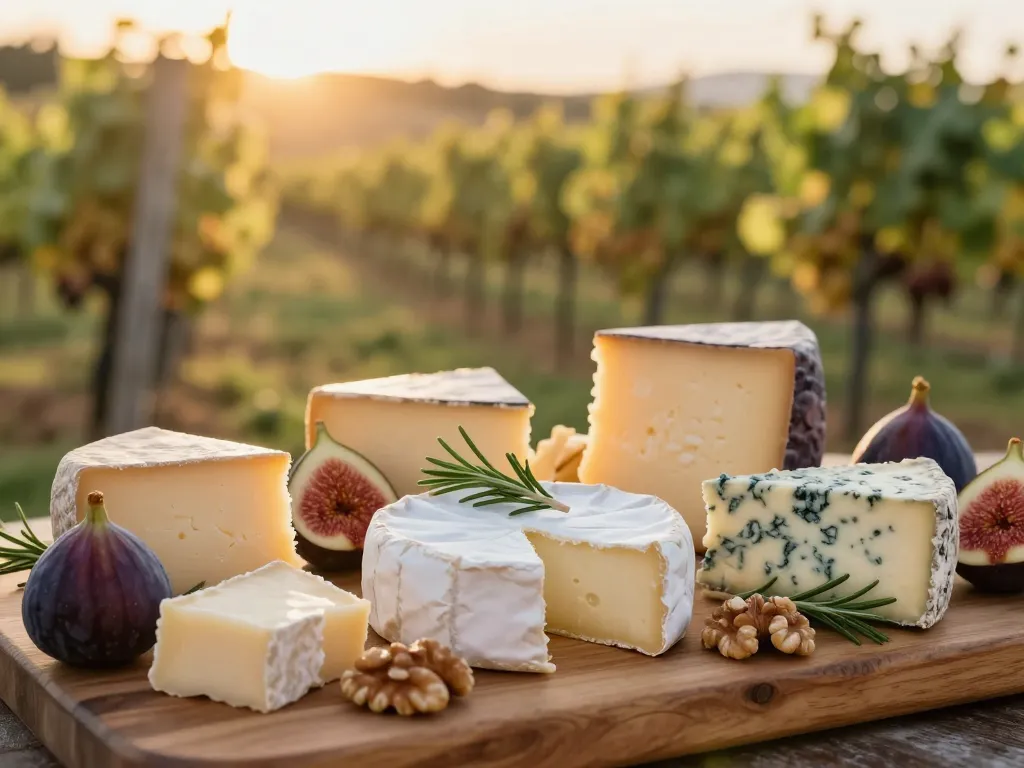
This not only benefits wineries through enhanced quality and freshness but also provides farmers with a reliable market for their crops. Additionally, wineries often stock locally crafted products—such as cheese, cured meats, and artisanal breads—creating a farm-to-table experience that celebrates the best of Sacramento's bounty.
4.3 Job Creation and Economic Growth
The success and expansion of wineries also contribute significantly to job creation within the region. From vineyard workers and cellar hands to hospitality staff and marketing professionals, wineries provide diverse employment opportunities that support the local workforce.
Moreover, as wineries grow and attract more visitors, they often need to expand their operations, which can lead to additional job creation in associated sectors. This ripple effect positively impacts the local economy, ensuring a sustainable future for Sacramento's agricultural and tourism sectors.
5. Conclusion: The Future of Sacramento Wineries
As we look toward the future, Sacramento wineries are poised for exciting changes that promise to enhance their reputation in the wine world. Here are some trends shaping their journey ahead.
5.1 Trends in Wine Production
One notable trend in Sacramento is the growing interest in lesser-known grape varieties. As consumers become more adventurous, wineries are experimenting with grapes like Grenache, Tempranillo, and Petit Verdot, providing an opportunity to showcase the region's diversity. Emphasis on small-batch wines and more artisanal techniques also signifies a shift towards quality over quantity, ensuring that each bottle tells a unique story.
Additionally, advancements in technology and winemaking techniques are leading to innovations that enhance the quality and consistency of wines, promising a bright future for the region's offerings.
5.2 Sustainable Practices in Winemaking
As environmental awareness grows, many Sacramento wineries are adopting sustainable practices to minimize their ecological footprint. From organic farming methods to utilizing renewable energy sources, these initiatives demonstrate a commitment to preserving the land while producing high-quality wines. Sustainable practices not only contribute to the overall health of the ecosystem but also resonate with consumers who prioritize environmentally conscious products.
Wineries are also focusing on water conservation, waste reduction, and organic certifications, ensuring that their operations remain viable while caring for the environment.
5.3 What’s Next for Sacramento’s Wine Scene?
The future of Sacramento's wine scene is rich with enthusiasm and promise. As more wineries emerge and existing ones continue to innovate, wine lovers can expect an ongoing evolution in flavors, brands, and tasting experiences. The emphasis on community collaboration, sustainability, and embracing new varietals will keep the region dynamic and full of surprises.
In conclusion, Sacramento wineries not only celebrate a rich heritage but also look ahead to a future that embraces innovation and sustainability. By supporting local wineries, visitors not only indulge in exceptional wines but also contribute to the growth and vitality of this vibrant region.