
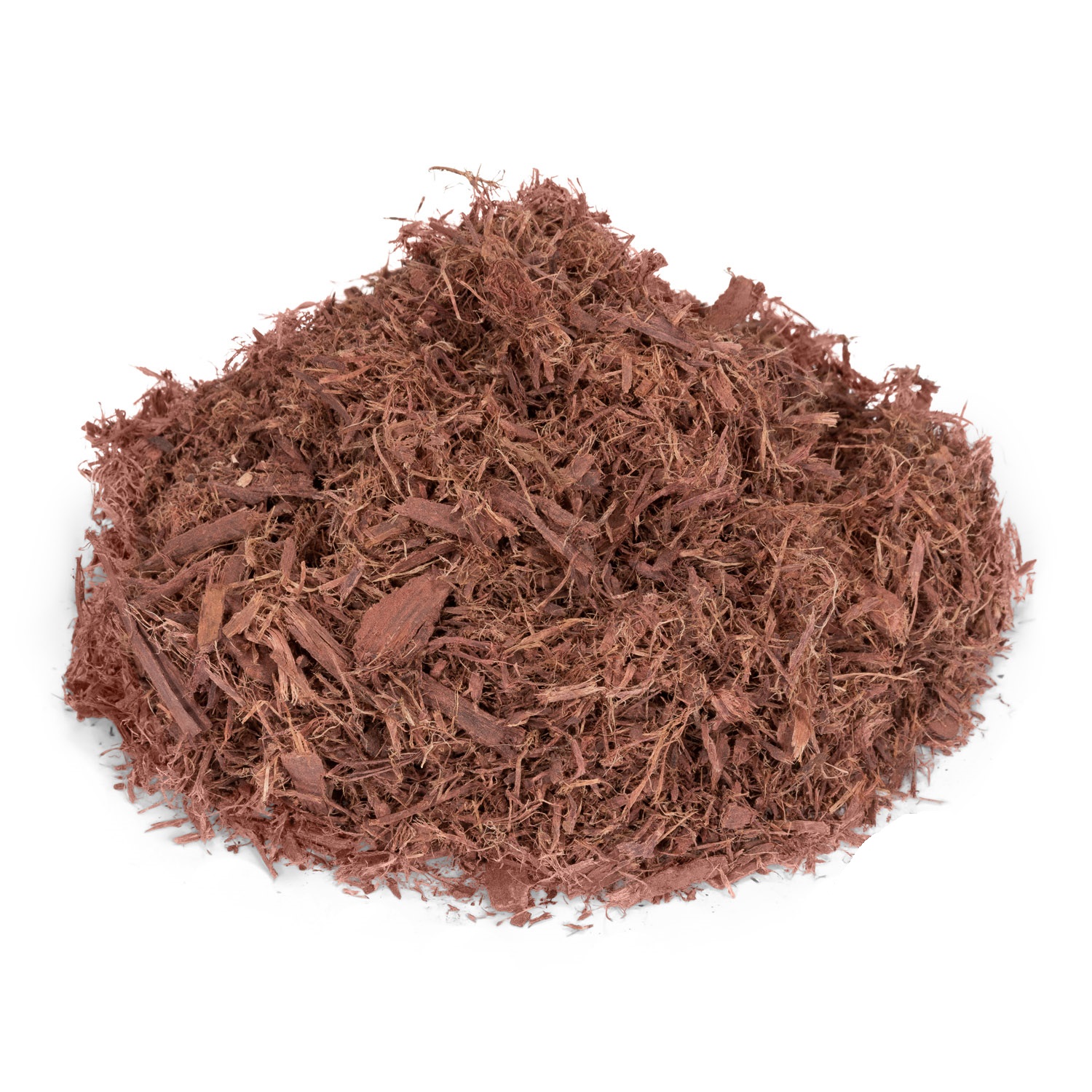
Natural dyes allow artisans to create expressive, earthy colors that carry depth, history, and individuality. Among these plant-based colorants, Alkanet red dye stands out for its ability to produce a beautiful spectrum of purples, reds, and burgundy tones. Whether you’re dyeing yarn, fabric, wood, leather, or handmade crafts, mastering Alkanet red dye techniques opens the door to vibrant, botanical color that cannot be replicated by synthetics. This guide explores methods, preparation steps, creative approaches, and tips to help you unlock the richest results when working with Alkanet red dye.
- Understanding the Nature of Alkanet Red Dye
- Preparing Alkanet Red Dye for Strong Color
- Preparing Materials for Dyeing
- Techniques to Unlock Rich Reds with Alkanet Red Dye
- Applying Alkanet Red Dye to Different Materials
- Expert Tips for Perfecting Alkanet Red Dye Techniques
- Creative Projects That Benefit from Alkanet Red Dye
- Conclusion
Understanding the Nature of Alkanet Red Dye
A Botanical Dye Rooted in Tradition
Derived from the roots of the Alkanna tinctoria plant, Alkanet red dye has been used for centuries across Europe and the Middle East. Its pigment, naphthoquinone, produces a range of hues that shift beautifully depending on mordants, fiber type, and pH levels.
Why the Dye Is Highly Valued
Artisans love Alkanet red dye because it provides natural variation, deep earthy tones, and long-lasting color. Its ability to create subtle to intense reds makes it ideal for projects where organic beauty is essential.
Preparing Alkanet Red Dye for Strong Color
Heat Extraction
Simmering the roots gently in water releases soft, dusty pigments. This is perfect for muted purples or vintage-inspired tones created through Alkanet red dye.
Alcohol Extraction
To unlock deeper reds, many artisans soak the roots in alcohol. This method intensifies pigment and allows Alkanet red dye to reach its richest purples and burgundy shades.
Adjusting pH to Shift Color
One of the most powerful ways to unlock deeper tones is by manipulating pH:
- With acid, Alkanet red dye leans toward warm red.
- With alkaline, it shifts into deep violet or plum.
This flexibility gives creators full control over the final shade.
Preparing Materials for Dyeing
Scouring for Better Absorption
Before using Alkanet red dye, fibers should be cleaned thoroughly. Removing oils, residues, or coatings ensures even color and stronger bonding.
Mordanting for Longevity
Alum is the most common mordant for enhancing how Alkanet red dye attaches to fibers. For darker tones, iron mordant is particularly effective, pushing the dye toward intense purples or smoky reds.
Techniques to Unlock Rich Reds with Alkanet Red Dye
The Long-Soak Method
Allowing fibers to sit in the dye bath overnight or longer helps deepen the final shade. This slow process lets Alkanet red dye fully penetrate fabric or yarn.
Heat Control for Color Precision
Gentle heating preserves the vibrancy of Alkanet red dye, while high heat may dull the color. Maintaining a warm, steady temperature is key for richer tones.
Layered Dyeing
Overdyeing is a powerful technique. Applying Alkanet red dye over colors like weld, logwood, or madder creates complex, dimensional reds. This technique is especially effective for textile artists seeking signature shades.
Using Concentrated Dye Baths
For bold results, some artisans create a highly concentrated bath by increasing the amount of root relative to water. This enriches the final outcome of Alkanet red dye significantly.
Applying Alkanet Red Dye to Different Materials
Wool, Silk, and Protein Fibers
Protein fibers absorb Alkanet red dye beautifully, creating deep violet-reds and burgundy hues. These materials work perfectly for shawls, woven textiles, and handspun yarns.
Cotton, Linen, and Plant Fibers
Although plant fibers require more preparation, they reveal soft, elegant tones when dyed with Alkanet red dye. This makes them ideal for natural garments, quilting fabric, and home décor pieces.
Wood and Leather Coloring
Alcohol-extracted Alkanet red dye serves as an excellent stain for wood and leather. Craftspeople use it on carved items, boxes, journals, and accessories to create warm, natural tones.
Handmade Paper and Mixed Media
Paper artists use Alkanet red dye to add botanical washes, marbled textures, and antique-style backgrounds. The dye also works well as a natural pigment in inks and paints.
Expert Tips for Perfecting Alkanet Red Dye Techniques
Keep Detailed Notes
Because natural dyes vary, tracking pH changes, mordant strength, soak time, and extraction method is essential for consistent results.
Experiment with Small Samples
Before dyeing large batches, test Alkanet red dye on small fiber samples to preview how the color develops.
Store Dyes Properly
Keep dried roots or prepared dye solutions in airtight containers to preserve the strength of Alkanet red dye for future projects.
Combine Botanical Dyes
Pairing Alkanet red dye with other plant dyes opens up endless color possibilities. This allows you to create custom tones that set your work apart.
Creative Projects That Benefit from Alkanet Red Dye
- Handwoven scarves or wraps
- Naturally dyed dresses or shirts
- Home décor fabrics and table linens
- Leather-bound journals
- Wooden utensils or carved items
- Botanical artwork and mixed-media crafts
- Handmade papers and stationery
Each project gains warmth, richness, and character when infused with Alkanet red dye.
Conclusion
Unlocking rich reds with Alkanet red dye is both an art and a craft. By experimenting with extraction methods, pH levels, mordants, and slow-dyeing techniques, artisans can achieve vibrant, expressive colors that honor traditional botanical dyeing. Whether applied to textiles, wood, leather, or handmade art, Alkanet red dye offers unparalleled depth and natural beauty—making it an essential pigment for creators who value authenticity and sustainable color.