
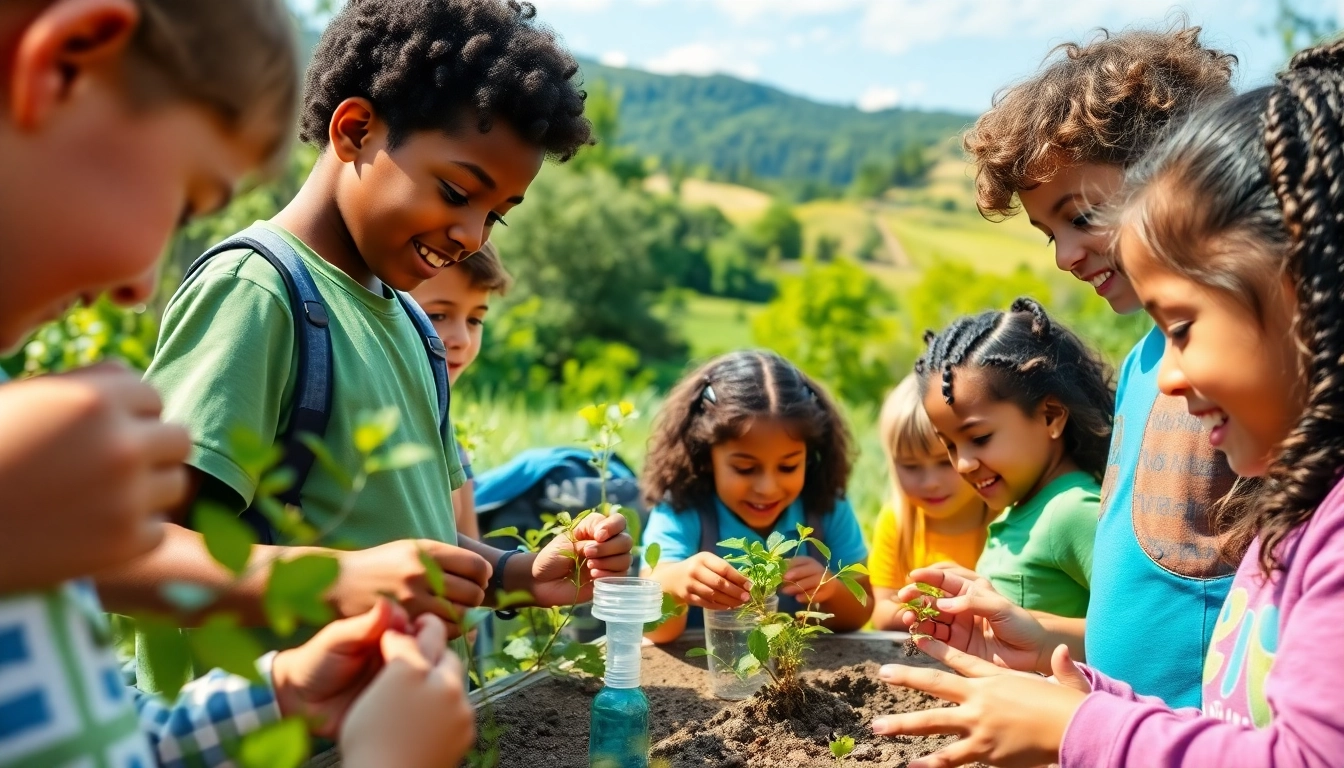
Introduction to Science and Nature Camp
As childhood increasingly shifts toward indoor activities and technology, the significance of outdoor education is paramount. Science and nature camps serve not only as a recreational escape but also as an essential educational experience fostering a child’s inquiry-based learning. By immersing participants in the sciences and surrounding ecosystems, these camps cultivate a deep appreciation for the environment and encourage exploration. For parents seeking enriching summer experiences for their kids, a science and nature camp might be the perfect fit, blending learning with adventure.
What is a Science and Nature Camp?
A science and nature camp offers children ages 5 to 17 an opportunity to engage in structured educational and fun outdoor activities that focus on scientific concepts and nature appreciation. These camps typically feature hands-on experiments, outdoor exploration, and creative projects that relate to various scientific fields, including ecology, biology, and environmental science. The aim is to foster curiosity and encourage a love for nature while developing critical thinking and scientific reasoning skills.
Benefits of Attending
Participating in a science and nature camp provides numerous benefits for young minds. First, these camps encourage outdoor physical activity which is crucial for physical health and well-being. In addition to health benefits, campers develop friendships and social skills through collaborative activities. Emotionally, the experience often boosts confidence and independence as children tackle new challenges. Cognitively, they engage in hands-on learning that reinforces classroom knowledge through real-world applications.
Who Can Participate?
Science and nature camps cater to a wide range of ages and interests. Typically geared towards children from grades K through 12, these camps also provide specialized programs for different age groups, ensuring participants engage in age-appropriate activities. Generally, parents can enroll their children in camps based on skill level and interest areas, accommodating beginners to advanced young naturalists. The diverse programs guarantee that every child can find a niche within the framework of science and nature education.
Activities Offered at Science and Nature Camp
Hands-on Science Experiments
One of the hallmarks of science camps is the engaging hands-on experiments integrated into daily activities. Participants may explore various scientific principles through engaging, supervised activities such as physics challenges, chemistry experiments, and biology projects. The hands-on approach not only makes learning fun but also enhances retention. Examples include water filtration experiments, plant biology studies, and experiments demonstrating chemical reactions, all designed to instill scientific inquiry and inspire creativity.
Outdoor Exploration Activities
Nature camps emphasize outdoor exploration as a means to connect with the environment. Campers may participate in guided hikes, wildlife spotting, bird watching, or even geographic exploration focused on understanding local ecosystems. Through these experiences, children learn about biodiversity, ecological balance, and environmental conservation. Such outdoor activities also encourage respect for nature and the importance of preserving natural habitats.
Creative Arts and Crafts
Creativity plays a key role within science and nature camps, allowing children to express their learnings through art. Craft activities may include nature journals, eco-friendly art projects, and science-themed crafts. Incorporating arts within science education enhances creativity and allows campers to reflect on their experiences engagingly. For example, after a nature hike, campers can create artworks based on observed flora and fauna, reinforcing their connection to the ecosystem.
Choosing the Right Science and Nature Camp
Factors to Consider
When selecting the ideal science and nature camp, several factors should be taken into account. Evaluating the camp’s curriculum, including its focus on hands-on science, outdoor activities, and creative engagements, is essential. Additionally, consider the camp’s location, duration, and overall structure. Some camps may specialize in specific scientific fields or focus on environmental conservation, adding value to the selection process for discerning parents.
Location and Accessibility
Accessibility is an important factor to consider when choosing a camp. Ideally, parents should select a camp that is not only conveniently located but also provides suitable transportation arrangements. Camps located near natural habitats—such as forests, lakes, or parks—often provide enriching experiences that enhance the educational component through direct engagement with nature. Verifying the camping facilities and amenities is also recommended to ensure safety and comfort for campers.
Age-Appropriate Programs
Different age groups have varying comprehension levels and interests, making age-appropriate programming crucial. Many science and nature camps offer tiers of programming according to age and skill level to ensure that activities challenge campers without overwhelming them. Programs should be sufficiently versatile to accommodate a broad range of interests, appealing to both budding scientists and young artists alike.
What to Expect at Science and Nature Camp
Daily Schedule Overview
While schedules may vary from camp to camp, a typical day at a science and nature camp comprises structured activities that balance learning with recreation. Mornings might start with hands-on science activities, followed by outdoor exploration sessions, with afternoons providing time for art and group projects. An example daily schedule could include a morning science experiment, lunch, a guided nature hike, and a creative workshop. Flexibility is often integrated into the schedule to adapt to the participants’ interests and needs.
Safety and Supervision Guidelines
Safety remains a priority in any camp setting. Science and nature camps typically adhere to strict supervision guidelines, ensuring adequate adult-to-camper ratios. Counselors are usually trained in first aid, CPR, and emergency response protocols. Camps also provide briefings on outdoor safety and environmental protocols, such as wildlife safety and the importance of minimal environmental impact, enhancing the campers’ understanding of how to engage safely and responsibly with nature.
Parent Involvement Opportunities
Engaging parents in the camp experience can strengthen community ties and foster a well-rounded environment. Many camps encourage volunteer opportunities for parents to assist with activities or serve as guest speakers. This involvement helps parents appreciate their child’s experiences firsthand while contributing positively to camp dynamics. Frequent communication between camp counselors and parents regarding camp activities and their child’s progress is vital for building trust.
Frequently Asked Questions about Science and Nature Camp
What age groups are suitable for science and nature camp?
Science and nature camps typically cater to children aged 5 to 17, with programs designed for various age categories to ensure appropriate challenge levels.
What should campers bring to the science and nature camp?
Campers should bring essentials such as sunscreen, water bottles, lunch, comfortable clothing, a notebook for observations, and any necessary medical supplies.
How is the camp structured day-to-day?
A typical day includes morning science experiments, outdoor exploration, lunch breaks, and afternoon creative arts, aimed at balancing fun with education.
Are meals provided during the camp?
Most camps either provide meals or encourage campers to bring their own. Parents should check specific camp policies and meal plans beforehand.
What outdoor safety measures are implemented?
Camps enforce strict safety protocols, including trained staff, emergency response plans, and educational sessions on wildlife safety to ensure a secure environment for campers.