
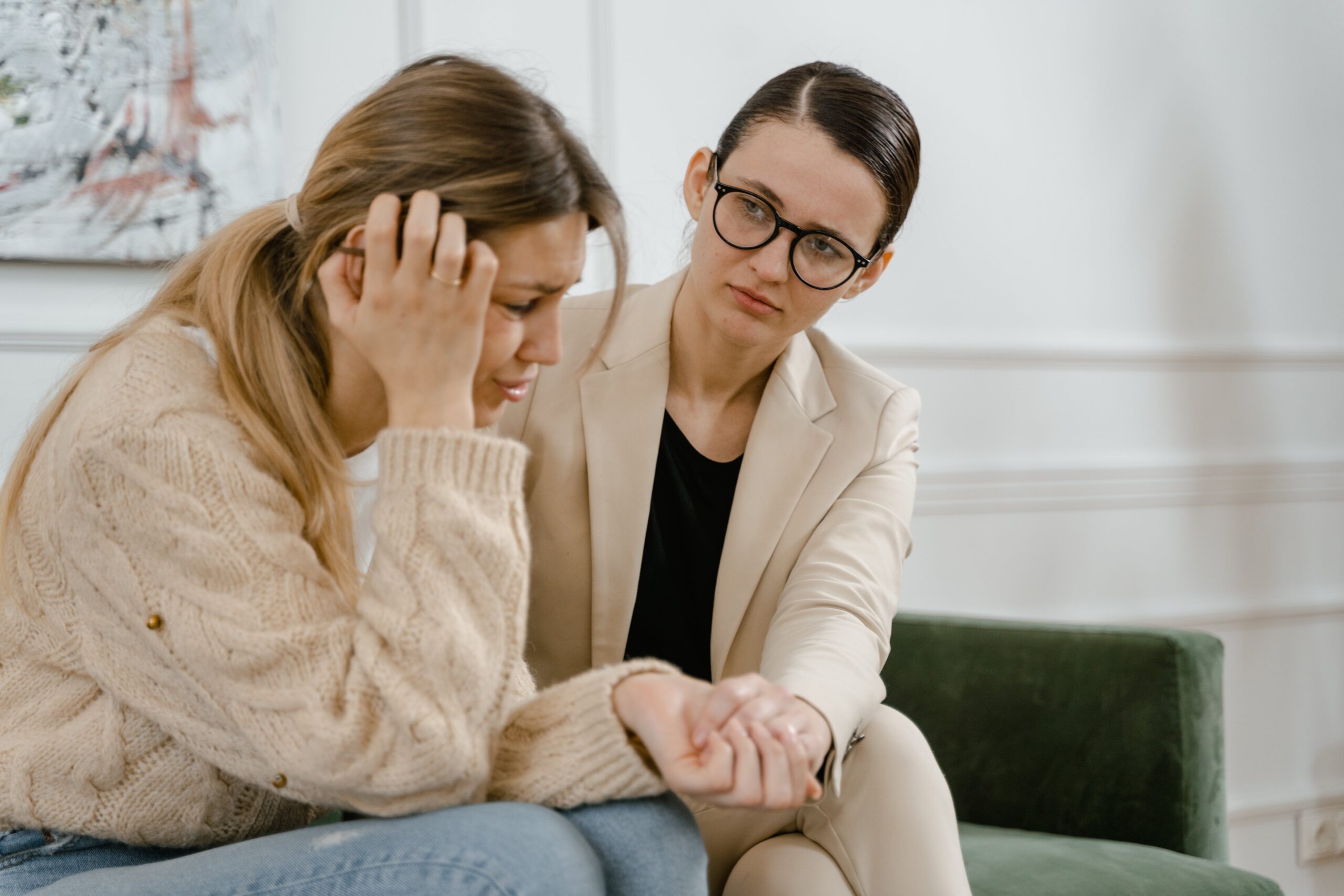
Anxiety is a natural human response to stress, uncertainty, or danger. Everyone experiences anxiety at some point, but when it becomes overwhelming or constant, it can affect daily life, relationships, and personal well-being. Recognizing Anxiety symptoms early in life is crucial to manage them effectively and maintain emotional health. This article will explain these symptoms clearly and offer practical coping strategies that anyone can use to regain control and improve their quality of life.
Understanding Anxiety Symptoms
Anxiety manifests in various ways, both physically and mentally. It is important to recognize the signs to address them early. Anxiety symptoms can range from mild to severe and may include a combination of physical, emotional, and behavioral indicators.
Physical Symptoms of Anxiety
The body often reacts to anxiety through noticeable physical changes. Some common anxiety symptoms include:
- Rapid heartbeat or palpitations
- Shortness of breath or hyperventilation
- Muscle tension or trembling
- Sweating or chills
- Headaches or dizziness
- Upset stomach, nausea, or digestive issues
- Fatigue or insomnia
For example, Sarah, a high school student, often experiences a racing heart and stomach discomfort before exams. These physical sensations are classic anxiety symptoms that signal her body’s stress response.
Emotional Symptoms of Anxiety
Anxiety does not only affect the body; it also impacts the mind. Emotional anxiety symptoms can include:
- Excessive worry or fear about everyday situations
- Irritability or mood swings
- Feeling overwhelmed or unable to cope
- Difficulty concentrating or making decisions
- A sense of impending doom or danger
John, a young professional, constantly feels nervous before work presentations. He experiences persistent worry and irritability, which are key emotional anxiety symptoms.
Behavioral Symptoms of Anxiety
Anxiety can influence behavior, sometimes subtly. Look for these behavioral anxiety symptoms:
- Avoidance of certain situations or people
- Procrastination or difficulty completing tasks
- Restlessness or fidgeting
- Nail-biting, pacing, or other repetitive behaviors
- Social withdrawal or isolation
For instance, Emma stopped attending social events because of her fear of judgment. Avoidance is a behavioral anxiety symptom that can worsen feelings of isolation and stress.
Causes of Anxiety Symptoms
Understanding the causes of anxiety can help in managing it effectively. Common triggers include:
Biological Factors
Some people may have a genetic predisposition to anxiety disorders. Brain chemistry, hormonal imbalances, or an overactive stress response system can contribute to anxiety symptoms.
Environmental Factors
Stressful life events such as moving to a new city, school pressures, job stress, or family conflicts can trigger anxiety. Ongoing stress creates a cycle where anxiety symptoms persist and intensify.
Psychological Factors
Negative thinking patterns, perfectionism, or past trauma can lead to anxiety. People who frequently overthink or fear making mistakes often develop long-term anxiety symptoms.
Social Factors
Peer pressure, bullying, or a lack of social support can contribute to anxiety. Feeling isolated or misunderstood can intensify emotional and behavioral anxiety symptoms.
Recognizing Anxiety Early
Identifying anxiety symptoms early can prevent them from becoming severe. Some early warning signs include:
- Frequent worry about minor issues
- Physical tension or unexplained aches
- Trouble sleeping or frequent nightmares
- Avoiding situations that cause discomfort
- Sudden mood changes without clear reasons
Parents, teachers, and friends should notice these changes in children or teenagers, as early intervention can improve coping skills and emotional resilience.
Coping Strategies for Anxiety Symptoms
While professional help is essential for severe anxiety, many practical strategies can help manage daily anxiety symptoms.
1. Breathing Techniques
Deep breathing helps calm the nervous system. A simple method is the 4-7-8 technique:
- Inhale for 4 seconds
- Hold your breath for 7 seconds
- Exhale slowly for 8 seconds
Practicing this several times a day can reduce racing thoughts and physical tension.
2. Mindfulness and Meditation
Mindfulness involves focusing on the present moment without judgment. Meditation exercises can reduce worry and improve emotional regulation. Apps, guided recordings, or simple daily practice can make mindfulness accessible for everyone.
3. Physical Activity
Exercise releases endorphins, which naturally reduce stress. Activities like walking, jogging, swimming, or yoga can help ease physical anxiety symptoms such as tension and restlessness.
4. Healthy Lifestyle Choices
- Maintain a balanced diet rich in fruits, vegetables, and whole grains
- Limit caffeine and sugar intake, which can worsen anxiety
- Ensure adequate sleep every night
- Reduce alcohol consumption and avoid smoking
A healthy lifestyle can strengthen the body and mind against stress, reducing anxiety symptoms naturally.
5. Journaling
Writing down thoughts and feelings can help process worries and identify triggers. Journaling allows for reflection, which can reduce emotional overload and promote problem-solving.
6. Cognitive Behavioral Techniques
Cognitive Behavioral Therapy (CBT) helps change negative thought patterns. Identifying irrational fears and replacing them with realistic thoughts can significantly reduce anxiety symptoms. Even self-help CBT exercises can be effective when practiced consistently.
7. Social Support
Talking to friends, family, or support groups can provide relief. Sharing feelings reduces isolation and normalizes experiences of anxiety. Supportive relationships are a key buffer against emotional stress.
8. Professional Help
If anxiety symptoms interfere with daily life, consulting a psychologist, counselor, or psychiatrist is essential. Therapy, counseling, or medication can help manage anxiety safely and effectively.
Real-Life Example: Managing Anxiety Symptoms
Consider Alex, a college student experiencing panic attacks before exams. Alex uses a combination of strategies: deep breathing, meditation, exercise, and talking to a counselor. By practicing these coping methods daily, Alex reduced the intensity of anxiety symptoms, improved concentration, and regained confidence in facing challenges.
Common Misconceptions About Anxiety Symptoms
Many people misunderstand anxiety. It is not a sign of weakness or failure. Experiencing anxiety symptoms is normal, and seeking help is a sign of strength. Another misconception is that avoiding stress always helps. In reality, avoiding situations can worsen anxiety in the long term. Learning coping strategies is far more effective.
Long-Term Benefits of Managing Anxiety
Early recognition and proactive management of anxiety symptoms can lead to lasting benefits:
- Improved mental and physical health
- Stronger relationships and social connections
- Enhanced academic or work performance
- Greater self-awareness and emotional regulation
- Reduced risk of chronic anxiety disorders
Taking small steps daily to manage anxiety can create a foundation for a calmer, more balanced life.
Conclusion
Recognizing anxiety symptoms early and applying practical coping strategies can significantly improve emotional health and overall well-being. Whether through mindfulness, breathing exercises, healthy lifestyle choices, journaling, or professional support, managing anxiety is possible for everyone. Calm Minds Hub emphasizes understanding, compassion, and evidence-based practices to help you navigate anxiety effectively. By taking action today, you can regain control over your emotions, strengthen resilience, and lead a fulfilling life. Head back to the main site to explore insights tailored to your needs.
FAQs
What are the most common anxiety symptoms?
The most common anxiety symptoms include excessive worry, restlessness, irritability, difficulty concentrating, rapid heartbeat, shortness of breath, and sleep disturbances. These symptoms can affect both physical and emotional well-being.
How can I cope with anxiety symptoms at home?
Coping strategies at home include practicing deep breathing, mindfulness, regular exercise, maintaining a healthy lifestyle, journaling, and seeking social support. Combining these methods can reduce stress and improve emotional balance.
When should I seek professional help for anxiety symptoms?
Seek professional help if anxiety interferes with daily life, causes panic attacks, or persists for an extended period. Psychologists, counselors, and psychiatrists can provide therapy, counseling, or medication to manage anxiety safely and effectively.