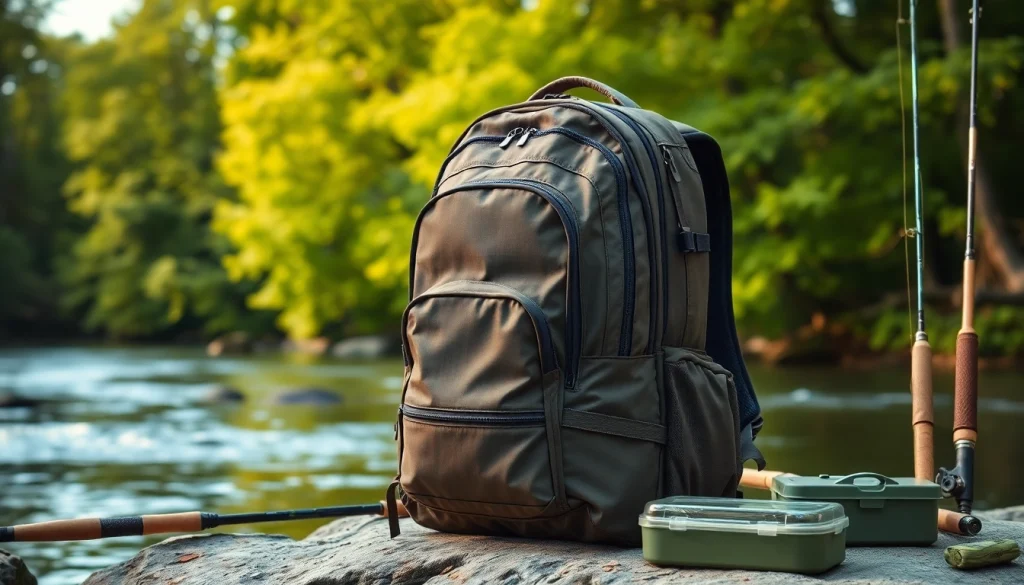
Understanding the Importance of a Fly Fishing Backpack
For anglers, fly fishing is not only a passionate hobby but often a way of life. To enhance the overall fishing experience, having the right gear is essential. A fly fishing backpack plays a pivotal role in ensuring that all necessary equipment is organized, accessible, and protected. When you’re out in nature, having a well-designed backpack can make the difference between an enjoyable day on the water and a stressful outing. The right fly fishing backpack is tailored to the needs of anglers, offering essential features that accommodate various gear, technician devices, and personal items.
What to Look for in a Fly Fishing Backpack
Choosing the right fly fishing backpack involves several key considerations. Firstly, you need to assess the storage capacity required for your fishing techniques and durations. Will you be out for just a few hours, or does your plan include a full day of casting and tying? Next, the organizational features are crucial. Pockets designed for quick-access tools like tippets, flies, and leaders can save time and frustration.
Additionally, comfort is paramount. Look for adjustable straps and breathable meshes that ensure a snug fit without compromising mobility. Weight distribution plays a significant role, especially when you’re trekking to your favorite fishing spots. Lastly, durability is vital — select materials that can withstand the elements while protecting your equipment from water damage and wear.
Benefits of a Specialized Backpack for Fly Fishing
A specialized fly fishing backpack offers distinct advantages over a regular backpack. These backpacks feature customizable compartments designed specifically for fly fishing gear, allowing organization that saves both time and effort during a fishing trip.
Moreover, many models provide rod holders and net attachments that help keep equipment secure. The added design elements also focus on comfort, enabling longer excursions without the distraction of discomfort. Enhanced water resistance ensures that your gear stays dry, while additional features like integrated hydration systems keep you refreshed on those hot summer days.
Common Materials Used in Fly Fishing Backpacks
Durability and functionality in harsh conditions lead to the use of high-quality materials in the production of fly fishing backpacks. Common choices include:
- Nylon: Lightweight yet durable, nylon is resistant to tears and abrasions, making it an ideal choice for outdoor gear.
- Polyester: Often treated with water-repellent coatings, polyester combines strength and lightness, ensuring long-lasting use.
- Waterproof Liners: Many backpacks feature waterproof liners that shield your belongings from splashes and rain.
- Mesh: Breathable mesh is extensively used in areas where airflow is needed, helping to avoid overheating.
Key Features of the Best Fly Fishing Backpacks
Storage Solutions: Compartments and Organizational Features
Organizational capabilities are a defining feature of premium fly fishing backpacks. A well-designed backpack should include various pockets and compartments tailored for specific items. Key features often include:
- Main Compartment: Ample space for larger items like fly boxes, layers of clothing, or technical gear.
- External Pockets: Quick-access pockets for tippets, clippers, and other essential tools.
- Rod Holders: Fixed systems to securely attach rods, allowing space for maneuverability without fear of losing gear.
- Hydration Pack Compartment: Designated areas for water bladders, keeping you hydrated without additional gear.
Water Resistance and Durability
A serious fly fishing backpack must be able to withstand the rigors of nature. Look for features that enhance water resistance. This includes seals on zippers, water-resistant materials, and removable rain covers. Durability is also paramount; reinforced stitching and high-quality hardware contribute to extended lifespan even in challenging weather conditions or while enduring rough terrain.
Adjustability: Comfort and Fit for Long Days
The right fit can make or break your fly fishing experience. Backpacks should have adjustable straps and load-lifting harnesses that promote comfort and allow for customization based on the wearer’s frame. Padded back panels not only enhance comfort during extended use but also help with ventilation, reducing perspiration.
Seek out chest and hip belts to secure the backpack in place, helping to evenly distribute weight to minimize fatigue. Look for features that allow for easy adjustments, enabling you to find your perfect fit quickly.
Comparing Popular Fly Fishing Backpack Brands
Performance Metrics and User Reviews
When considering which fly fishing backpack to invest in, examining user reviews is invaluable. Performance metrics such as weight capacity, durability under load, and functionality in various environments can provide insights into the overall quality of a product. Websites, forums, and social media groups can be excellent resources for real experiences shared by anglers. Look for specific comments regarding how well each backpack accommodates features like rod holders and water resistance.
Price Points: Budget vs. Premium Options
Fly fishing backpacks come in a broad range of prices, categorized typically as budget, mid-range, and premium options. Budget backpacks offer essential features but may lack certain functionalities that premium models include. Mid-range backpacks often blend quality and performance effectively without stretching your budget too thin. Premium options typically boast superior materials, advanced designs, and unique features that enhance the fishing experience.
While it’s essential to stick within a budget, investment in a quality backpack can yield long-term benefits, reducing replacement costs and improving your overall fishing efficiency.
Brand Reputation in the Fly Fishing Community
Brand reputation matters immensely in the fly fishing community. Brands that have been around for a while often carry the benefit of tested quality and proven reliability. Research community feedback through forums or local fly shops to find out which brands are regarded highly by your fellow anglers. Look into companies that prioritize sustainability and ethical manufacturing practices, aligning with the values of many contemporary fishermen.
Tips for Maintaining Your Fly Fishing Backpack
Cleaning and Care Practices
Proper maintenance of your fly fishing backpack ensures longevity and performance. Regular cleaning is essential, especially after fishing in muddy or wet conditions. Use mild soap and water with a soft sponge to clean the exterior. Rinse thoroughly and allow air-drying. Inside compartments should also be cleaned to prevent any buildup of moisture, which could lead to mildew.
Storing Your Backpack Properly
How you store your backpack makes a significant difference in its lifespan. Store your backpack in a cool, dry place away from direct sunlight to prevent fading and degradation of materials. Consider using a dust cover or bag for added protection during extended periods of non-use.
Inspecting for Wear and Tear Regularly
Regularly inspecting for wear and tear is crucial for maintaining your fly fishing backpack’s functionality. Check buckles, zippers, and stitching for any signs of damage. Early detection of wear can prevent further issues and ensure that your backpack remains safe and effective during fishing trips.
Getting the Most out of Your Fly Fishing Backpack
Packing Essentials for a Successful Fishing Trip
To maximize the effectiveness of your backpack, knowing how to pack it is key. Essential items typically include:
- Fly Boxes: Organize flies based on type and size for easy access.
- Tools: Carry tippet, forceps, and line cutters securely in designated pockets.
- Personal Items: Don’t forget sunscreen, snacks, and a camera to capture your adventures.
- First-Aid Kit: Having a well-stocked first-aid kit adds to safety while fishing.
Integrating Technology and Gear with Your Backpack
Technology can significantly enhance your fishing experience. Many modern backpacks come equipped with pockets specifically designed for electronics such as smartphones or GPS devices. Consider integrating portable chargers or smartwatches for navigation or weather updates. Always ensure any electronic devices are properly protected from moisture.
Maximizing Comfort During Long Fishing Excursions
Long days on the water can lead to discomfort if you’re not adequately prepared. To maximize comfort, ensure your backpack fits properly and adjust straps as needed throughout the day. Wear moisture-wicking clothing and ensure that hydration is readily available. Breaks and stretches can keep blood flowing, providing relief as the day goes on.