Understanding Structural Steel Installation
Definition and Importance of Structural Steel Installation
Structural steel installation is a crucial component of modern construction that involves assembling steel components to form the framework of buildings and various structures. This method is esteemed for its robustness, flexibility, and adaptability, enabling it to support large loads and resist various stresses. The importance of structural steel installation extends beyond mere structural integrity; it facilitates faster construction timelines and reduces costs, attributing to its increasing popularity in the construction industry.
Common Applications in Construction
Structural steel is widely used across a variety of construction projects, ranging from commercial buildings to bridges and industrial warehouses. High-rise buildings utilize steel frames to extend their height while providing substantial lateral resistance against wind loads. In industrial applications, structural steel serves as robust frameworks for manufacturing plants and storage facilities. Furthermore, civil engineering projects like bridges and transportation corridors heavily rely on structural steel for longevity and performance.
Materials Used in Structural Steel Installation
The materials used in structural steel installations primarily include steel grades that meet specific strength and ductility requirements. Common types include Mild Steel, which offers good weldability and machinability, and High-strength Low-alloy Steel (HSLA), known for its enhanced mechanical properties. Other notable materials include coatings for corrosion resistance, such as galvanization or paint, which protect steel components from environmental factors. The choice of materials is vital to ensuring the structural support and longevity of the installation.
Key Techniques in Structural Steel Installation
Preparing the Site for Steel Installation
Before any steel can be installed, thorough site preparation is necessary. This involves conducting geotechnical assessments to understand soil characteristics and ensuring that the foundation can support the weight of the steel structure. Following this, leveling the site and setting defined benchmarks aids in achieving accuracy in installations. Additionally, the site must be clear of excess debris and obstacles to prevent delays during the assembly.
Tools and Equipment Essential for Installation
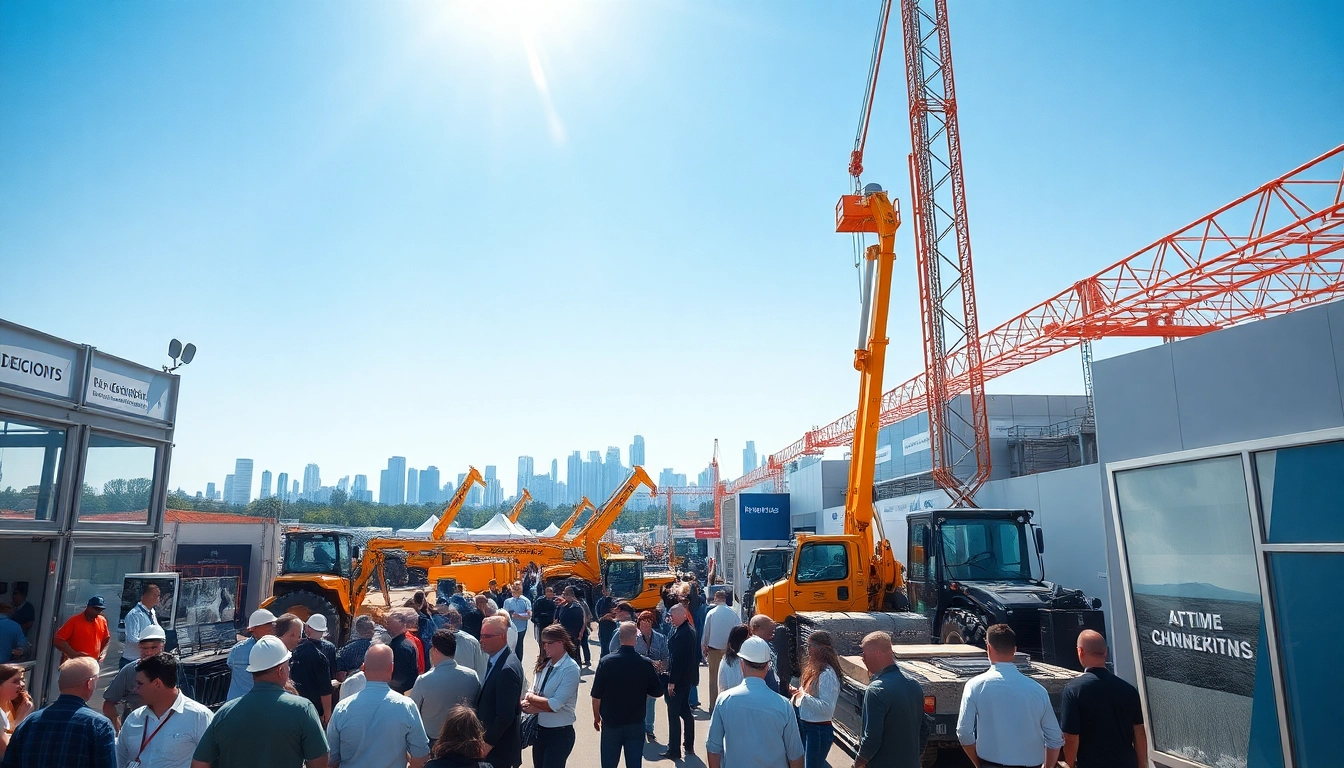
A variety of tools and equipment are required for an effective structural steel installation. Key equipment includes cranes for lifting heavy steel sections into place, welding machines for joining components, and hoists for maneuvering smaller pieces. Moreover, safety gear such as helmets, harnesses, and gloves are paramount to protect workers from potential hazards. The correct selection and maintenance of these tools are essential for successful installation operations.
Step-by-Step Installation Process
The installation process of structural steel typically unfolds in several organized steps:
- Delivery and Inspection: Steel components are delivered to the site and inspected for quality and conformance to specifications.
- Layout and Sequencing: A detailed layout is made to outline the required position of each steel member, ensuring accuracy in assembly.
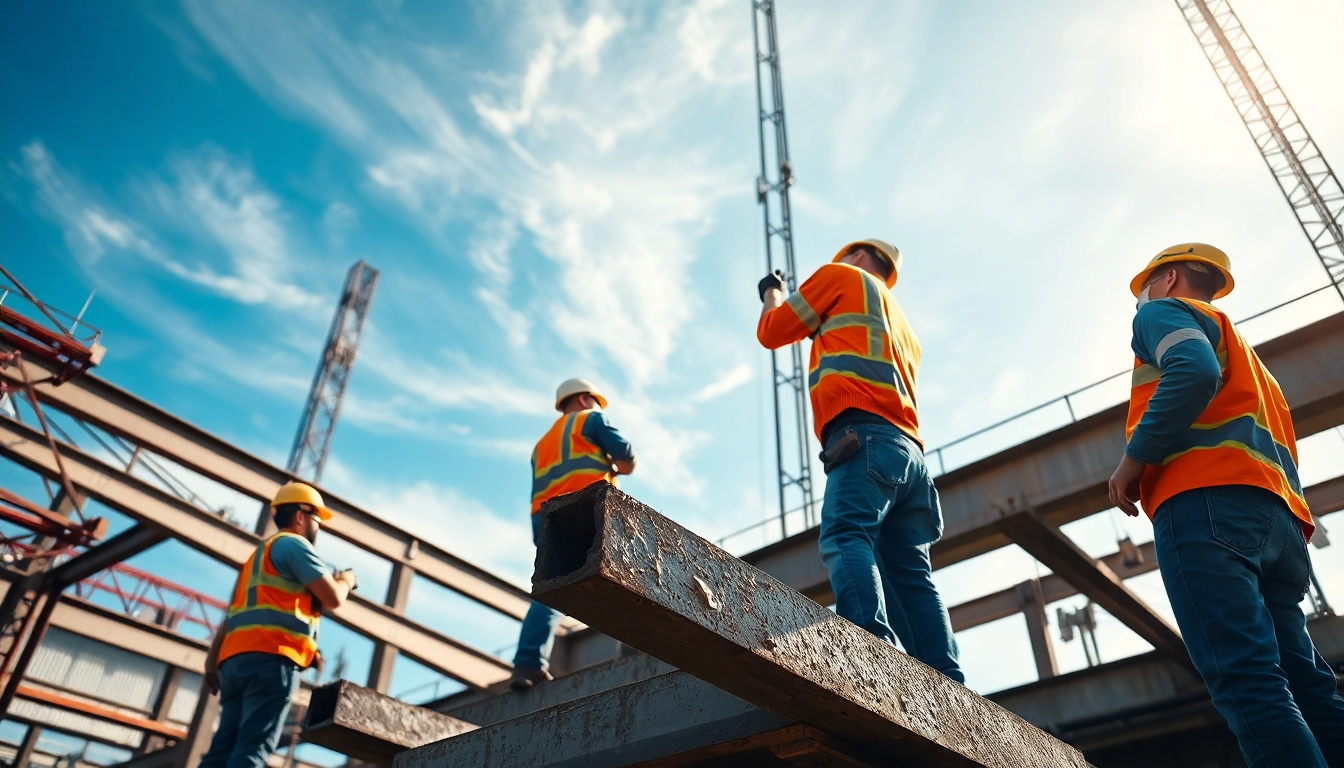
- Assembly: Steel components are positioned, secured using temporary supports, and aligned per the structural design.
- Welding and Bolting: Permanent joints between the steel members are created through welding or bolting as per design specifications.
- Final Inspection: The completed structure undergoes a thorough inspection to ensure structural integrity and compliance with safety standards.
Challenges in Structural Steel Installation
Identifying Common Issues During Installation
While installing structural steel, various challenges may arise. These include alignment discrepancies, unexpected site conditions, and the complexities of working at heights. Misalignment can lead to significant structural issues, requiring rework that wastes time and resources. Recognizing these potential problems early in the process can mitigate impacts on project timelines.
Safety Regulations and Compliance Challenges
Safety is crucial in structural steel installation, demanding adherence to strict regulations. Compliance with local and national safety standards such as OSHA regulations is necessary to protect workers. Nevertheless, the evolving nature of safety regulations means that construction teams must frequently update their knowledge and training, which can be challenging in fast-paced environments.
Mitigation Strategies for Installation Failures
To address potential installation failures, proactive strategies must be in place. Regular training and safety drills enhance worker readiness. Implementing robust quality control measures, like pre-installation audits and continuous monitoring throughout the installation process, helps to identify discrepancies early. Establishing contingency plans for handling unexpected challenges minimizes potential disruptions.
Best Practices for Successful Structural Steel Installation
Quality Control Measures
Quality control in the installation of structural steel is critical for ensuring the safety and durability of the structures. Accurate documentation should be maintained throughout the process, recording welds, bolts, and material specifications. In-process inspections and third-party audits can supplement internal controls, identifying issues before they escalate into larger problems.
Crew Training and Efficiency
The competency of the installation crew directly correlates with the success of the project. Regular training should cover topics such as equipment handling, safety protocols, and new technologies in steel installation. Promoting a culture of efficiency and teamwork enhances productivity, ensuring that crews work cohesively to meet project deadlines without compromising safety or quality.
Maintaining Communication on the Job Site
Effective communication is vital to a successful installation process. Establishing clear, open lines of communication between crew members and management ensures everyone stays informed about project timelines, safety protocols, and any changes to plans. Utilizing modern communication tools such as mobile apps and messaging platforms can greatly streamline the sharing of important information in real time.
Future Trends in Structural Steel Installation
Innovations in Steel Technology
The future of structural steel installation is set to be revolutionized by ongoing innovations in steel technology. Advanced materials, such as ultra-high-performance concrete and high-strength steel alloys, promise to offer enhanced durability and widen potential applications in construction. Additionally, the introduction of smart steel elements embedded with sensors will provide real-time monitoring of structural health, facilitating maintenance and safety.
Integration of Automation in Construction
Automation is poised to reshape the structural steel installation landscape. Robots and automated machinery can enhance accuracy, reduce reliance on manual labor, and improve safety by taking over risky tasks such as welding and lifting. Through these advancements, construction timelines may be significantly shortened, delivering projects faster while maintaining high quality and safety standards.
Sustainability Practices in Steel Usage
With a growing emphasis on sustainability, the use of structural steel is being reevaluated to minimize environmental impacts. The industry is witnessing trends toward using recycled steel, reducing waste through precise fabrication processes, and adopting sustainable construction practices. Future building codes may increasingly favor structures that integrate sustainable steel solutions, promoting an eco-friendly approach to construction.
FAQs
What is structural steel installation?
Structural steel installation involves the assembly of metal components to create frameworks for buildings and other structures.
What are the benefits of using structural steel?
Benefits include durability, cost-effectiveness, and the ability to achieve large spans without support columns.
What safety measures are necessary during installation?
Ensure workers wear personal protective equipment (PPE), follow safety protocols, and use proper lifting techniques.
How long does a typical installation take?
The duration varies by project size, but it typically ranges from a few days to several weeks depending on complexity.
Can structural steel be recycled?
Yes, structural steel is highly recyclable, making it an eco-friendly choice in construction and renovation projects.