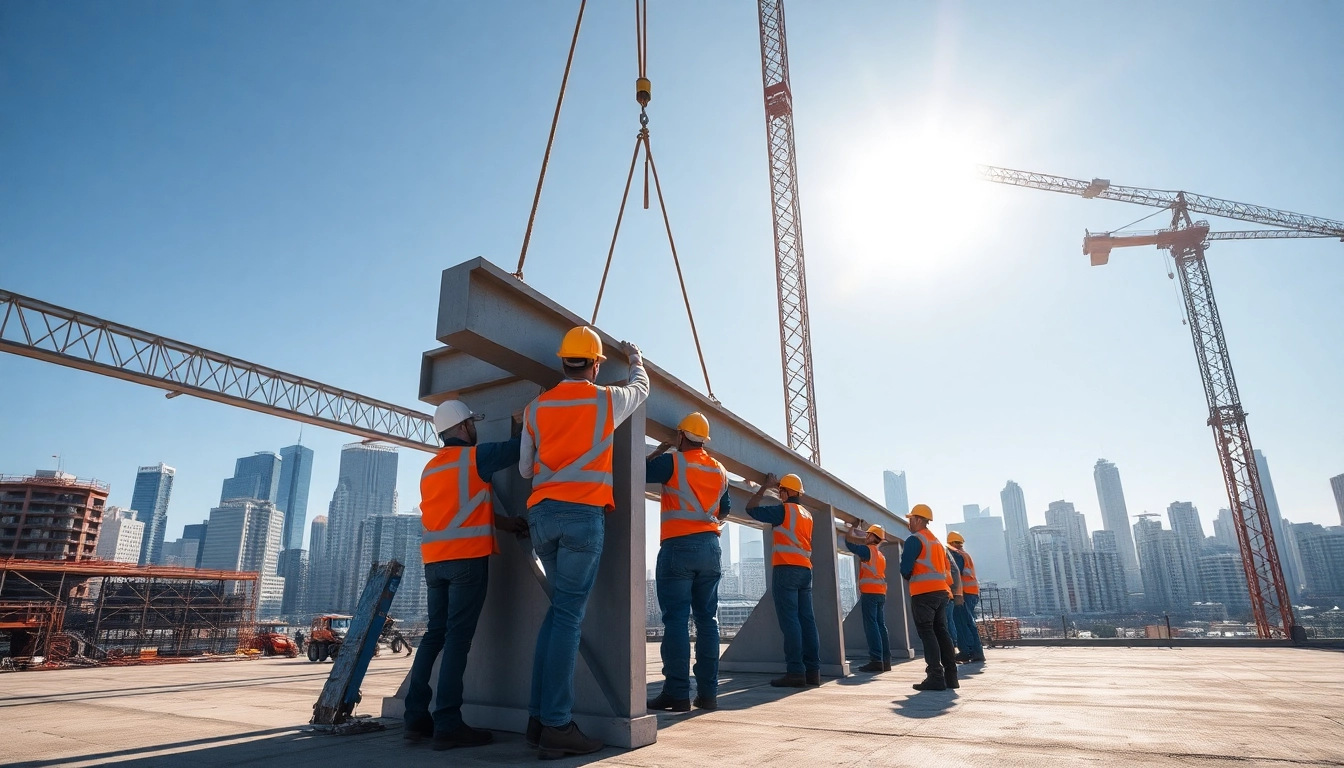

Understanding Construction Safety Programs
Definition and Importance
Construction safety programs are structured frameworks designed to mitigate risks and promote safe practices on construction sites. These programs are critical not only for compliance with regulatory mandates but also for fostering a culture of safety that protects workers, ensures project efficiencies, and enhances a construction firm’s reputation. By implementing construction safety programs, companies can significantly reduce workplace incidents and ensure a healthier working environment.
Common Components
Effective construction safety programs typically encompass several key components, including:
- Risk Assessment: Identifying potential hazards related to specific projects.
- Safety Policies: Documenting and enforcing safety guidelines and procedures.
- Training Sessions: Regularly educating employees about safety protocols and best practices.
- Personal Protective Equipment (PPE): Ensuring availability and proper use of safety gear.
- Incident Reporting: Establishing a transparent system for reporting accidents and near misses.
Regulatory Compliance
Adhering to safety regulations is a cornerstone of any effective construction safety program. Compliance ensures that organizations meet the standards set by governing bodies and helps avoid legal penalties. Regulations often vary by location but frequently reference guidelines established by the Occupational Safety and Health Administration (OSHA) or similar entities. Essential to compliance is the regular review and updating of safety programs to reflect any changes in legislation.
Developing a Robust Construction Safety Program
Risk Assessment Steps
A foundational step in creating construction safety programs is performing a thorough risk assessment. This involves several steps:
- Identify Hazards: Walk through the construction site to observe activities and potential risks.
- Evaluate Risks: Assess the likelihood of an incident and the potential severity of outcomes.
- Implement Controls: Establish methods to mitigate identified risks, such as engineering controls or administrative changes.
- Documentation: Keep detailed records of assessments and the steps taken to address hazards.
Creating Safety Policies
Safety policies should articulate the organization’s commitment to providing a safe work environment. These policies often detail specific practices, such as:
- Required use of PPE, including helmets, gloves, and safety glasses.
- Procedures for operating heavy machinery and tools.
- Emergency response protocols, including evacuation routes and first aid procedures.
Involving stakeholders in the policy creation process ensures buy-in and helps tailor solutions that meet unique site challenges.
Employee Safety Training
Comprehensive and ongoing safety training is vital to the effectiveness of construction safety programs. Training activities should cater to the following:
- New Hire Orientation: Introduce new employees to safety protocols, company policies, and site-specific hazards.
- Regular Refresher Courses: Schedule periodic training to ensure that all employees remain sharp on safe practices.
- Hands-On Training: Conduct drills for emergency response and equipment operation to build skills and confidence.
Implementing Construction Safety Programs
Effective Communication Methods
Communication is a vital element of successful construction safety programs. Clear and consistent messaging can help reduce misunderstandings and promote compliance. This can be achieved through:
- Daily Safety Meetings: Hold brief stand-up meetings to discuss hazards and reinforce safety practices.
- Visual Aids: Use signage and infographics to remind employees of safety rules and procedures.
- Open Channels for Feedback: Encourage workers to voice concerns and suggestions related to safety.
Monitoring Compliance and Engagement
To ensure construction safety programs are effective, monitoring compliance and engagement is crucial. Use various strategies, such as:
- Site Inspections: Conduct regular inspections to verify adherence to safety protocols.
- Behavior-Based Safety Observations: Observe and provide feedback on individual behaviors related to safety.
- Safety Audits: Perform thorough reviews of safety performance, including accident records and safety training records.
Utilizing Technology for Safety
In today’s tech-driven world, technology can play a pivotal role in enhancing construction safety programs. This can include:
- Wearable Devices: Use smart helmets or vests with sensors to monitor worker locations and health metrics.
- Mobile Applications: Develop apps for reporting hazards and incidents quickly.
- Drones: Employ drones for site inspections to identify hazards from above without putting personnel at risk.
Evaluating the Effectiveness of Safety Programs
Key Performance Indicators
To measure the effectiveness of construction safety programs, organizations should establish Key Performance Indicators (KPIs). Common KPIs include:
- Incident rates, including lost-time injuries and near misses.
- The percentage of workforce trained in safety protocols.
- Frequency and results of safety audits and inspections.
Feedback Mechanisms
Continuous feedback is crucial to enhancing construction safety programs. Implement mechanisms like:
- Surveys to gauge employee perceptions of safety culture.
- Suggestion boxes for anonymous feedback on safety improvements.
- Regular reviews of incident reports to identify patterns and develop corrective actions.
Continuous Improvement Processes
Safety should be viewed as an evolving component of construction operations. A culture of continuous improvement involves:
- Regularly updating training materials to incorporate new research and technologies.
- Conducting post-incident analyses to learn from mistakes and prevent recurrence.
- Engaging employees in ongoing discussions about evolving safety challenges and solutions.
Real-world Examples of Successful Construction Safety Programs
Case Studies
Several construction companies have successfully implemented safety programs that led to significant reductions in workplace incidents. For example, a major construction firm revamped its safety training format, adopting a scenario-based training module. This shift led to a 30% reduction in reportable injuries the following year.
Lessons Learned
Analyzing successful case studies often reveals themes that can be replicated. Key lessons include the importance of management commitment to safety, the need for employee involvement in developing safety procedures, and the benefits of using innovative training techniques.
Industry Best Practices
Industry leaders continually contribute to the advancement of safety practices. Such best practices often include:
- Establishing a defined safety committee with representatives from all levels of the organization.
- Customizing safety training programs to address the specific needs of different teams or projects.
- Utilizing positive reinforcement to recognize employees who demonstrate exemplary safety practices.
Frequently Asked Questions
What are construction safety programs?
Construction safety programs are structured frameworks that mitigate risk and promote safe practices on construction sites to protect workers and enhance project efficiency.
Why are safety programs important in construction?
Safety programs are crucial in preventing workplace injuries and fatalities, ensuring regulatory compliance, and fostering a culture of safety among employees.
What components should a safety program include?
A well-rounded safety program includes risk assessments, safety policies, employee training, PPE guidelines, and incident reporting procedures.
How can technology improve construction safety?
Technology enhances safety through wearables that monitor worker conditions, mobile apps for hazard reporting, and drone inspections of hard-to-reach areas.
How do you evaluate the effectiveness of a safety program?
Evaluate effectiveness through key performance indicators (KPIs), continuous feedback from employees, and regular audits or inspections of safety practices.