Understanding Structural Steel Installation
Defining Structural Steel Installation
Structural steel installation involves the assembly of steel components into a framework at a construction site. This process typically includes various activities such as hoisting, connecting, welding, and bolting, which are critical to developing safe and durable structures. Understanding the nuances of this process and the precise nature of the materials involved is essential for anyone looking to leverage the advantages of structural steel in construction projects.
Importance of Proper Installation
The correct installation of structural steel is vital for several reasons. Firstly, it enhances the integrity and safety of buildings and other structures, ensuring they can withstand various loads and environmental conditions. Secondly, proper installation minimizes the risk of structural failures, which can lead to significant financial losses and safety hazards. Lastly, well-installed steel frameworks facilitate the longevity and functionality of the structure, thus providing long-term value to the owner. Achieving professional standards in structural steel installation is non-negotiable in modern construction.
Common Applications of Structural Steel
Structural steel is widely utilized across different sectors due to its robustness and versatility. Common applications include:
- Commercial Buildings: Steel frames support larger spans and can accommodate various design requirements.
- Industrial Facilities: Factories and warehouses often employ structural steel for durability and strength.
- Bridges: Steel’s high tensile strength makes it ideal for bridge construction, allowing for longer spans and fewer supports.
- Residential Projects: Increasingly, steel is being used for high-rise residential buildings, providing rapid construction benefits.
- Agricultural Structures: Steel’s resistance to pests and rot makes it perfect for barns and storage facilities.
Preparation for Structural Steel Installation
Pre-installation Planning
Effective preparation for structural steel installation involves extensive planning. This includes scheduling, resource allocation, budget assessment, and material procurement. Key elements of this preparation stage involve:
- Thoroughly reviewing project specifications and design drawings.
- Identifying and procuring the necessary materials ahead of time.
- Creating a detailed timeline to ensure that all components arrive on site as needed.
- Conducting risk assessments to foresee potential problems.
- Communicating effectively with team members and stakeholders.
Safety Protocols and Regulations
Safety is paramount in construction, especially during structural steel installation. This phase requires strict adherence to safety protocols to protect workers and comply with regulations. Some key safety considerations include:
- Ensuring proper protective gear is worn at all times (helmets, gloves, safety boots, etc.).
- Conducting regular safety training sessions for all employees involved.
- Implementing fall protection measures, including guardrails and safety nets.
- Performing equipment safety checks and maintenance before and during installation.
Site Assessment and Measurements
Before commencing installation, a comprehensive site assessment is essential. This includes evaluating ground conditions, existing structures, and environmental factors. Accurate measurements must be taken to ensure that the dimensions adhere to the specifications provided in the design. Regular site visits during installation will also help to verify that everything is proceeding as planned.
Techniques for Effective Structural Steel Installation
Step-by-Step Installation Process
The process of structural steel installation can be broken down into several crucial steps, each requiring precision and adherence to safety practices:
- Step 1: Pre-Erection Preparation – This includes verifying materials on site and preparing the erection site.
- Step 2: Column and Beam Installation – Erect columns first, followed by beams, ensuring they are level and plumb.
- Step 3: Purlin and Brace Setup – Install horizontal purlins and diagonal braces to provide structural support.
- Step 4: Calibration of the Initial Frame – Use laser levels to ensure that the installed frames are precise.
- Step 5: Attach Reinforcing Elements – Finalize connections with bolts, welds, or other methods as specified in the design.
- Step 6: Quality Assurance Checks – Inspect for compliance with engineering standards and specifications.
Tools and Equipment Needed
Equipping the installation team with the right tools is critical to the success of a structural steel project. Key tools and equipment include:
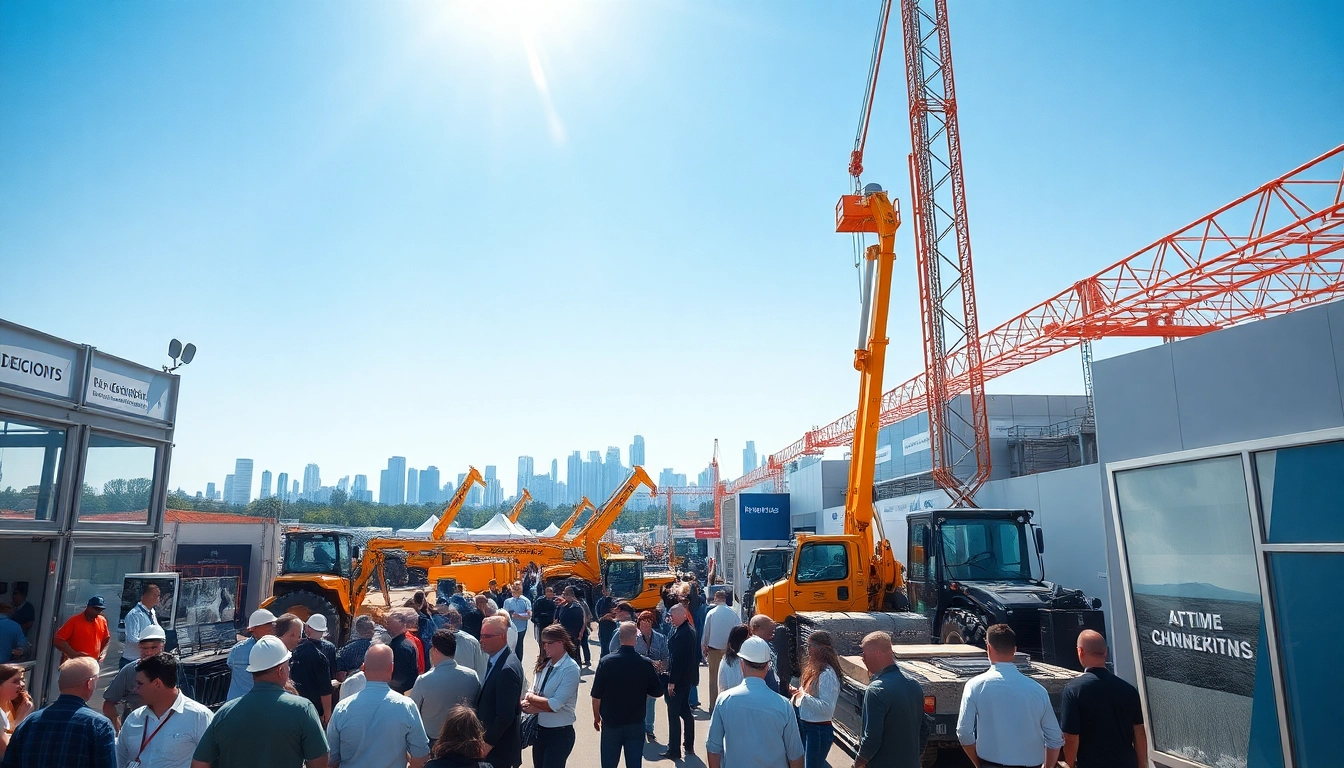
- Cranes: Essential for lifting heavy steel components into place.
- Welding Equipment: Necessary for permanent joints in some structural configurations.
- Bolting Tools: Used for creating secure connections between steel elements.
- Theodolites and Laser Levels: For precision alignment during installation.
- Safety Gear: Including helmets, harnesses, and gloves to protect workers.
Quality Control Measures
Quality assurance should be integrated throughout the installation process to confirm that all work meets standards. This includes ongoing inspections, regular equipment checks, and adherence to safety protocols. Documenting each phase of the installation helps ensure transparency and accountability, which can be essential during project audits.
Challenges in Structural Steel Installation
Common Problems and Solutions
Despite meticulous planning, challenges during structural steel installation can arise. Here are some common issues and how to address them:
- Misalignment: This can be mitigated through regular measurements and using advanced leveling tools.
- Delays in Material Delivery: Create contingency plans including alternative suppliers to ensure progress continues.
- Site Safety Incidents: Reinforce safety training and regularly review protocols to minimize risks.
Addressing Weather and Site Conditions
Weather can significantly impact the schedule and process of structural steel installation. Rain, snow, and extremely high or low temperatures can affect both the materials and the safety of the workforce. To mitigate weather-related delays, project managers should:
- Monitor forecasts closely and adjust timelines as needed.
- Implement protective measures such as tarps and heated enclosures.
- Ensure the site is secure and accessible, adjusting operations during adverse conditions accordingly.
Managing Workforce Efficiency
The success of structural steel installation heavily relies on the efficiency of the workforce. Methods to enhance productivity include:
- Ensuring clear communication among all team members about their roles and responsibilities.
- Utilizing technology to track progress and optimize workflow.
- Providing ongoing training and professional development opportunities to increase employees’ skill sets.
Future Trends in Structural Steel Installation
Innovations and Technology Impact
The structural steel industry is rapidly evolving, particularly with the advent of new technologies. Currently, innovations such as Building Information Modeling (BIM) are revolutionizing the design and installation processes, as they allow for more precise planning and dimensions. Robotics and automation are also beginning to play a role, streamlining repetitive tasks and enhancing safety.
Sustainability Practices in Steel Construction
Concerns over environmental sustainability have led many in the construction industry to adopt eco-friendly practices. In structural steel installation, this can mean utilizing recycled steel, efficient resource management, and minimizing waste through careful planning. Sustainable practices not only benefit the environment but can also provide cost savings in the long run.
Training and Skills Development for Workers
Continual training is essential for keeping the workforce adept and prepared to face evolving challenges. This includes skills development in new technologies, safety practices, and installation techniques. Investing in human capital ultimately leads to greater efficiency, safety, and quality in structural steel projects.
Frequently Asked Questions
1. What is the process of structural steel installation?
The structural steel installation process involves preparing the site, hoisting the components, ensuring proper alignment, connecting with bolts or welds, and conducting quality checks throughout the process to maintain safety standards.
2. What materials are typically used in structural steel?
Common materials include steel beams, columns, trusses, and plates, often made from recycled steel to enhance sustainability and reduce costs while ensuring strength and durability.
3. Are there any specific certifications required for steel installation?
Yes, workers often require certifications in welding, rigging, and safety compliance. Various standards govern the structural steel construction industry that must be adhered to for safety and quality assurance.
4. How can weather conditions affect steel installation?
Weather can impact the progress and safety of installation. Rain, snow, or extreme temperatures can hinder operations, necessitating adaptive measures like protective coverings and adjustments to work schedules.
5. What are some best practices for ensuring safety during installation?
Best practices include thorough safety training, proper usage of personal protective equipment, maintaining clear communication among team members, and performing regular safety audits on the site.