
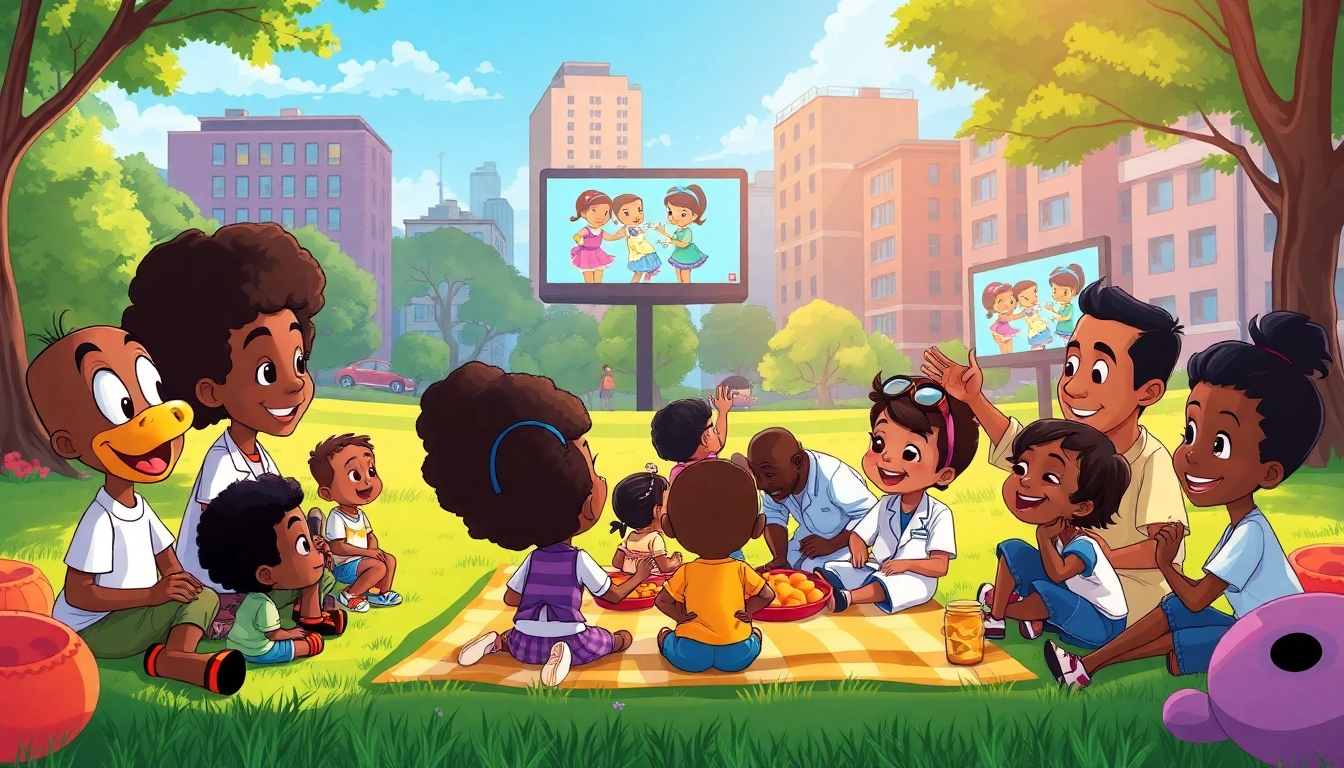
The Evolution of African American Cartoons
Cartoons and animated series have long been a vital part of entertainment culture, playing a significant role in shaping public perception and understanding of diverse communities. African American cartoons, in particular, have evolved dramatically from their early days to the present, serving not only as entertainment but also as a medium for cultural expression and social commentary. As we explore the journey of these animations, it’s important to acknowledge how they reflect the complexities of African American history and culture. For those interested in a treasure trove of African American Cartoons, there are numerous platforms that celebrate this rich heritage.
A Historical Perspective on Animation
The history of African American cartoons dates back to the early 20th century, when racial stereotypes dominated animated works. Characters were often depicted in ways that reinforced negative societal views. However, the landscape began to shift in the 1970s with the emergence of more nuanced portrayals, allowing for stories that resonated more deeply with African American audiences. Productions like "Fat Albert and the Cosby Kids," created by Bill Cosby in 1972, were groundbreaking in their representation of Black youth and culture.
Influence of African American Culture in Cartoons
As cartoons evolved, so too did the influence of African American culture within the medium. The 1990s saw a surge of animation that highlighted Black experiences and narratives. Shows like "The Proud Family" and "Hey Arnold!" not only entertained but also addressed issues such as family dynamics, cultural identity, and societal challenges. Those series mixed humor with heartfelt messages, enabling younger generations to see themselves represented in a more authentic light.
Key Milestones in Representation
Milestones in African American representation in animation include the creation of iconic characters such as Huey and Riley Freeman from "The Boondocks," which aired in the 2000s. This series provided sharp social commentary on race and culture, making it a significant work in the landscape of adult animation. Additionally, Disney’s "The Princess and the Frog," released in 2009, marked a vital moment as it introduced Tiana, the first Black Disney princess, further diversifying animated storytelling.
Top African American Cartoons to Watch Today
Current Trending Shows and Series
As of 2026, several shows featuring African American characters and themes are making waves. "Craig of the Creek" has become a household name, showcasing the adventures of a young Black boy and his friends exploring their neighborhood's creek. Another notable mention is "The Owl House," which, while primarily featuring a Latina protagonist, has received acclaim for its diverse characters and inclusive themes.
Classic Favorites that Shaped Generations
Classic shows remain beloved by audiences, continuing to influence new generations. "The Boondocks" stands out as a revolutionary work that tackled complex social issues with humor and depth. Similarly, "Static Shock" introduced superhero narratives while addressing real-world problems affecting African American communities. These shows not only entertained but also educated viewers on their cultural contexts.
Emerging Creations in 2026
Looking forward, 2026 promises exciting new titles that aim to further represent African American voices. For instance, "Family Reunion" continues to explore generational differences within a Black family, emphasizing cultural heritage and family values. Additionally, independent creators are gaining traction through digital platforms, allowing for a broader spectrum of stories and artistic expressions in animation.
The Impact of Representation in Animation
Why Representation Matters in Cartoons
Representation in animation plays a crucial role in shaping viewers’ perceptions and fostering inclusivity. When children see characters that look like them, it promotes a sense of belonging and validation. Animated series featuring diverse characters can empower young audiences to embrace their identities and challenge stereotypes, ultimately impacting their self-esteem and worldview.
How African American Cartoons Influence Younger Generations
Studies have shown that positive representation in media can lead to increased self-worth among African American youth. Cartoons that portray Black characters in lead roles encourage children to dream bigger and envision themselves in various paths. Shows like "Doc McStuffins" not only entertain but also inspire children to aspire to careers in medicine and healthcare, showing them that they can achieve their dreams regardless of societal barriers.
Case Studies of Popular Characters
Characters such as Frozone from "The Incredibles" and Marge from "The Proud Family" serve as role models for young viewers. Frozone, voiced by Samuel L. Jackson, is not just a superhero but also a loving husband, breaking traditional stereotypes of Black masculinity. Similarly, Penny Proud from "The Proud Family" navigates the ups and downs of adolescence while tackling issues related to race, identity, and friendship, making her a relatable figure for many.
Where to Find and Enjoy African American Cartoons
Streaming Services and Platforms to Explore
Accessing African American cartoons has never been easier, thanks to various streaming services. Platforms like Netflix and Hulu feature a diverse lineup of animated series catering to all age groups. Additionally, specialized networks such as Cartoon Network and Nickelodeon continue to showcase shows that highlight Black culture, ensuring representation remains a priority in their programming.
Community and Educational Resources
Numerous community resources provide insights into the importance of African American cartoons. Organizations such as the Black Comix Arts Festival promote Black creators and their works, fostering appreciation for diverse storytelling. Educational workshops and panels further explore the themes within these animations, allowing fans to engage critically with the content.
How to Engage with Animation Culture
Engaging with the animation culture is as simple as participating in online forums, attending conventions, and supporting Black creators on platforms like YouTube and Patreon. Following hashtags like #BlackAnimation on social media can lead to discoveries of new series and creators while allowing fans to connect with like-minded individuals who share a passion for inclusive storytelling.
The Future of African American Animation
Predictions for 2026 and Beyond
As we look ahead, the future of African American animation appears bright, with more creators pushing the boundaries of storytelling. The rise of streaming platforms has provided a space for indie animators to showcase their unique perspectives, leading to increased diversity in narratives. We can expect to see a blend of traditional animation techniques with modern storytelling approaches that challenge societal norms and foster understanding.
Innovative Trends in Storytelling and Art Styles
Innovative storytelling methods, such as interactive animated series, are gaining traction, allowing audiences to influence narratives in real-time. Blending various art styles—from 2D animation to 3D renderings—creates visually stunning experiences that captivate viewers. These trends not only enhance engagement but also serve as a canvas for exploring diverse cultural themes.
Closing Thoughts on Representation in Media
In summary, the evolution of African American cartoons is a testament to the power of representation in media. They reflect the rich tapestry of Black culture while inspiring future generations. The continuous push for inclusive storytelling ensures that diverse voices are not only heard but celebrated, paving the way for a more understanding and accepting society.