Introduction to the Fire Tetrahedron
Understanding fire safety is crucial for protecting lives and property. One of the fundamental concepts within fire safety is the fire tetrahedron, a model that illustrates the essential components required for fire to occur. By studying the fire tetrahedron, individuals and organizations can better equip themselves to prevent fires and manage fire risks effectively.
Definition and Significance
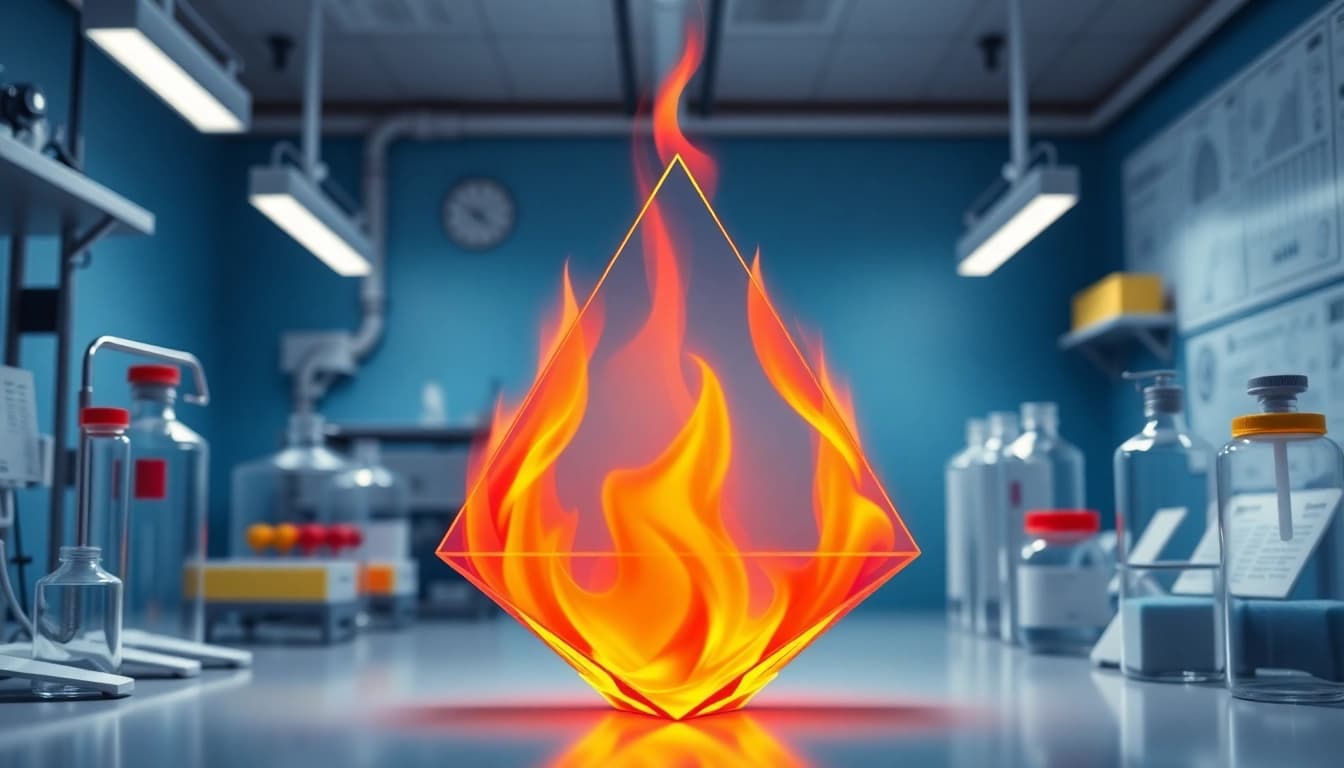
The fire tetrahedron is a model that expands upon the traditional fire triangle to include a fourth element: a chemical reaction, which is necessary for fire to exist. The tetrahedron comprises heat, fuel, oxygen, and the chemical chain reaction. Each element plays a significant role in fire dynamics and offers valuable insights for fire prevention and control strategies. Understanding this concept is vital for fire safety professionals, engineers, and anyone involved in fire risk management.
Historical Context of Fire Safety
Throughout history, humans have had to contend with the dangers posed by fire. The need for fire safety emerged as urbanization increased and industrial processes became more complex. Early fire prevention strategies revolved around removing flammable materials from populated areas. Over time, fire safety evolved, leading to the establishment of fire codes and standards that dictate how materials and structures should be designed to mitigate fire risks. The fire tetrahedron has gained importance as a foundational element in fire prevention training and education.
Overview of Fire Dynamics
To effectively understand fire prevention, one must grasp how fire behaves. Fire dynamics encompasses the characteristics of fire's growth, spread, and decay, shaped by the interplay between the four elements of the fire tetrahedron. The study of fire dynamics aids fire safety experts in predicting fire behavior in various environments, allowing for better preparedness and response strategies.
The Four Elements of the Fire Tetrahedron
Understanding Heat
Heat is the energy that raises the temperature of an object. It is generated during the combustion process and is necessary to elevate the fuel's temperature to its ignition point. Heat can be introduced to a fuel source through various means, such as open flames, electrical sparks, or even spontaneous combustion. Understanding the sources of heat is crucial in fire prevention, as controlling heat sources can significantly reduce the risk of ignition.
The Role of Fuel
Fuel refers to any combustible material capable of sustaining a fire. Fuels can be classified into several categories, including solids, liquids, and gases. Understanding the characteristics of these fuels, such as their ignition temperatures and burning properties, is critical for developing effective fire prevention strategies. For instance, flammable liquids pose different fire risks compared to solid fuels like wood. Proper storage and handling of these materials can mitigate the chances of a fire originating.
The Importance of Oxygen
Oxygen is essential for combustion. Without it, fire cannot occur. The normal atmosphere contains approximately 21% oxygen, providing sufficient levels for most fires to ignite and sustain themselves. Reducing or cutting off the oxygen supply to a fire is a common suppression strategy. This understanding is pivotal for fire safety techniques, such as using fire blankets or extinguishers designed to displace oxygen and suffocate flames.
How the Fire Tetrahedron Relates to Fire Prevention
Identifying Fire Hazards in Different Environments
Fire hazards can be present in various environments, from residential settings to industrial complexes. Identifying these hazards involves recognizing potential ignition sources, assessing fuel availability, and evaluating the overall arrangement of materials and air flow within a given area. Regular inspections and risk assessments are essential for identifying and managing fire hazards effectively.
Implementing Fire Safety Measures
Once potential fire hazards are identified, implementing proactive fire safety measures is critical. This can include installing fire alarms, using fire-resistant materials, and establishing clear evacuation routes. Additionally, educating employees and residents about fire risks and promoting regular fire drills can enhance overall safety preparedness. In commercial settings, adhering to local fire codes and regulations can contribute significantly to preventing fires.
Case Studies: Successful Fire Prevention
Case studies of successful fire prevention strategies serve as valuable lessons in the application of fire tetrahedron principles. For instance, a notable case involves a manufacturing facility that implemented a comprehensive fire risk assessment and modified its storage practices for flammable materials, significantly reducing fire incidents. Another example is a residential community that established a neighborhood watch program focused on fire safety awareness, leading to improved vigilance and a lower occurrence of fires.
Advanced Fire Safety Techniques
Fire Behavior and Engineering Principles
Understanding fire behavior entails knowing how fire spreads and influences various materials and environments. Fire protection engineering principles provide frameworks to design buildings and systems that minimize fire risks. This includes strategies for fire compartmentalization and passive fire protection, such as firewalls and fire doors that impede fire spread, and active systems like sprinklers that detect and combat fires effectively.
Innovative Technologies in Fire Safety
The advent of technology has revolutionized fire safety practices. Innovative solutions include advanced fire detection systems utilizing artificial intelligence to predict fire risks based on environment analysis and historical data. Drones and remote sensing technologies can aid in fire monitoring and assessment in hard-to-reach areas. Virtual reality (VR) training programs are also emerging, providing firefighters with realistic scenarios to enhance their response skills without real-world risks.
Future Trends in Fire Prevention
Looking ahead, the fire safety landscape will likely change dramatically. Trends suggest a move towards smart building technologies that incorporate fire safety measures directly into building management systems. As sustainable building materials are increasingly adopted, developers will need to understand the fire properties of these materials, adapting fire prevention techniques to suit different construction practices. Additionally, continuous education and training on emerging fire safety standards will be essential in equipping professionals with up-to-date knowledge and skills.
Conclusion: The Importance of Understanding Fire Safety
Summarizing Key Takeaways
Understanding the fire tetrahedron is essential for anyone involved in fire safety. This model encapsulates the four basic elements that need to be present for fire to occur: heat, fuel, oxygen, and chemical reaction. Knowing how each element interacts can enhance fire prevention and response strategies significantly.
Resources for Further Learning
For those looking to deepen their understanding of fire safety, numerous resources are available. Organizations like the National Fire Protection Association (NFPA) provide extensive guidelines and materials related to fire prevention. Online courses and workshops can also offer valuable training opportunities for professional development in fire safety.
Encouraging Proactive Fire Safety Practices
Encouraging proactive fire safety practices is essential for reducing fire risks. Regular training, developing a culture of safety, and maintaining up-to-date knowledge of fire dynamics can save lives and protect property. By integrating fire tetrahedron principles into daily practices and emergency plans, we can create safer environments for everyone.