Understanding Hardwood Wall Planks
What Are Hardwood Wall Planks?
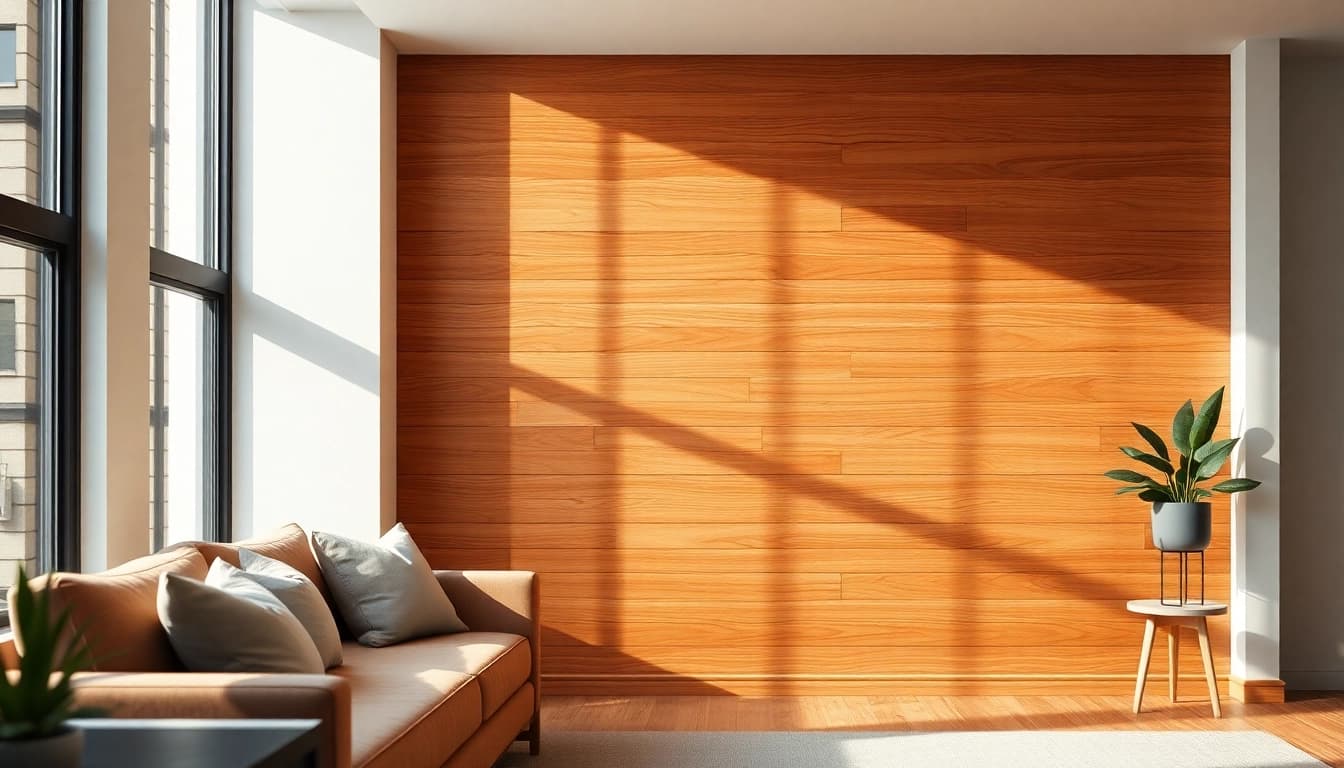
Hardwood wall planks are versatile decorative and structural elements crafted from solid hardwood materials, typically sourced from tree species renowned for their durability, beauty, and character. These planks can be used in various applications, ranging from accent walls to complete room installations. They are cut into long, flat pieces which are easy to install and can dramatically change the ambiance of any space. When it comes to interior design, hardwood wall planks provide a plethora of options for enhancing aesthetic appeal.
Benefits of Using Hardwood Wall Planks
Integrating hardwood wall planks into your interior design offers numerous advantages:
- Aesthetic Appeal: The natural grain and textures found in hardwood create a visually stunning backdrop that complements various styles, from modern to rustic.
- Durability: With proper installation and maintenance, hardwood wall planks can withstand wear and tear. They resist scratching and are less prone to damage compared to other materials.
- Insulation Properties: Hardwood can help regulate indoor temperatures, providing sound insulation and a degree of thermal insulation.
- Increased Property Value: Hardwood features are often perceived as a premium choice, which can enhance resale potential.
- Versatile Design Options: These planks can be stained, painted, or left in their natural state, offering endless customization possibilities.
Choosing the Right Type of Hardwood Wall Planks
When selecting hardwood wall planks, consider the following elements:
- Wood Species: Common options include oak, maple, walnut, and cherry, each providing unique aesthetic qualities. Oak is known for its strength, while maple showcases a more subtle grain.
- Finish: Decide between unfinished and pre-finished options. Pre-finished planks require no additional work after installation, while unfinished ones allow for complete customization.
- Thickness and Width: Thicker and wider planks can make a room feel cozier, while thinner options are suitable for a sleeker look.
- Environment Considerations: Always source hardwood from sustainably managed forests to minimize environmental impact.
Installation Tips for Hardwood Wall Planks
Preparing Your Space for Installation
Before starting the installation process, proper preparation of the area is crucial:
- Clear the Area: Remove any furniture, wall hangings, and other items to create an unobstructed workspace.
- Inspect the Walls: Check for moisture issues and repair any drywall imperfections to ensure a smooth base for the planks.
- Acclimate the Wood: Allow your hardwood wall planks to adjust to the room's humidity and temperature by letting them sit in the space for several days before installation.
Step-by-Step Installation Process
The installation of hardwood wall planks generally follows these steps:
- Measure and Mark: Use a level to mark a straight line where the planks will be placed. This ensures the alignment is perfect.
- Cut the Planks: Using a miter saw, cut the planks to the appropriate lengths as per your wall space measurements.
- Apply Adhesive or Fasteners: Depending on the type of planks, apply strong adhesive or use nails/screws to fasten each plank to the wall.
- Align and Secure: Press each plank firmly into place, ensuring that their edges align with the next plank. Keep an eye on the level as you proceed.
- Finish the Edges: Once complete, cover any exposed edges with molding or trim for a polished look.
Common Mistakes to Avoid
To achieve a flawless installation, avoid these common pitfalls:
- Skipping Acclimatization: Failing to allow the wood to acclimate can result in warping and gaps after installation.
- Poor Measurements: Accurate measurements are crucial; double-check before cutting to avoid costly mistakes.
- Ineffective Surface Preparation: Neglecting to check for moisture and existing damage can jeopardize the integrity of the installation.
Design Ideas with Hardwood Wall Planks
Modern and Minimalist Approaches
For a sleek, contemporary aesthetic, consider:
- Neutral Color Palettes: Use light-colored woods such as ash or birch for a fresh and airy feel.
- Vertical Plank Arrangements: Installing planks vertically can make the room appear taller and more open.
- Open Spaces: In minimalistic settings, incorporating large sections of bare walls can emphasize the beauty of the wood itself.
Rustic Aesthetics for Your Home
Embracing a rustic style can charm any space:
- Reclaimed Wood: Use reclaimed hardwood wall planks to introduce history and character into your rooms.
- Natural Finishes: Leaving wood untreated or opting for a matte finish enhances the organic look.
- Mixing Textures: Pair hardwood with other natural materials, such as stone or brick, to create an inviting environment.
Combining Colors and Textures
Experimenting with colors and textures can elevate your design:
- Two-Tone Designs: Pair lighter and darker planks to create a stylish contrast.
- Accent Walls: Use hardwood planks as accents in areas like behind a TV or bed, while keeping adjacent walls neutral.
- Textured Finishes: Explore options such as wire-brushed or hand-scraped finishes for added depth.
Maintenance and Care for Hardwood Wall Planks
Cleaning Techniques for Longevity
To keep hardwood wall planks looking new, consider these cleaning methods:
- Regular Dusting: Use a soft cloth or microfiber duster to regularly remove dust and prevent buildup.
- Mild Cleaners: For deeper cleaning, a mild soap solution applied with a damp cloth is effective; ensure the cloth is not overly wet.
- Immediate Spill Clean-Up: Wipe spills promptly to prevent damaging the wood finish.
Addressing Common Wear and Tear
Even with the best maintenance, hardwood wall planks may develop signs of wear. Here’s how to address them:
- Scratches: Small scratches can often be masked with matching wood markers or blended with a fine finishing coat.
- Light Fading: Ensure that planks are placed away from direct sunlight to prevent fading; if fading occurs, consider re-staining.
- Loose Planks: If any planks start to loosen, re-secure them using additional adhesive or fasteners quickly.
Restoration Tips for Dull Finishes
To restore the vibrant finish of your hardwood wall planks:
- Gentle Cleaning: Start with a thorough clean to remove any residue, then assess the surface.
- Refinishing: If needed, lightly sand the surface to prepare it for refinishing, and apply an appropriate wood finish to enhance luster.
- Professional Help: For extensive restoration, consider hiring professionals who specialize in hardwood care.
Frequently Asked Questions About Hardwood Wall Planks
How do I install hardwood wall planks?
Begin by measuring your wall area, preparing the surface, and using adhesive or nails to secure the planks in place carefully.
What maintenance do hardwood wall planks require?
Clean regularly with a damp cloth, avoid harsh chemicals, and consider refinishing every few years to maintain their beauty.
Can hardwood wall planks be painted?
Yes, however, ensure the wood is properly prepared, using suitable primers and paints for the best results.
Are hardwood wall planks suitable for bathrooms?
Yes, but ensure you use properly sealed planks to withstand humidity for longevity in bathrooms.
Where can I buy quality hardwood wall planks?
Look for reputable home improvement stores or specialized suppliers that offer a variety of styles and finishes.