Understanding the Role of a Videographer
In today's visual-centric world, the role of a Videographer has become increasingly critical across various sectors. Whether in cinematography, corporate communications, event coverage, or digital marketing, a skilled videographer is responsible for capturing and producing compelling video content that tells a story or conveys a message. This introduction aims to delve into the many facets of this profession, shedding light on responsibilities, essential skills, and the evolving landscape of videography.
What Does a Videographer Do?
A videographer specializes in the art of shooting and creating video content for various platforms and purposes. From weddings and corporate events to promotional videos and documentaries, these professionals are charged with the responsibility of capturing high-quality footage that resonates with the intended audience. Their work can be divided into several key functions, including:
- Pre-Production: This phase includes planning and coordination of logistics, such as location scouting, storyboarding, and scheduling interviews or shoots.
- Shooting: The primary task of a videographer is to operate cameras and equipment to capture footage according to the planned shot list and storyboard.
- Post-Production: After filming, videographers may also be involved in editing the footage, adding graphics, and fine-tuning audio to produce a polished final product.
- Client Interaction: Understanding client needs and providing updates throughout the production process is crucial for ensuring the final video aligns with the client's vision.
Key Skills Required for a Videographer
The profession of videography calls for a diverse skill set, blending technical knowledge with creativity. Below are some essential skills that every aspiring videographer should consider developing:
- Camerawork: Proficiency in using various cameras and understanding different shooting techniques are fundamental for capturing high-quality video.
- Editing: Familiarity with editing software such as Adobe Premiere Pro, Final Cut Pro, or DaVinci Resolve is crucial for transforming raw footage into a cohesive narrative.
- Storytelling: A good videographer possesses the ability to tell a compelling story through their footage, selecting shots and pacing that engage the audience.
- Attention to Detail: Ensuring that every aspect of the video is polished and professional requires a keen eye for detail.
- Communication: Strong interpersonal skills help videographers collaborate effectively with clients, crew members, and other stakeholders.
Different Types of Videographers and Specializations
Videography is a broad field, offering various specializations catering to different industries and audiences. Some notable types include:
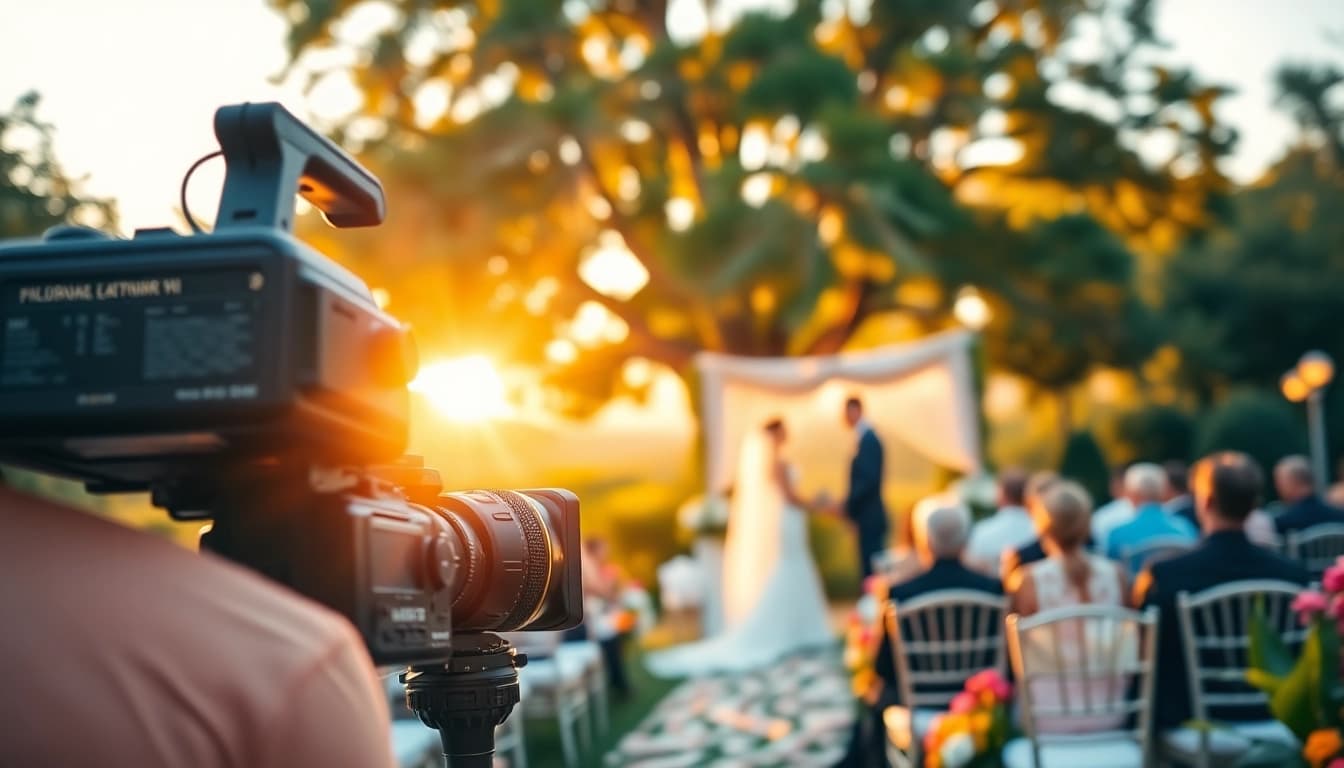
- Wedding Videographers: These professionals focus on documenting weddings, capturing the essence of the day with emotions, traditions, and special moments.
- Corporate Videographers: Often hired by businesses, they create promotional, training, or informational videos to communicate effectively with customers and employees.
- Event Videographers: This category includes those who film live events such as sports, concerts, and conferences, emphasizing capturing the atmosphere and energy of the occasion.
- Documentary Videographers: They tell stories about real-life events or people, often using interviews and b-roll footage to provide a rounded perspective on the subject matter.
- Creative Videographers: These include filmmakers and artists who create experimental films, music videos, or artistic projects that challenge conventional storytelling.
Essential Equipment for Videographers
To excel in videography, having the right equipment is essential. Below is a breakdown of crucial tools and gear that videographers typically utilize:
Camera Equipment and Tools
The foundation of any videographer's toolkit is their camera equipment. Depending on the type of work they are engaged in, videographers may choose from various cameras, including:
- DSLRs and Mirrorless Cameras: These are commonly used for both still photography and videography, offering versatility, high resolution, and interchangeable lenses.
- Cinematographic Cameras: For professional video production, cameras like the RED series or ARRI Alexa are favored for their cinematic quality and functionality.
- Action Cameras: Compact and rugged, these cameras are ideal for capturing dynamic shots in challenging environments, perfect for sports and adventure videography.
- Tripods and Gimbals: Stabilization tools that help produce smooth shots; tripods provide stability, while gimbals add mobility and fluidity.
Audio and Lighting Gear
High-quality audio and proper lighting can significantly elevate the production quality of video content. Essential equipment in this category includes:
- Microphones: Lavalier mics, shotgun mics, and handheld recorders are crucial for capturing clear audio in various environments.
- Lighting Kits: These assist in creating the right ambiance and enhancing video quality, particularly in indoor or low-light conditions.
- Reflectors: Used to bounce natural light, they help fill shadows and create a balanced lighting situation when shooting outdoors.
Editing Software and Techniques
Post-production is where the magic happens. Understanding and utilizing editing software can greatly influence the final output. Some widely used software includes:
- Adobe Premiere Pro: Known for its robust features and usability, it's a favorite among both amateurs and professionals.
- Final Cut Pro: A Mac-focused editing platform favored for its speed and performance, particularly among filmmakers.
- DaVinci Resolve: Renowned for its advanced color grading tools, making it ideal for projects that require precise color correction.
Techniques such as color grading, sound mixing, and adding visual effects contribute significantly to the storytelling process, enhancing the viewer's experience.
Finding the Right Videographer for Your Needs
Finding a suitable videographer is crucial for ensuring that your vision is accurately captured and produced. Here are steps to streamline the selection process:
How to Evaluate a Videographer’s Portfolio
When reviewing potential candidates, consider these factors in their portfolios:
- Quality of Work: Look for high production values, clarity, good editing, and storytelling techniques that align with your aesthetic preferences.
- Diversity of Projects: A versatile videographer will have experience across different genres and styles, indicating their ability to cater to various client needs.
- Client Testimonials: Reviews and testimonials can offer insights into their professionalism, reliability, and ability to meet deadlines.
Interview Questions to Consider
When interviewing potential videographers, consider asking the following questions to gauge their suitability:
- What is your typical process from pre-production to post-production?
- How do you handle challenges that arise during shoots?
- Can you provide references from previous clients?
- What is your approach to creative collaboration?
- What are your turnaround times for different types of projects?
Understanding Videographer Pricing Structures
Pricing can vary widely based on various factors like experience, project scope, and location. Typically, videographers may charge:
- Hourly Rates: Suitable for smaller projects or events.
- Day Rates: Common for full-day shoots, covering pre-production, filming, and post-production.
- Package Pricing: Many offer bundled services that include multiple aspects of production, which can provide better value.
Discussing budgets upfront ensures clear expectations and helps prevent misunderstandings later in the process.
Tips for Working with Your Videographer
Collaboration with a videographer can yield remarkable results, especially when effective communication is established. Here are some practical tips:
Effective Communication Before the Event
Open discussions about goals, preferences, and specific requirements before the shoot can set a strong foundation. Ensure you:
- Share examples of styles and types of videos you like.
- Clarify the audience and message of the video to align the creative direction.
- Establish a timeline, including milestones for drafts and final cuts.
How to Collaborate for Best Results
Collaboration doesn't stop at the initial conversation; it's an ongoing process. Be receptive to your videographer’s suggestions and creative input, as they bring expertise and experience that can enrich the project.
Creating a Shot List or Outline
Having a well-thought-out shot list can significantly enhance production quality. This document should list all the necessary shots, angles, and any specific sequences you want to capture, making it easier for the videographer to visualize the final product.
Trends in Videography You Should Know
The field of videography is constantly evolving, influenced by technological advancement and changing audience preferences. Keeping abreast of the latest trends can enhance your video production and improve results:
Impact of Technology on Videography
Emerging technologies significantly alter how videographers create content. For instance, advancements in drones have made aerial shots more accessible and affordable, while 360-degree cameras allow audiences to experience videos in immersive environments. Furthermore, high-definition formats and live-streaming technology have transformed traditional storytelling techniques.
Popular Styles and Techniques in Videography
Staying current with popular styles can inform your videography approach. Styles such as cinematic storytelling, minimalist aesthetics, and dynamic editing techniques like jump cuts and montages resonate with modern audiences, capturing and maintaining attention effectively.
Future of Videography in Events and Marketing
As businesses increasingly utilize video as a primary marketing tool, the demand for skilled videographers continues to rise. The future will likely see more integration of interactive elements, personalization in video marketing, and enhanced analytics to measure video performance effectively.
In conclusion, the role of a videographer is essential in creating captivating visual content that can serve multiple purposes, from marketing to personal milestones. By understanding their responsibilities, developing necessary skills, and leveraging advanced technology, both aspiring and professional videographers can create impactful work that resonates with audiences. Whether you're a client seeking video services or a creative looking to hone your craft, transitioning into this field requires commitment, creativity, and a willingness to adapt to industry changes.