
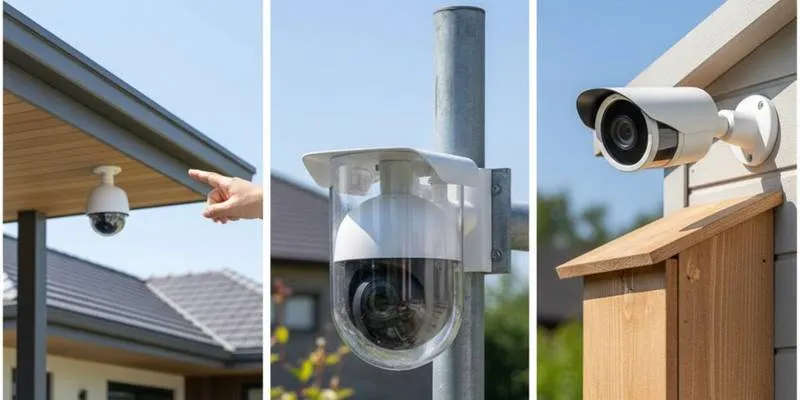
In today’s fast-paced and increasingly connected world, home and business security have evolved far beyond traditional locks and alarms. Modern threats are more sophisticated, requiring protection systems that are not only reactive but proactive. Advanced Security Systems with AI detection technology have emerged as the next frontier in safeguarding properties, combining cutting-edge artificial intelligence with robust hardware to deliver precise, real-time protection. These systems leverage machine learning, pattern recognition, and intelligent analytics to detect potential threats, reduce false alarms, and empower users with actionable insights.
AI-powered security systems are no longer limited to high-end corporate environments. They are becoming accessible to homeowners and small businesses seeking smarter, more responsive solutions. By integrating AI detection with cameras, sensors, and monitoring platforms, these systems elevate safety to a level previously achievable only with extensive human oversight. Understanding how AI detection works, its benefits, and the features it offers can help individuals and organizations make informed decisions about implementing these advanced systems.
The Evolution of Security Technology
From Traditional Systems to Smart Security
Traditional security systems relied primarily on basic alarms, motion sensors, and physical deterrents. While effective to some degree, they often generated false alarms and required manual intervention or constant monitoring. The evolution of technology introduced smart systems, integrating mobile apps, cloud storage, and remote access, which allowed homeowners to monitor their properties from anywhere.
AI detection represents the next step in this evolution. By analyzing data from cameras, sensors, and connected devices, AI algorithms can differentiate between normal activity and genuine threats. This intelligence reduces unnecessary alerts and provides a more accurate and responsive security solution.
Why AI is a Game-Changer
AI detection technology revolutionizes security by introducing predictive and adaptive capabilities. Unlike conventional systems that trigger alerts based on static parameters, AI systems learn patterns of behavior, recognize unusual activities, and even predict potential risks before they escalate.
This ability to process large amounts of data, identify anomalies, and provide context-specific alerts makes AI-powered security systems a critical tool for modern safety. Users can respond faster, make informed decisions, and rely on consistent protection without constant oversight.
How AI Detection Technology Works
Machine Learning and Pattern Recognition
AI detection systems utilize machine learning algorithms to analyze historical and real-time data. Cameras, motion sensors, and other devices collect information that the AI interprets to establish patterns of normal activity.
For example, an AI system can learn the typical movements within a home, such as family members entering through specific doors at certain times. When the system detects deviations—like an unfamiliar person approaching a window at night—it triggers an alert. This context-aware analysis significantly reduces false alarms compared to traditional motion sensors.
Object and Facial Recognition
Advanced AI systems incorporate object and facial recognition to enhance accuracy. Cameras can distinguish between people, animals, vehicles, and other objects, ensuring alerts are meaningful and actionable.
Facial recognition enables systems to identify familiar individuals, such as family members or employees, and flag unknown faces. This capability is particularly useful in both residential and commercial settings, where knowing exactly who is entering a property can prevent unauthorized access.
Behavioral Analytics and Anomaly Detection
AI detection technology also uses behavioral analytics to identify suspicious or unusual activity. The system assesses speed, direction, and movement patterns to determine whether an event represents a potential threat.
Anomaly detection allows AI systems to respond to subtle signs of intrusion or abnormal behavior that might be overlooked by human observers. This proactive capability helps prevent incidents before they escalate, providing a higher level of protection than reactive alarms alone.
Key Features of AI-Powered Security Systems
Intelligent Alerts and Notifications
One of the primary advantages of AI detection is the delivery of intelligent, context-specific alerts. Instead of generic alarms, users receive detailed notifications specifying the nature of the event, its location, and the perceived risk level.
These alerts can be customized to suit personal preferences, with options to prioritize critical events and reduce non-essential notifications. Intelligent alerts ensure users remain informed without becoming overwhelmed by unnecessary alarms.
Remote Access and Mobile Control
AI-powered security systems are typically integrated with mobile apps, allowing users to monitor, manage, and respond to alerts from anywhere. Live video feeds, historical footage, and system status updates are accessible in real time.
Remote access empowers homeowners and business operators to make immediate decisions, whether contacting authorities, adjusting system settings, or verifying suspicious activity. This convenience enhances both safety and peace of mind.
Integration With Smart Home and IoT Devices
Modern AI security systems often integrate with smart home devices and Internet of Things (IoT) technology. This includes smart locks, lighting, thermostats, and voice assistants, creating a unified ecosystem that enhances security and convenience.
Automation features, such as turning on lights when movement is detected or locking doors remotely, strengthen security measures and provide proactive protection. Integration with IoT devices also enables systems to respond to environmental changes, such as smoke or water leaks, further improving safety.
Cloud Storage and Data Management
AI detection systems frequently leverage cloud storage to store video footage and system data securely. Cloud platforms provide scalable storage, easy access to historical recordings, and backup options in case of hardware failure.
Advanced data management allows users to review incidents, analyze patterns, and generate reports. This feature is particularly valuable for commercial properties, where evidence may be required for investigations or insurance purposes.
Benefits of AI Detection Technology
Reduced False Alarms
Traditional security systems often generate false alarms due to pets, moving shadows, or environmental factors. AI detection dramatically reduces these incidents by distinguishing between harmless activity and genuine threats.
Fewer false alarms improve user trust in the system, ensuring that alerts are taken seriously when they occur. This reliability enhances overall safety and reduces unnecessary disruptions.
Proactive Threat Prevention
AI detection allows for proactive protection by identifying potential risks before they escalate. Systems can detect unusual activity patterns, suspicious behavior, or attempted intrusions early, enabling users to intervene promptly.
This predictive capability minimizes property damage, reduces theft risk, and protects occupants from harm. Proactive security represents a significant improvement over traditional reactive measures.
Enhanced Situational Awareness
With AI detection, users gain detailed insights into what is happening in and around their property. Video feeds, event logs, and behavioral analysis provide context-rich information, allowing users to respond appropriately.
Enhanced situational awareness helps homeowners, managers, and security personnel make informed decisions, improving the effectiveness of protective measures and emergency responses.
Scalability and Adaptability
AI-powered systems are highly scalable, capable of adapting to changing security needs. Additional cameras, sensors, or devices can be integrated seamlessly, and AI algorithms continue to learn from new data.
This adaptability ensures that the system remains effective as properties evolve, whether through renovations, increased occupancy, or changes in the surrounding environment.
Cost Efficiency Over Time
While AI systems may require higher initial investment, they offer long-term cost efficiency by reducing false alarms, lowering manual monitoring requirements, and preventing costly security incidents.
The intelligent analysis provided by AI ensures resources are allocated effectively, maximizing protection while minimizing unnecessary expenses.
Applications of AI Detection in Residential and Commercial Settings
Residential Security
In homes, AI detection enhances protection against burglary, vandalism, and unauthorized access. Smart alerts, facial recognition, and behavioral analytics provide precise monitoring tailored to the household.
AI systems can also support child and elder safety by detecting unusual movements, falls, or unexpected visitors. Integration with smart home devices ensures that the home responds dynamically to threats, creating a safer environment for all occupants.
Commercial Security
Businesses benefit from AI detection through enhanced surveillance, intrusion prevention, and operational efficiency. AI-powered cameras monitor entrances, storage areas, and sensitive locations, providing real-time alerts for unauthorized access or suspicious behavior.
Behavioral analytics can identify anomalies in staff activity, prevent theft, and support compliance with safety protocols. Cloud-based reporting and evidence storage facilitate investigations and accountability, making AI detection a valuable tool for risk management.
Public and Community Safety
AI detection technology can also contribute to broader community safety initiatives. Smart cameras and integrated security networks help monitor public spaces, detect unusual activity, and support law enforcement with actionable intelligence.
Community-wide adoption of AI security systems can reduce crime rates, improve emergency response times, and create safer neighborhoods for residents.
Challenges and Considerations
Privacy and Data Security
AI detection systems collect extensive data, including video footage and behavioral patterns. Ensuring privacy and data security is essential. Reputable systems employ encryption, secure cloud storage, and user-controlled access to protect sensitive information.
Users should review privacy policies, configure access permissions, and select systems that comply with local data protection regulations to maintain trust and security.
System Complexity and Learning Curve
While AI systems are designed to be user-friendly, the technology can be complex. Proper installation, configuration, and maintenance are essential to maximize effectiveness. Users may need training or professional support to understand advanced features fully.
Cost and Return on Investment
AI detection systems often require higher upfront costs than traditional security solutions. Evaluating the return on investment involves considering long-term benefits such as reduced false alarms, enhanced protection, and potential prevention of costly incidents.
Cost-conscious users should compare features, scalability, and monitoring options to select a system that provides maximum value.
Choosing the Right AI-Powered Security System
Assessing Property Needs
Start by evaluating property size, layout, and potential vulnerabilities. Identify critical areas for monitoring and determine which AI features are most relevant, such as facial recognition, behavioral analytics, or environmental alerts.
Comparing Features and Performance
Create a comparison framework that includes sensors, camera resolution, alert types, mobile control, cloud storage, and integration capabilities. Assess each system against these criteria to identify the best fit.
Considering Long-Term Support
Select systems with reliable manufacturer support, firmware updates, and scalability. Long-term support ensures that the system remains effective and current as technology evolves.
Conclusion
Advanced security systems with AI detection technology offer a transformative approach to protecting homes, businesses, and communities. By leveraging artificial intelligence, these systems provide intelligent alerts, predictive insights, and actionable information that go beyond traditional alarms and cameras. The combination of real-time monitoring, remote access, smart alerts, and behavioral analytics creates a proactive security environment that enhances situational awareness, reduces false alarms, and empowers users to respond effectively.
Investing in AI-powered security ensures comprehensive protection while accommodating evolving property and lifestyle needs. Whether for residential, commercial, or community applications, these systems represent the future of safety, delivering both peace of mind and practical value. Want more clarity? Visit the homepage for complete guidance.
FAQs
How does AI detection reduce false alarms compared to traditional systems?
AI detection analyzes patterns, objects, and behaviors to distinguish between normal activity and genuine threats. Unlike conventional sensors, it can ignore harmless movements such as pets or environmental changes, reducing unnecessary alerts.
Can AI security systems be integrated with existing smart home devices?
Yes, most AI-powered systems support integration with smart locks, lighting, thermostats, and voice assistants. This allows automated responses, remote control, and improved overall safety.
Are AI-powered security systems suitable for both homes and businesses?
Absolutely. AI detection enhances security for residential properties by monitoring entrances and internal activity, and for businesses by providing surveillance, anomaly detection, and operational insights, making them versatile for various environments.