Understanding Tile Varieties
Ceramic vs. Porcelain Tiles
When it comes to tile selection, the choice between ceramic and porcelain tiles is one of the most critical decisions you’ll face. Both materials have unique properties that make them suitable for different applications within the home. Ceramic tiles are generally more affordable and easier to install, making them a popular choice for DIY projects. They are created from red or white clay and are typically glazed for added protection and design appeal.
On the other hand, porcelain tiles are made from denser clay and fired at higher temperatures, making them harder, more resistant to moisture, and less likely to chip or crack. These qualities make porcelain ideal for high-traffic areas or places prone to spills, such as kitchens and bathrooms. For homeowners looking for both aesthetic appeal and durability, understanding these differences is crucial.
Natural Stone Tile Options
Natural stone tiles, including options like granite, marble, slate, and travertine, bring an organic elegance to any space. Each type of stone offers its own unique variations in color, texture, and grain, allowing for truly bespoke design options. Granite is known for its durability and can resist scratching and chipping, making it a prime choice for kitchen countertops and flooring. Marble, with its luxurious appeal, is often selected for bathrooms and formal entryways; however, it requires a bit more maintenance due to its susceptibility to scratching and staining.
Slate tiles, with their rich, earthy tones, provide a natural slip-resistant surface that’s perfect for outdoor patios. Meanwhile, travertine tiles offer a rustic charm and are often used in pool areas due to their natural cooling properties. It’s essential to consider the intended use, maintenance requirements, and aesthetic goals when choosing natural stone tiles.
Glass Tiles and Their Uses
Glass tiles are versatile materials that can add a vibrant pop of color and light reflection to home designs. Unlike ceramic and stone, glass tiles can create a sense of spaciousness and luminosity, particularly in smaller areas, such as bathrooms or kitchens. They are often used as backsplash tiles, providing a striking focal point that can range from intricate patterns to solid colors.
In addition to their aesthetic benefits, glass tiles are also resistant to moisture and staining, making them ideal for wet environments. However, it is important to choose high-quality glass tiles designed for specific applications to ensure durability. Their reflective properties can enhance natural light, making rooms feel brighter and more open.
Benefits of Tile in Home Design
Durability and Longevity of Tiles
The unmatched durability of tiles is one of their most significant advantages. Unlike wood or carpeting, tiles can withstand heavy foot traffic, making them suitable for high-use areas such as entryways, kitchens, and bathrooms. Tiles are also resistant to moisture and stains, particularly when properly sealed. This resistance extends the lifespan of the flooring, making it a cost-effective choice over time. Many tiles come with warranties that reflect their longevity, sometimes spanning decades, which adds to their overall value.
Easy Maintenance and Cleaning
Tiles require minimal maintenance compared to other flooring options. Regular sweeping and damp mopping are usually sufficient to keep tile surfaces in good condition. For deeper cleaning, a gentle tile cleaner can remove stubborn stains without damaging the material. Porcelain and ceramic tiles, in particular, do not absorb liquids, preventing mold and mildew growth, which is a significant factor for bathroom or kitchen settings. When spills happen, they can be easily wiped up without the excessive effort that other flooring types might require.
Insulating Properties of Tile Flooring
While tiles may feel cold underfoot, their insulating properties are worth noting, especially in various climates. To enhance comfort, tiles can be paired with underfloor heating systems, providing a cozy environment during colder months. Furthermore, tiles can reflect heat, helping to maintain a cooler temperature in the home during warm weather. This makes tiled spaces not only stylish but also energy-efficient, potentially reducing cooling costs in summertime.
Creative Tile Applications
Tiling in Kitchens and Bathrooms
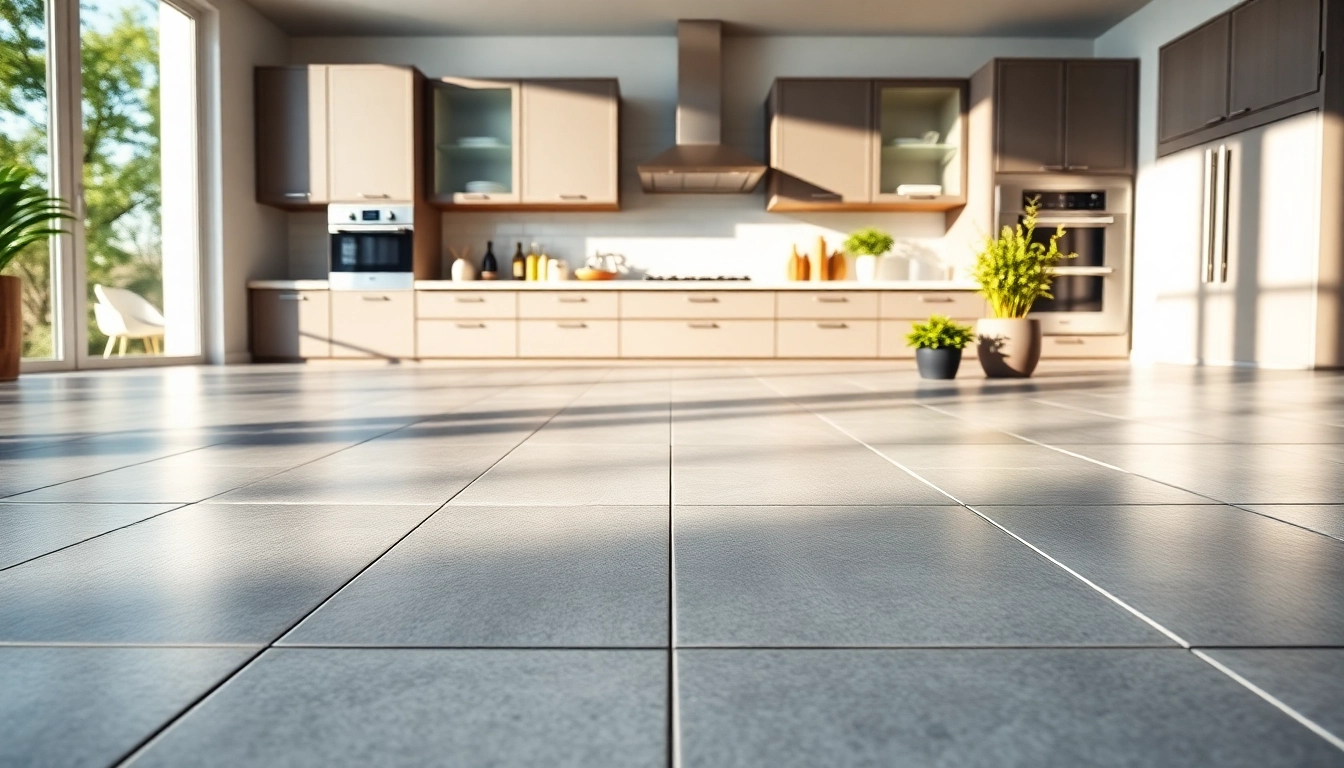
Kitchens and bathrooms are the most common spaces where tiles are used, but the application goes beyond just flooring. In kitchens, tiles can act as backsplashes, protecting walls from moisture while adding a layer of artistic flair. The design can include intricate mosaics or simple geometric patterns that align with the overall decor. Some homeowners even opt for a full tiled wall in lieu of paint for a sleek, modern look that’s easy to clean.
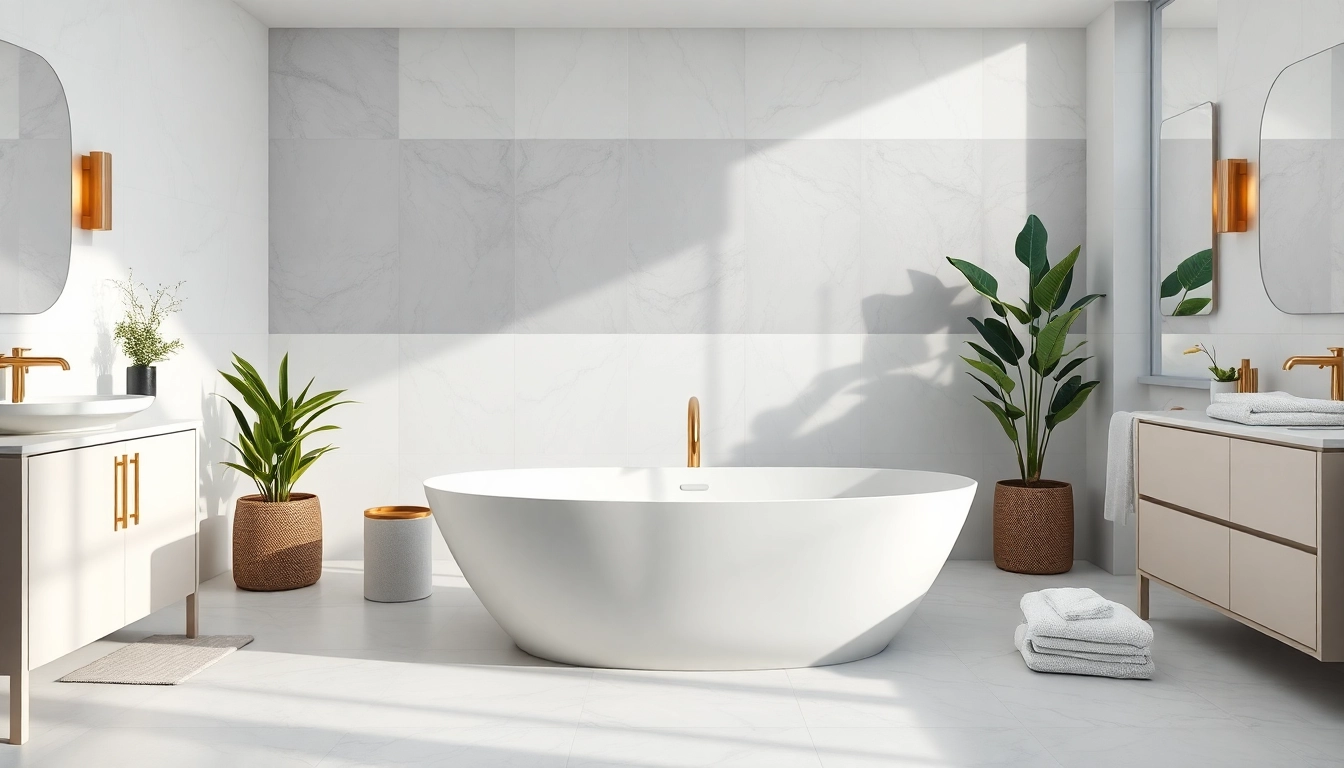
In bathrooms, tiles offer endless design opportunities. From floor to walling, they can create a spa-like atmosphere with soothing colors and textures. Tiling shower walls is not only aesthetically pleasing, but also practical, as tiles are impermeable to water and easy to maintain.
Using Tiles for Accent Walls
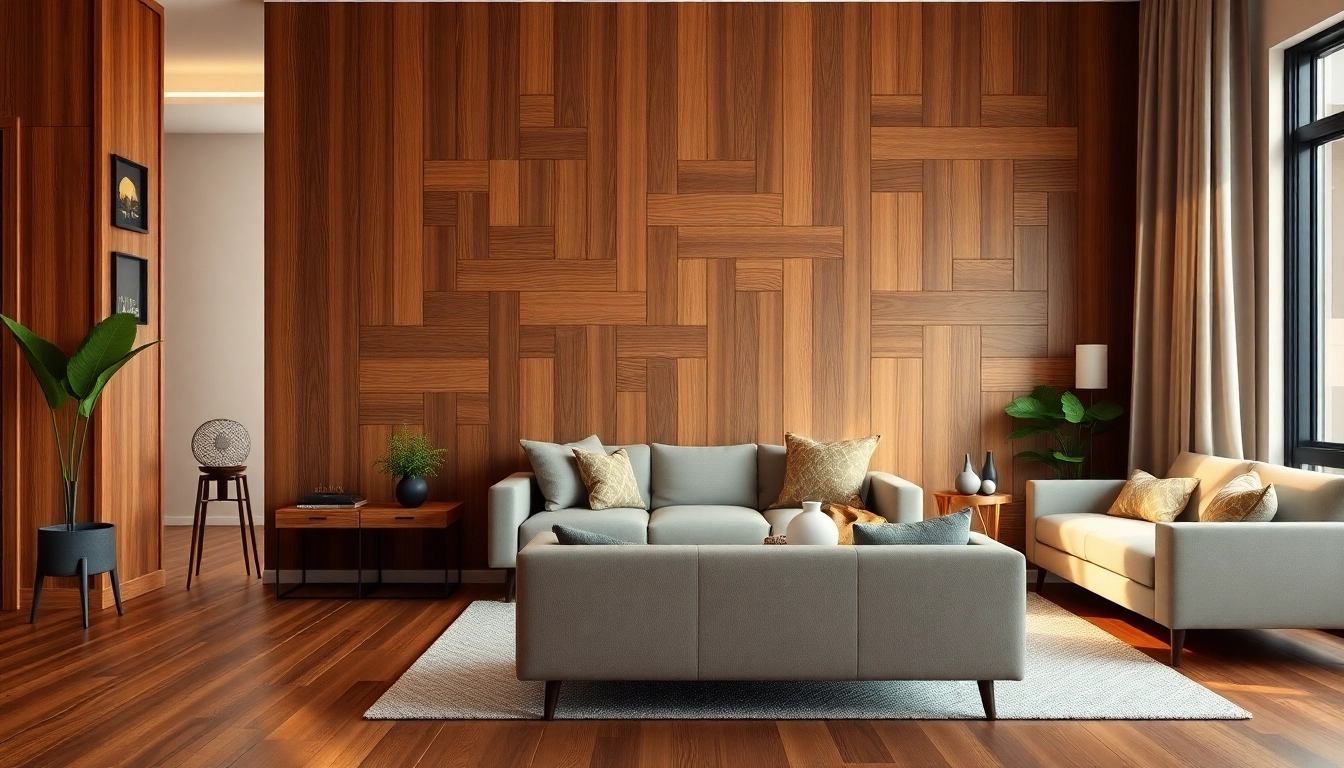
Accent walls are a trending feature that allows homeowners to showcase creativity without overwhelming an entire room. Tiles can be utilized to create stunning focal points, adding depth and texture. For example, stacking slate tiles in varying shades can create a striking wall in a living room or entryway. Likewise, a patterned ceramic or glass tile can develop a unique look above a fireplace or behind a bed as a headboard feature.
Incorporating different tile sizes and shapes can enhance the visual interest of an accent wall, allowing for unique artistic expression. Mosaics, for example, can be arranged to form intricate designs or patterns that draw the eye. The tactile and colorful nature of tiles introduces a dynamic element into any design scheme.
Innovative Outdoor Tile Ideas
Outdoor spaces can benefit significantly from the installation of tiles, offering both durability and beauty. Porcelain and stone tiles are particularly suited for patios, walkways, and pool decks due to their weather resistance. There is also a growing trend of using tiles for outdoor kitchens and grilling areas, where they can handle spills and heat while providing an attractive surface.
Another innovative use of tiles is in vertical garden designs, where tiles can be used to create a lush green wall with pockets for plants. This not only adds a beautiful aesthetic but also helps to improve the microclimate around outdoor spaces. Additionally, patterned tiles can create distinctive pathways that lead guests through gardens or outdoor living areas.
Choosing the Right Tile Colors
Color Psychology in Tile Selection
The colors of the tiles you choose can significantly influence the ambiance of a space. Color psychology plays an essential role; for instance, blue hues evoke feelings of tranquility and can be calming in bathrooms, while warm colors like orange and red can inspire energy and creativity in kitchens. Understanding how different colors affect mood can aid in selecting the perfect tiles to meet the desired atmosphere.
Additionally, neutrals work well for larger areas, creating a versatile backdrop for furniture and decor that can easily change without requiring a full renovation. Accent colors can be introduced through smaller tiles or accents, allowing for flexibility in future design choices.
Combining Patterns and Colors
Combining tiles with diverse patterns and colors is a powerful way to make spaces visually appealing. Layering textures through patterned tiles with solid colors is a popular method. For instance, using a bold patterned tile for a backsplash while incorporating solid, complementary tiles for flooring can create an intrigue that resonates throughout the home.
Geometric designs and mosaic layouts also offer creative opportunities for expression, enabling custom designs that reflect personal style. It’s essential to keep a balance so that the space does not become overwhelming; sometimes, less is more when it comes to intricate tile combinations.
Seasonal Trends in Tile Colors
Tile color trends can fluctuate with the seasons, making it important to stay updated if you’re looking to remodel or update your space. For instance, earthy tones and muted shades might dominate during the fall, while bright, airy colors become more prevalent during spring and summer. Opting for tiles in trending seasonal colors can refresh your living space and keep it feeling contemporary.
Furthermore, choosing timeless tile styles and colors that work across seasons is also a wise investment. While it’s perfectly acceptable to reflect the current trends, anchoring your design in staples will ensure longevity and timelessness.
Installation Tips for Success
Preparing Your Space for Tile
Before diving into tile installation, adequate preparation of the space is critical. Start by ensuring that the surface is clean, dry, and level, as contaminants or uneven spots can lead to tile damage later. If existing flooring needs removal, take extra care to remove all adhesive residue to allow for a proper seal.
It’s also important to lay out the tile design before installation. Use tiles to create a dry layout that allows for adjustments before applying adhesive. This pre-planning will help visualize the end product and identify any potential design flaws before beginning the installation process.
DIY vs. Hiring Professionals
Deciding between a DIY tile project versus hiring professionals often depends on budget, skills, and the complexity of the project. DIY installations can save money and lend personal touches when homeowners feel confident with the necessary tools and skills. Online tutorials and guidelines can support learning different techniques, especially for small, less complex areas.
Conversely, hiring professional installers may be the best choice for intricate designs, extensive areas, or unfamiliar materials. Professionals not only bring experience but also have the right tools to ensure a high-quality, durable installation. Weighing these factors is essential to making an informed decision.
How to Care for Your New Tiles
Once installed, caring for your tiles is vital to their longevity. Regular cleaning should involve sweeping or vacuuming to prevent dirt accumulation, followed by mopping with appropriate tile-safe cleaners. For natural stone, additional sealing may be recommended to protect against stains.
Any grout lines should also be regularly cleaned, as they can accumulate dirt more readily. Grout sealants can help to keep lines clean and extend the life of your grout, which is critical for both functionality and aesthetics. Following these care tips will help keep your tile surfaces looking new and inviting.
Frequently Asked Questions
What is the best type of tile for bathrooms?
Porcelain tiles are highly recommended for bathrooms due to their water resistance and durability. They can withstand moisture better than most options and are less likely to stain.
Can tiles be installed over existing flooring?
Yes, tiles can often be installed over existing flooring, provided the surface is clean, smooth, and structurally sound. Always check local codes and guidelines for proper installation.
How do I prevent tile cracks?
To prevent tile cracks, ensure proper installation with a level surface. Use quality materials and adhesives and allow for adequate acclimation time prior to installation.
Are tiles environmentally friendly?
Many tiles, especially those made from natural materials, can be environmentally friendly. Look for certification policies, as recycled content and sustainable production methods are now common.
Is it difficult to remove tile?
Removing tile can be labor-intensive and difficult depending on the installation type. A professional may be necessary for more complex setups to avoid damage to underlying structures.