Understanding Fly Fishing for Bass
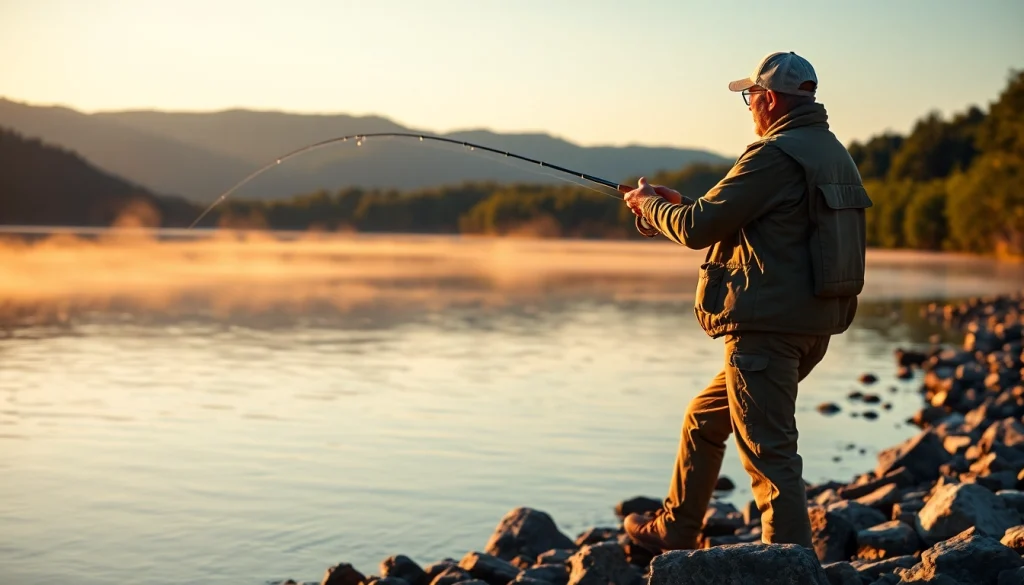
Fly fishing for bass has gained significant popularity among anglers, appreciated for its unique techniques and rewarding experiences. Unlike traditional spin fishing, fly fishing relies on the use of artificial flies, which mimic the natural prey of the fish. With the proper knowledge and tactics, you can enjoy successful outings on the water. In this guide, we’ll delve into the essentials of Fly fishing for bass, covering everything from the right gear to effective techniques and seasonal strategies.
What is Fly Fishing?
Fly fishing is an angling method that uses a lightweight lure called a “fly,” which is cast using a reel and rod specifically designed for this purpose. The fly mimics various food sources and is generally made of feathers, fur, and synthetic materials. Unlike spin fishing, where weight helps cast the lure, in fly fishing, the weight of the line is what propels the fly. This technique offers a different level of engagement with the water and its ecosystem, allowing anglers to connect more intimately with nature.
The Appeal of Bass Fishing
Bass are among the most sought-after sport fish in North America. Their abundance, aggressive nature, and willingness to strike at artificial lures make them a favorite target for anglers. They not only provide a challenging catch but also deliver significant action, making them a thrilling option for fly fishing enthusiasts. Furthermore, bass are widely distributed across lakes, rivers, and ponds, ensuring ample opportunities to fish, regardless of where you might be located.
Types of Bass: Largemouth and Smallmouth
The two main types of bass targeted in fly fishing are the largemouth bass and smallmouth bass, each offering different thrills and challenges. Largemouth bass, recognized for their large mouths and robust bodies, tend to inhabit warmer waters and frequent weedy areas. In contrast, smallmouth bass prefer cooler, clearer waters, often found in streams and rocky habitats. Understanding the differences between these species is vital for employing the right strategies and techniques in your fly fishing efforts.
Choosing the Right Gear for Fly Fishing for Bass
Essential Fly Fishing Rod and Reel Setup
Choosing the right rod and reel is critical when pursuing bass. Most anglers opt for rods in the 6 to 8-weight range, which provides ample backbone for casting larger flies and battling strong fish. A medium-fast action rod is ideal, allowing for both delicate presentations and powerful casts.
As for reels, a large arbor design is recommended; it aids in quick line retrieval and reduces memory issues with the fly line. Look for a reel that is matched to the weight of your rod and offers a smooth drag system, which can make all the difference when reeling in a stubborn bass.
Picking the Best Flies for Bass
The choice of flies in bass fishing can heavily influence the success of your outing. Poppers, streamers, and crayfish imitations are among the top choices. Poppers create surface disturbance, enticing bass to strike, while streamers mimic baitfish and can be presented at various depths. Crayfish imitations are extremely effective, especially in rocky environments where these crustaceans are abundant.
Another strategy is to match your fly selection to the natural forage available in the specific water body you’re fishing. Observation and experimentation play essential roles in determining the most effective flies for bass in various settings.
Understanding Lines, Leaders, and Tippets
Your fly line is the lifeline of your setup, with options that include floating, sinking, and intermediate lines, depending on your target area. For bass fishing, a weight-forward floating line works well in many situations. Leaders and tippets also play a key role; a fluorocarbon leader is ideal for bass as it’s less visible in the water, impervious to abrasion, and has a great sensitivity that helps detect strikes.
Typically, your leader should be about 7.5 to 9 feet long, tapering down to a tippet that’s rated for the size of the fly you’re using. The 60/20/20 rule applies here, with the leader comprised of 60% butt section, 20% midsection, and 20% tippet section, providing optimal turnover and presentation of the fly.
Techniques for Successful Fly Fishing for Bass
Effective Casting Techniques
Mastering your casting technique is fundamental to success in fly fishing. Techniques like roll casts, double hauls, and false casts enhance distance and accuracy. A solid roll cast can be particularly beneficial in tight or brushy spots where a backcast isn’t feasible. Practicing these casts until they become second nature will greatly improve your overall fly fishing experience.
When casting for bass, focus on precision over distance; placing your fly in the strike zone is essential. In many cases, bass will strike close to cover, so aim to deliver your fly with finesse—this often means casting to specific spots instead of simply aiming for the open water.
Retrieving Strategies to Attract Bass
Your retrieval technique can significantly impact the effectiveness of your fly. Varying your retrieve—steady, jerky, or twitchy—can imitate the erratic behavior of prey. Experiment with different speeds and patterns until you find what entices the bass to strike. Additionally, when using poppers, using pauses can create an enticing moment of stillness that often triggers aggressive strikes from bass.
Many anglers find success using strip sets when feeling a strike, as this helps to drive the hook home more effectively than a traditional reel set. The right retrieve combined with the appropriate technique for setting the hook can dramatically increase your catch rate.
Reading Water: Where to Find Bass
Understanding how to read the water is an essential skill in fly fishing. Bass are predatory fish that prefer structure and cover, often hiding near submerged vegetation, rocks, or fallen trees. During warmer months, focus on warmer shallow waters, and during colder months, search for deeper holes or downed trees.
Pay attention to water temperature and current as well; bass are more actively feeding in waters between 65°F and 75°F. Morning and evening hours tend to be the most productive, as bass are more likely to be in the shallows during these times.
Seasonal Considerations and Best Practices
Spring and Summer Fishing Techniques
Spring is a prime time for bass fishing as fish become more active. As the water warms, bass move into shallows for spawning, making them more accessible to fly anglers. During this time, focusing your efforts on shallow flats and areas with heavy vegetation can yield excellent results. Use poppers and topwater flies during warmer times of the day for exciting action.
In summer, bass can become more temperamental as the heat intensifies. Early mornings or late afternoons often offer the best fishing conditions. As the heat rises, consider fishing deeper water with streamers to reach bass holding below the surface.
Fall Strategies for Bass Fishing
As temperatures cool in the fall, bass will begin to feed heavily in preparation for winter. During this time, targeting areas near structure often results in active bites. Opt for larger flies that resemble baitfish or crayfish free to flow with the current to attract attention. As the water cools further, consider switching tactics to include a slower retrieve, allowing bass to easily track your offering.
Winter Fly Fishing: Is It Worth It?
While winter is generally not considered prime time for bass fishing, it can still be effective in certain conditions. Target areas near warm water inflows or locations where bass school together for winter. Focus on using slower, deeper presentations. The key is patience, as bites may come infrequently, but a few can be quite rewarding during this quiet season.
FAQs about Fly Fishing for Bass
Is fly fishing effective for bass?
Yes! Larger flies often attract big bass, while smaller ones catch smaller fish. Experimentation is key to identifying the right approach.
What is the best rod weight for bass?
A 6 to 8-weight rod is ideal for targeting bass, providing enough backbone to handle larger fish without sacrificing casting ability.
Where are the best locations for bass fishing?
Look for areas with structure like rocks, weeds, or fallen trees, preferably near moving water where bass tend to hide and feed.
What flies should I use for bass fishing?
Top choices include poppers, streamers, and crayfish imitations, effective in attracting bass in various habitats and conditions.
Can I fly fish for bass year-round?
Yes, but the prime fishing times are spring through early fall when bass are most active in feeding and spawning behaviors.