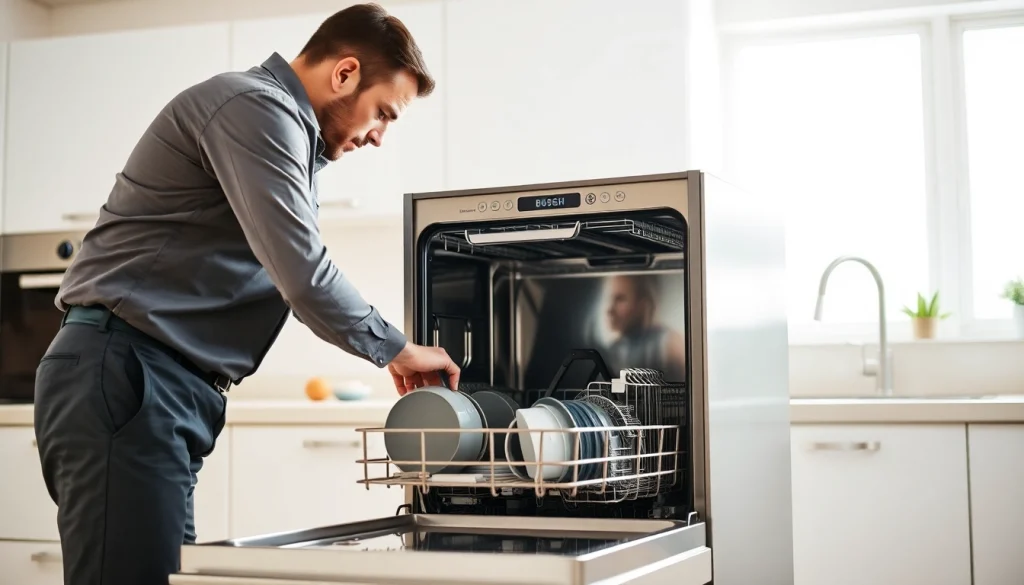
Understanding Common BOSCH Dishwasher Issues
1. Identifying Common Signs of Malfunction
Owning a Bosch dishwasher can significantly simplify household chores, but like any appliance, they are susceptible to malfunctions over time. Being able to detect issues early can save you from costly repairs and headaches. Common signs of malfunction include:
- Unusual noises during operation, such as grinding or buzzing.
- Water pooling inside the dishwasher after a cycle.
- Dishes come out dirty even after a complete wash cycle.
- Leaking water underneath the machine.
- Error messages on the display panel.
These symptoms might be straightforward to identify, but understanding their root causes can lead you to effective solutions. For instance, unusual noises could indicate a problem with the motor or the wash impeller. Observing these signs early on is key to extending the life of your appliance.
2. Troubleshooting Basic Problems
Many Bosch dishwasher issues can be addressed with basic troubleshooting techniques, particularly for common problems. Here are some things you can check:
- Water Supply: Ensure the water supply valve is open and that the inlet filter is not clogged.
- Drainage Issues: If water remains after a cycle, check the drain hose for kinks or obstructions.
- Dish Placement: Make sure that dishes are not blocking spray arms from spinning freely.
- Regular Maintenance: Use dishwasher cleaner and check seals are intact to maintain optimal performance.
Implementing these troubleshooting steps can resolve many minor problems without the need for professional intervention. However, always refer to the user manual for specific troubleshooting tips tailored to your model.
3. When to Seek Professional BOSCH Dishwasher Repair
While basic problems can often be resolved at home, certain issues require professional attention. Signs that indicate it’s time to call in a technician include:
- Persistent error codes that will not reset.
- Electrical issues, such as dimming lights when the dishwasher is in use.
- Burning smells or visible electrical damage.
- Frequent breakdowns after minor repairs.
In such cases, investing in a BOSCH dishwasher repair can save you from further issues and restore your appliance’s function.
Step-by-Step Guide to BOSCH Dishwasher Repair
1. Gathering the Right Tools and Materials
Before you embark on any repair, ensure you have the necessary tools and materials. Common tools include:
- Screwdrivers (flathead and Phillips)
- Pliers
- Adjustable wrench
- Replacement parts (specific to the issue)
- Cleaning supplies (for filters and seals)
Having your tools at hand not only makes the process smoother but also minimizes the risk of accidents caused by rushing to find them in the middle of a repair.
2. Safety Precautions Before Repairing
Safety should always be your priority when repairing any appliance. Here are several precautions to observe:
- Unplug the dishwasher from the electrical outlet to avoid electric shock.
- Turn off the water supply to prevent leaks and spills during repairs.
- Use gloves to protect your hands from sharp edges and chemical cleaners.
- Ensure adequate ventilation if using any cleaning agents or lubricants.
By taking these precautions, you reduce the risk of injury and ensure a smoother repair process.
3. Detailed Repair Procedures
Each repair will differ based on the issue; however, common procedures include:
- Replacing the Door Seal: Remove the old seal, clean the track, and apply the new seal by ensuring it fits snugly without gaps.
- Fixing Drainage Issues: Check and clear any clogs in the filter and drain hose, then reassemble correctly.
- Replacing the Heating Element: Disconnect power, detach the cover and element, then replace with a new one, reconnecting all properly.
Consult your user manual or a reliable online guide through each step, keeping in mind that careful handling is vital to prevent further damage.
Routine Maintenance for BOSCH Dishwashers
1. Daily and Weekly Maintenance Tips
Establishing a maintenance routine is key to keeping your Bosch dishwasher in optimal condition. Daily tips include:
- Wipe down the interior and exterior surfaces to prevent stains.
- Empty the filter of food debris after each use.
- Run a vinegar rinse once a month to combat odors and calcium buildup.
Weekly, ensure that you check the spray arms for clogs and that the door seals are clean and free of debris. This proactive approach can extend the lifespan of your appliance.
2. Long-Term Care Considerations
In addition to routine maintenance, consider the long-term care of your dishwasher. This includes:
- Scheduling professional cleans and check-ups every 12-18 months.
- Regularly inspecting the dishwasher installation for proper drainage and sealing.
- Replacing worn components such as hoses and seals proactively.
Long-term care helps prevent major breakdowns by catching potential issues early on.
3. Importance of Regular Servicing
Regular servicing not only prevents malfunctions but also improves efficiency. A well-maintained dishwasher can:
- Reduce water and energy consumption.
- Improve cleaning performance by ensuring all parts function properly.
- Increase the lifespan of the appliance significantly.
Investing in regular servicing is not just preventative; it’s a cost-efficient practice that can save you money over time.
Costs Associated with BOSCH Dishwasher Repair
1. Typical Repair Costs Explained
The cost for repairing a Bosch dishwasher varies depending on several factors, including the issue’s complexity and whether professional help is needed. Here’s a breakdown of typical costs:
- Minor repairs (e.g., replacing filters or seals): $100 – $200
- Moderate issues (e.g., mechanical problems): $200 – $400
- Major repairs (e.g., heating element or motor replacement): $400+
Budgeting for these repairs can significantly alleviate the burden when problems arise.
2. Budgeting for Appliance Repairs
When setting a budget for appliance repairs, consider the following:
- Set aside a fund specifically for appliance repairs based on average repair costs.
- Keep track of previous repair bills to better anticipate future expenses.
- Consider service contracts for major home appliances as a preventative measure.
By budgeting effectively, you can avoid unexpected financial strain during necessary repairs.
3. Cost Comparison: Repair vs. Replacement
Deciding between repairing or replacing your Bosch dishwasher depends on several factors, such as age, repair costs, and efficiency. Here’s a general guideline:
- If the dishwasher is under five years old, repairs generally make more sense.
- For dishwashers 5-10 years old, consider repair costs; if they exceed 50% of a new model, replacement may be wise.
- For appliances older than ten years, purchasing a new, energy-efficient model is often the best option, as older models consume more utility resources.
Weighing these factors helps ensure a sound investment in your home appliance strategy.
Frequently Asked Questions About BOSCH Dishwasher Repair
1. Is it worth repairing a Bosch dishwasher?
If your dishwasher is 4-7 years old and out of warranty, repairs often are worth it. Typical repair costs range from $100 to $200. Consider replacement if the costs approach 50% of a new unit.
2. What are the most common Bosch dishwasher problems?
Common issues include poor drainage, failure to fill, unusual noises, and inconsistent cleaning. These can often be resolved with basic troubleshooting before professional help is needed.
3. How often should I service my Bosch dishwasher?
It’s advisable to service your dishwasher every 12-18 months. Regular servicing can prevent significant issues and improve efficiency over time.
4. Can I fix my Bosch dishwasher myself?
Yes, many minor issues can be fixed using basic tools and knowledge. Always consult your user manual for specific instructions and safety precautions.
5. How do I find a qualified repair technician?
Seek out technicians with certifications in Bosch appliances. Reviews, referrals, and warranty service providers can offer reliable options for professional help.